
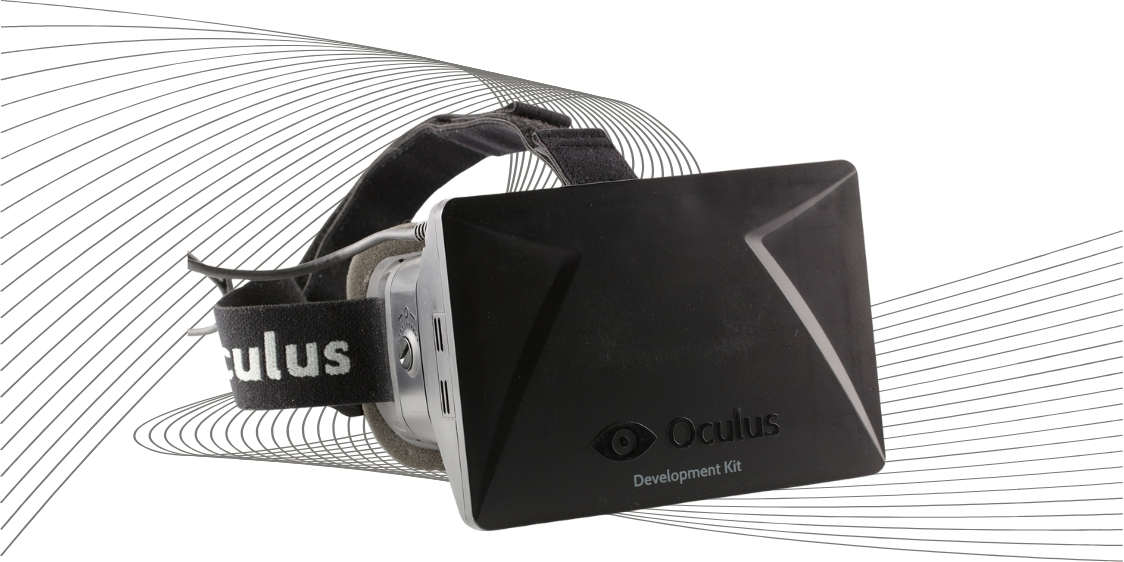
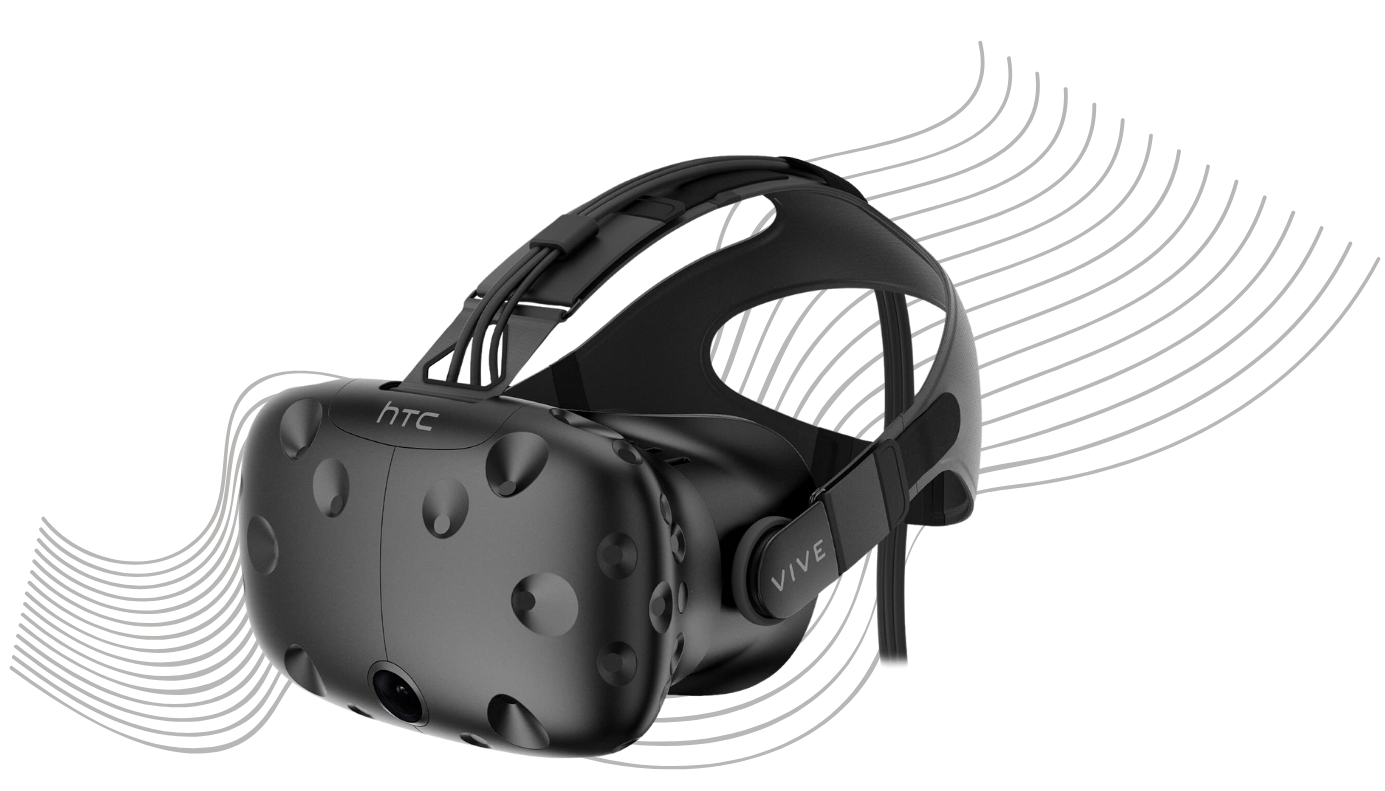
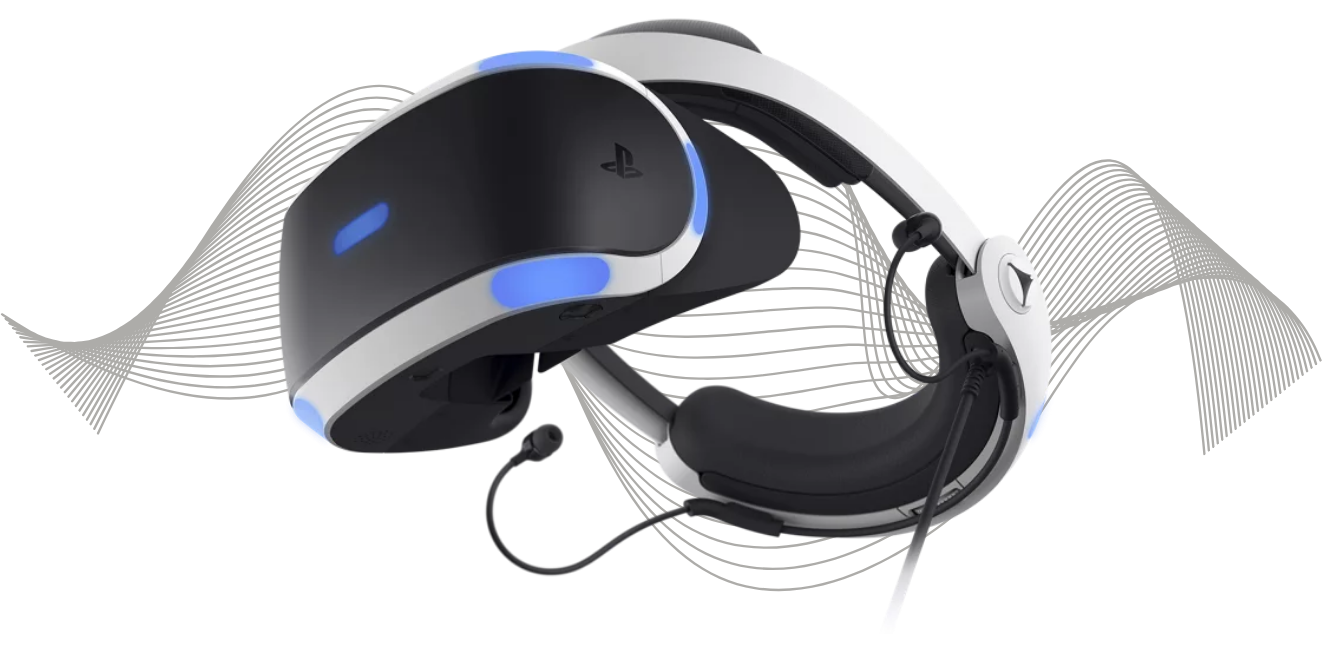
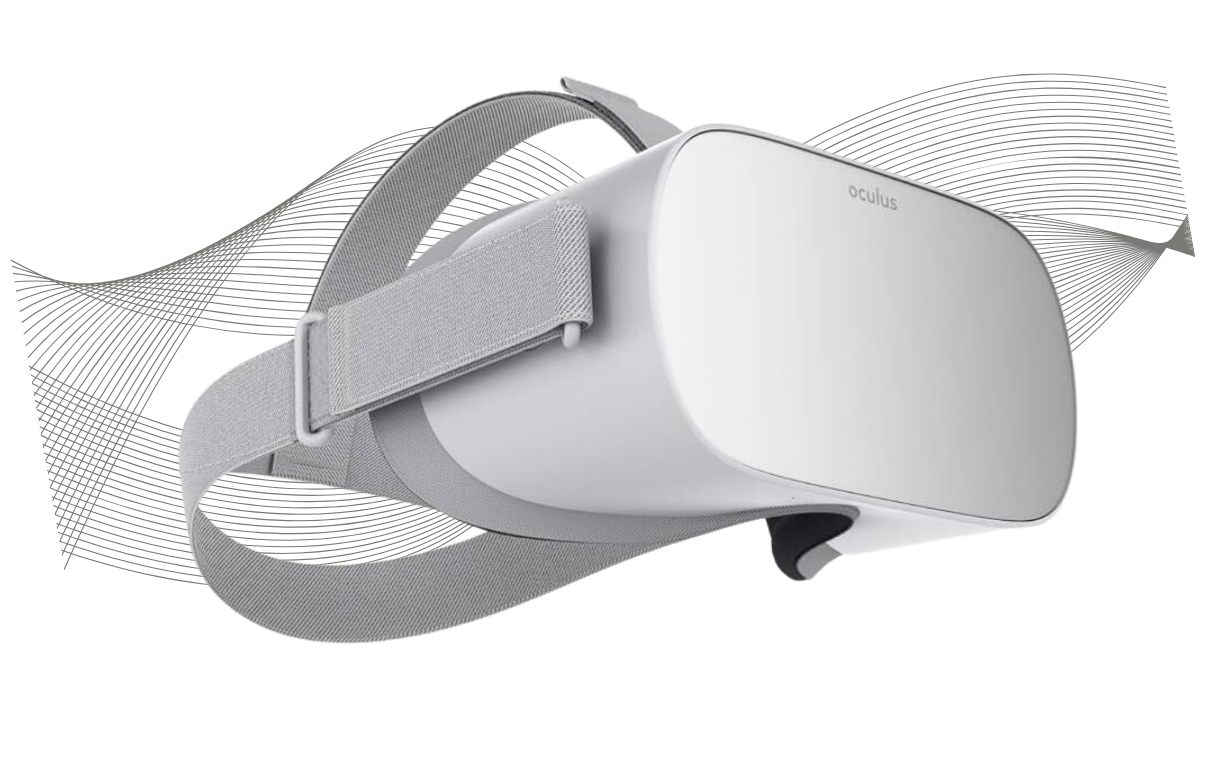
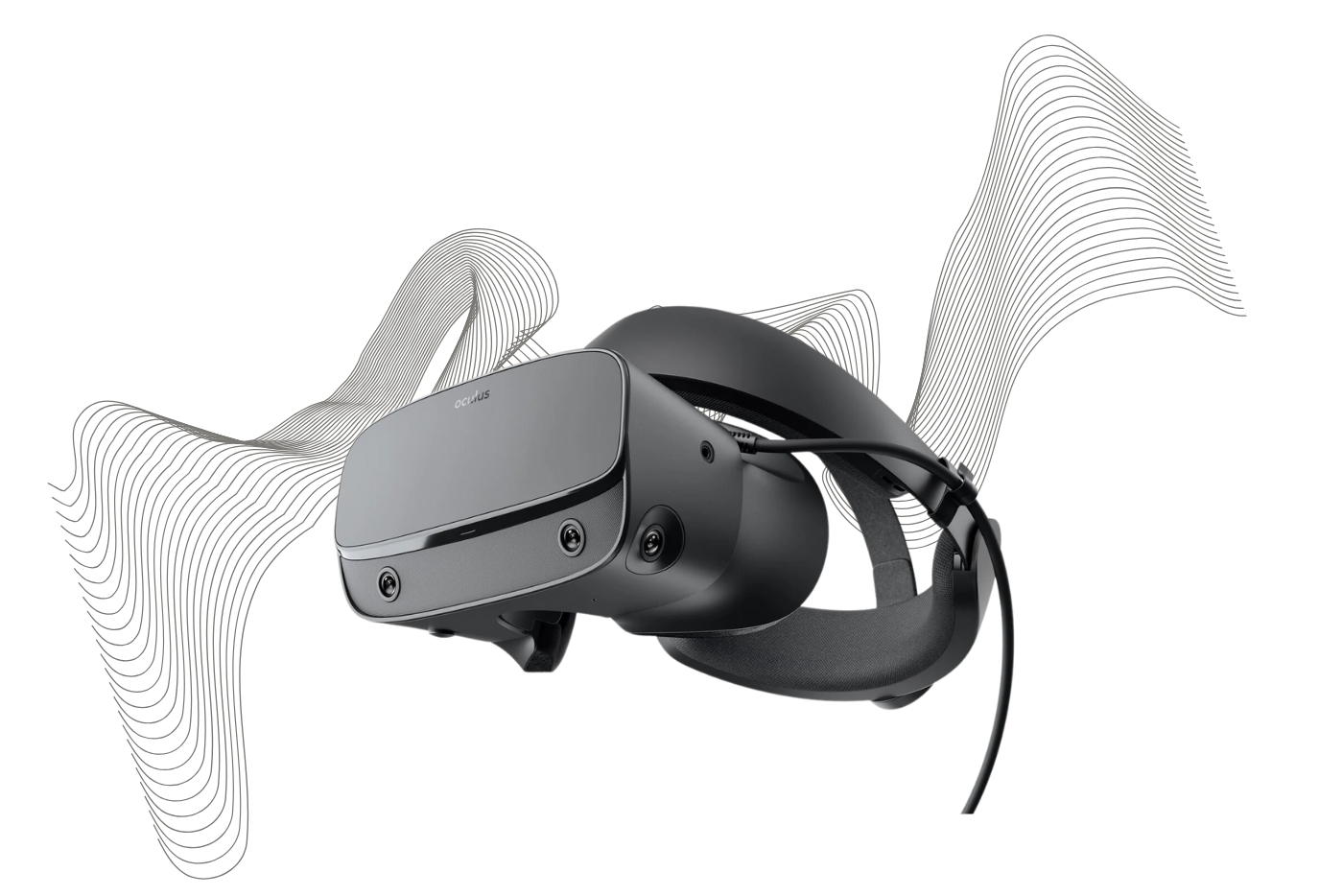
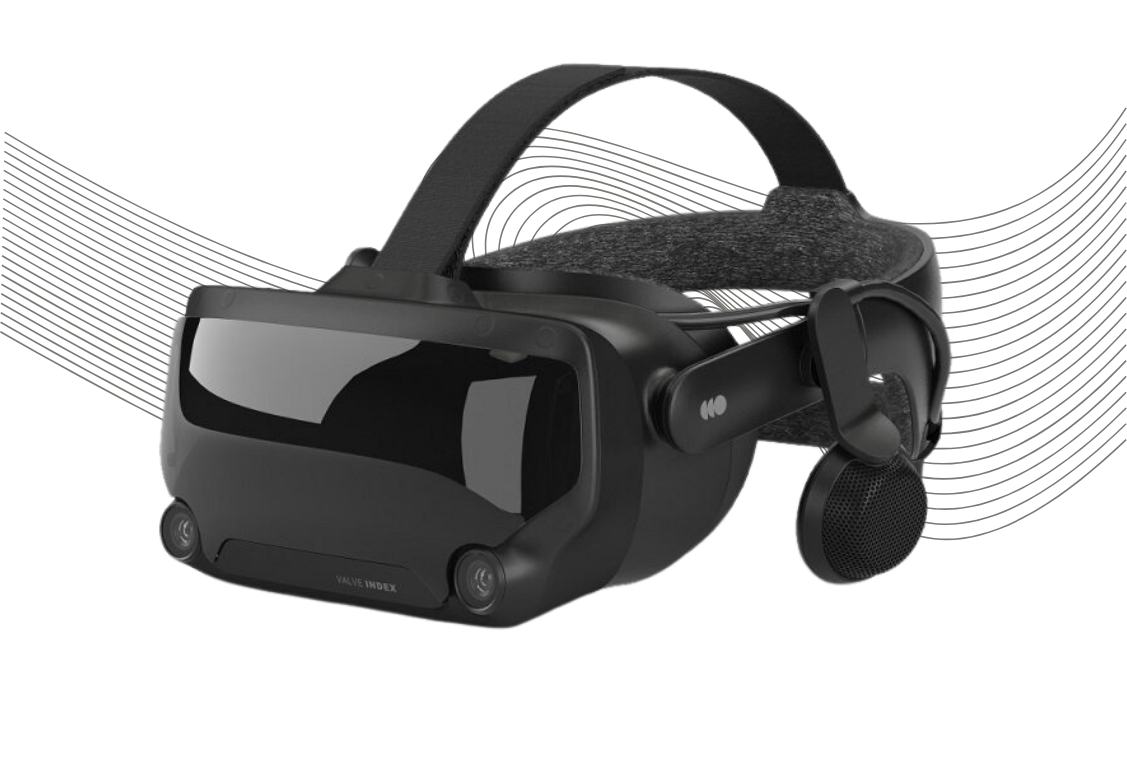
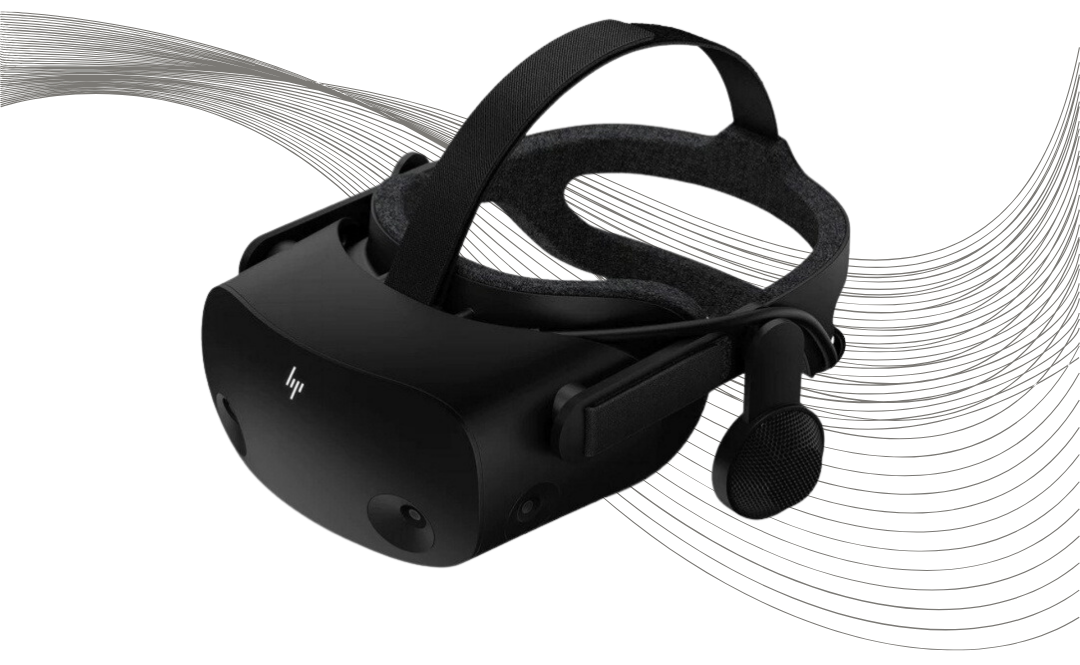
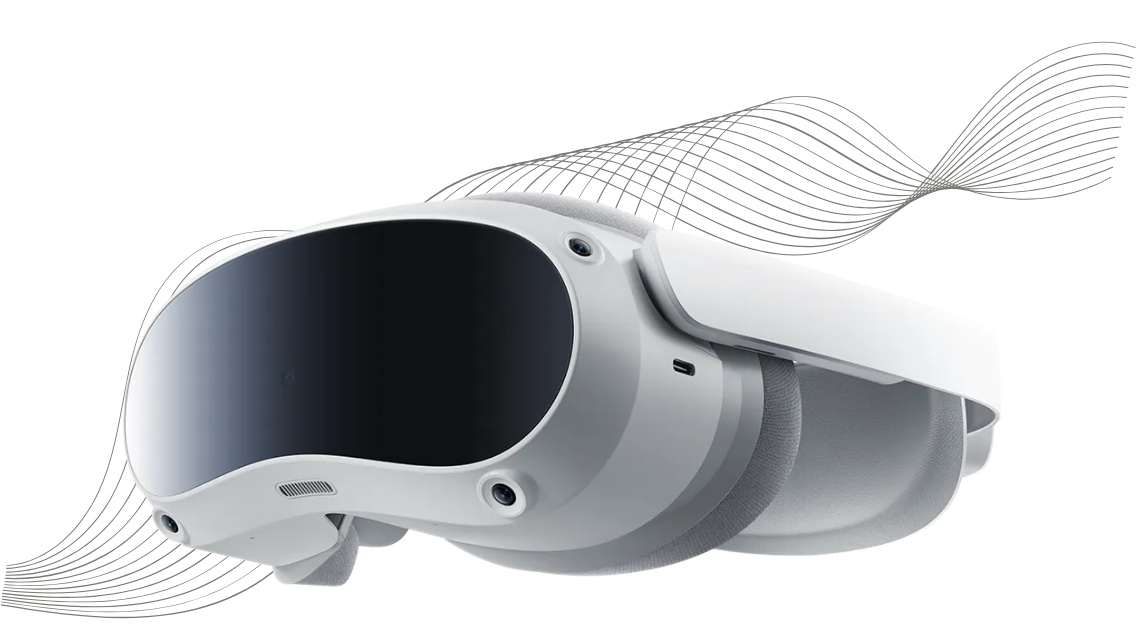
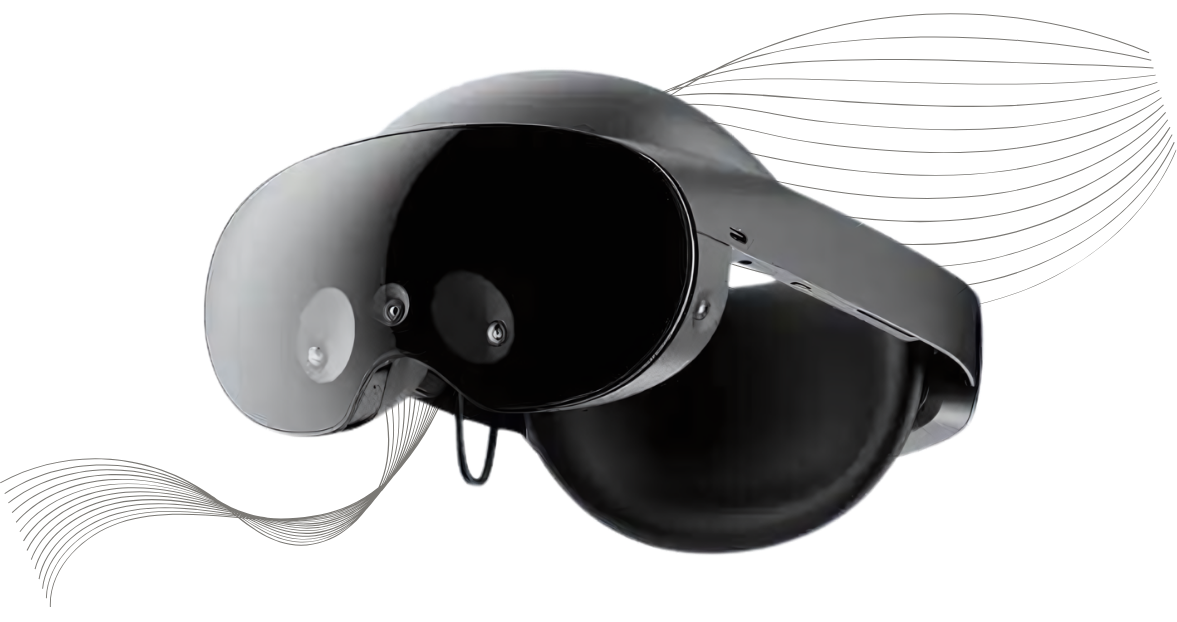
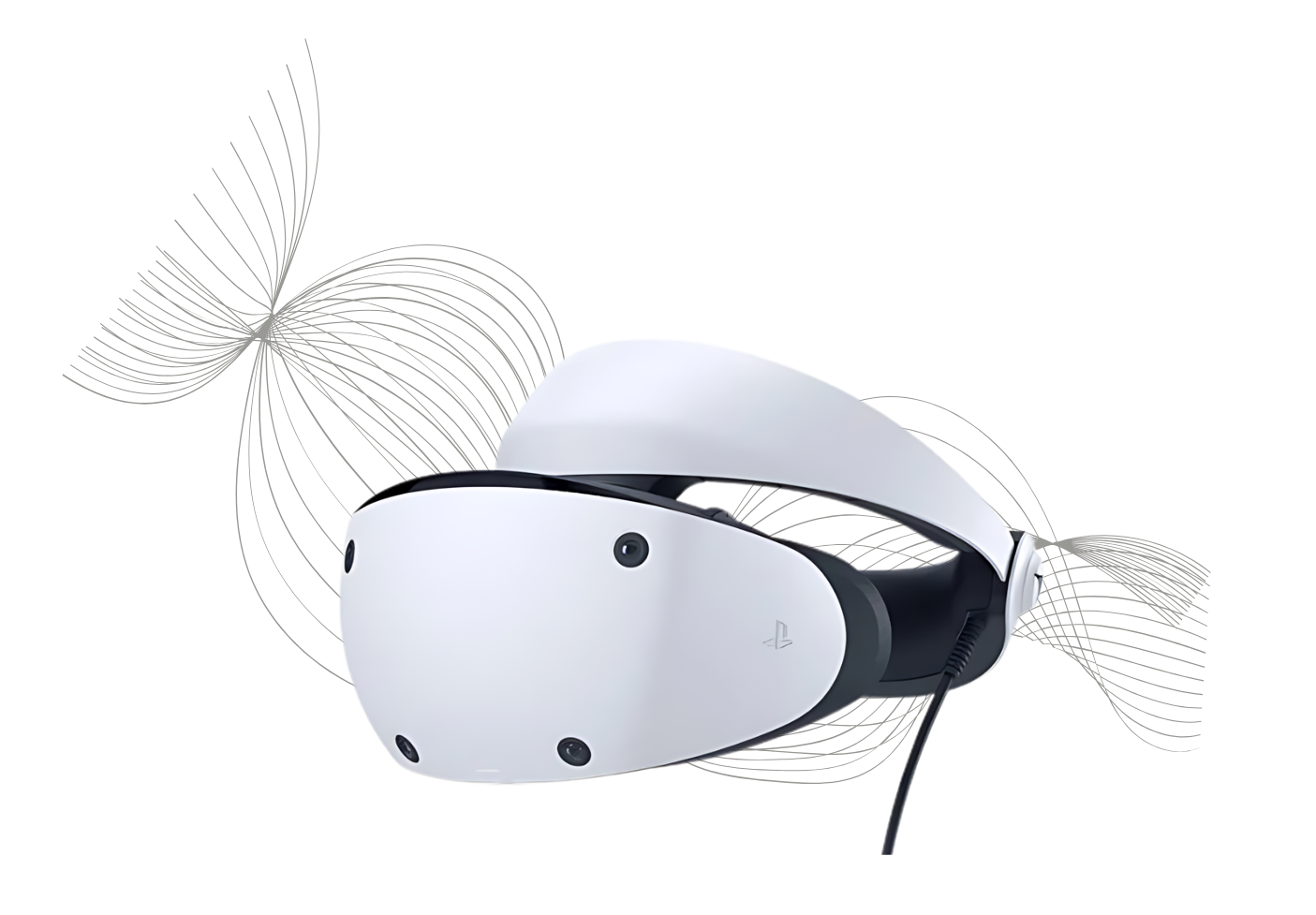
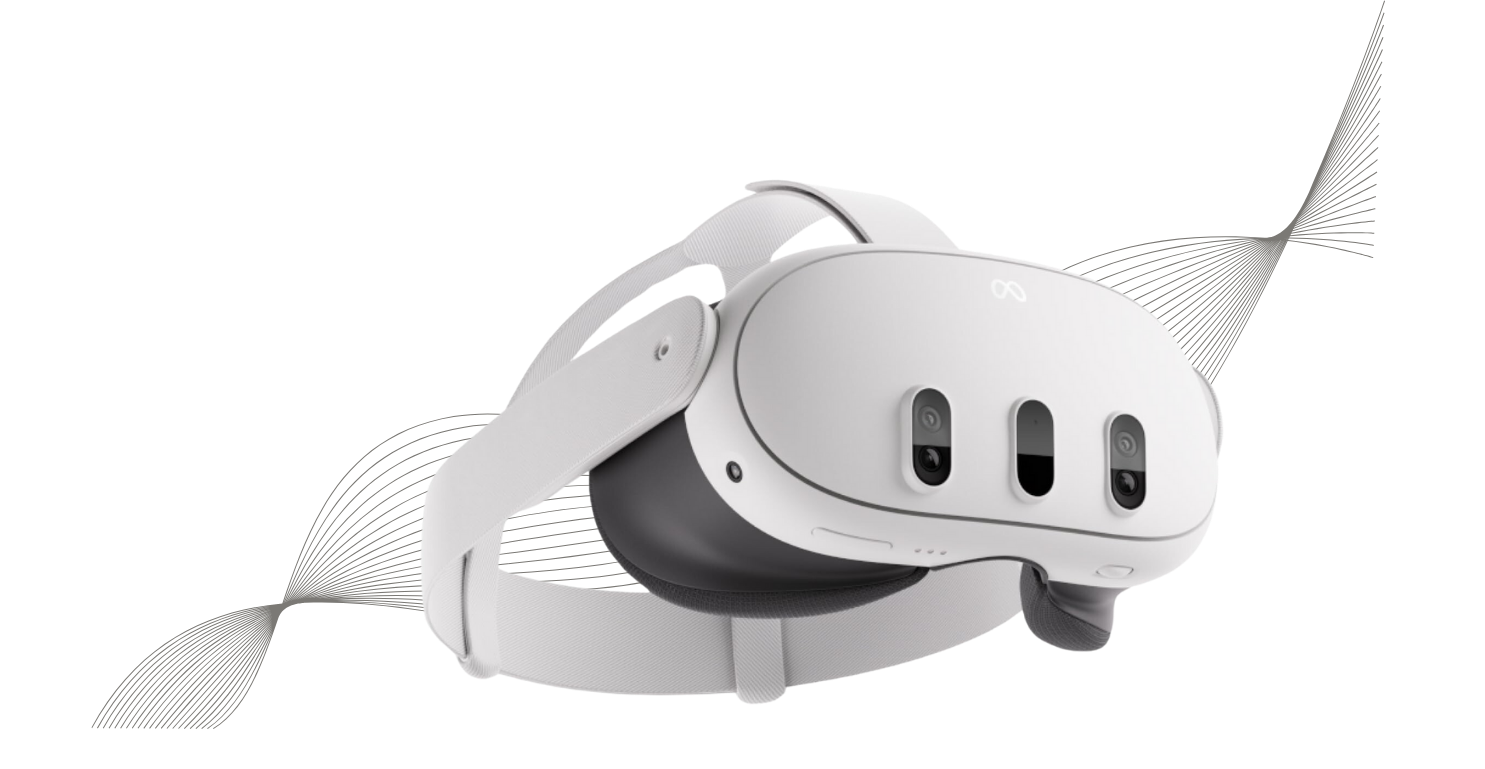
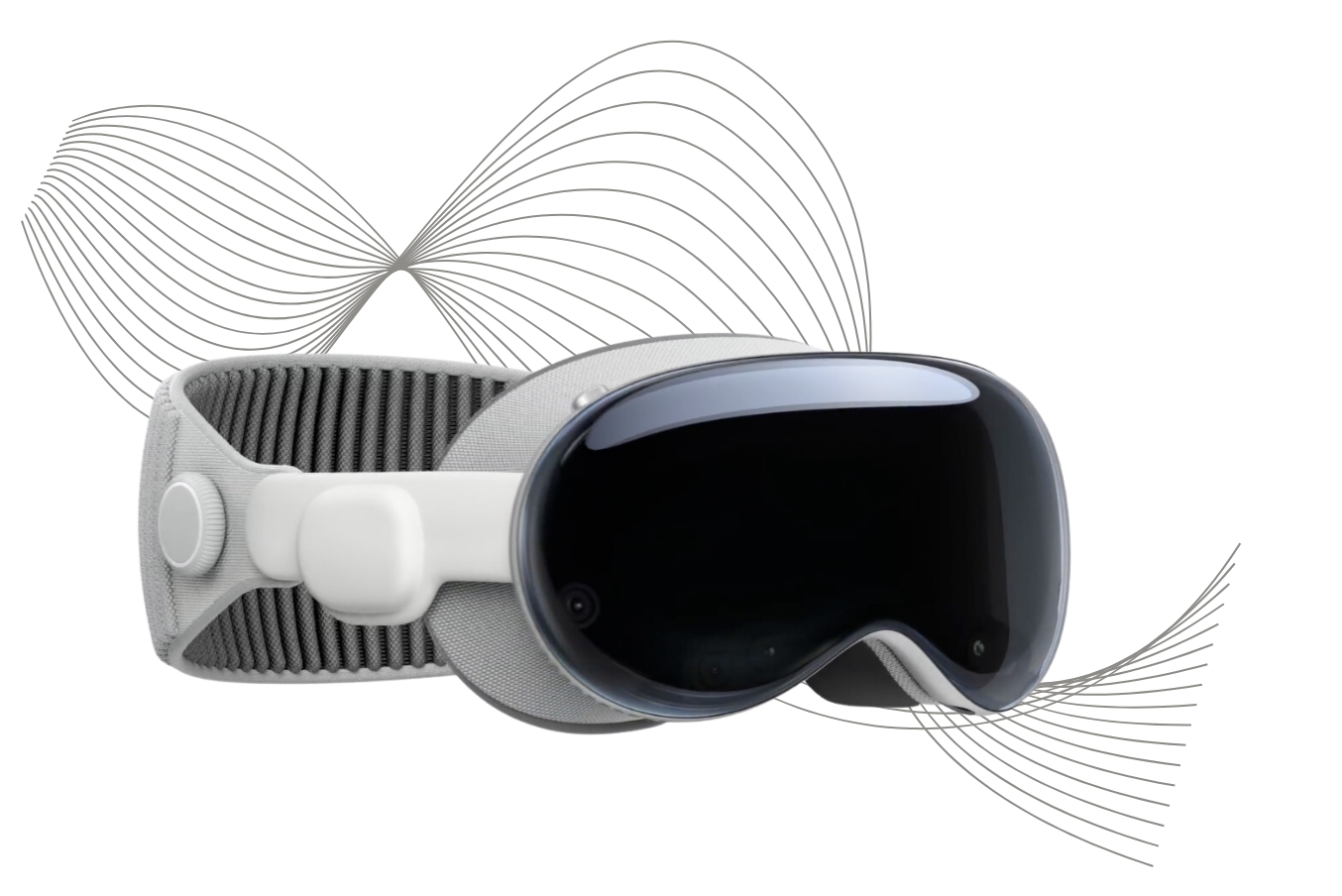
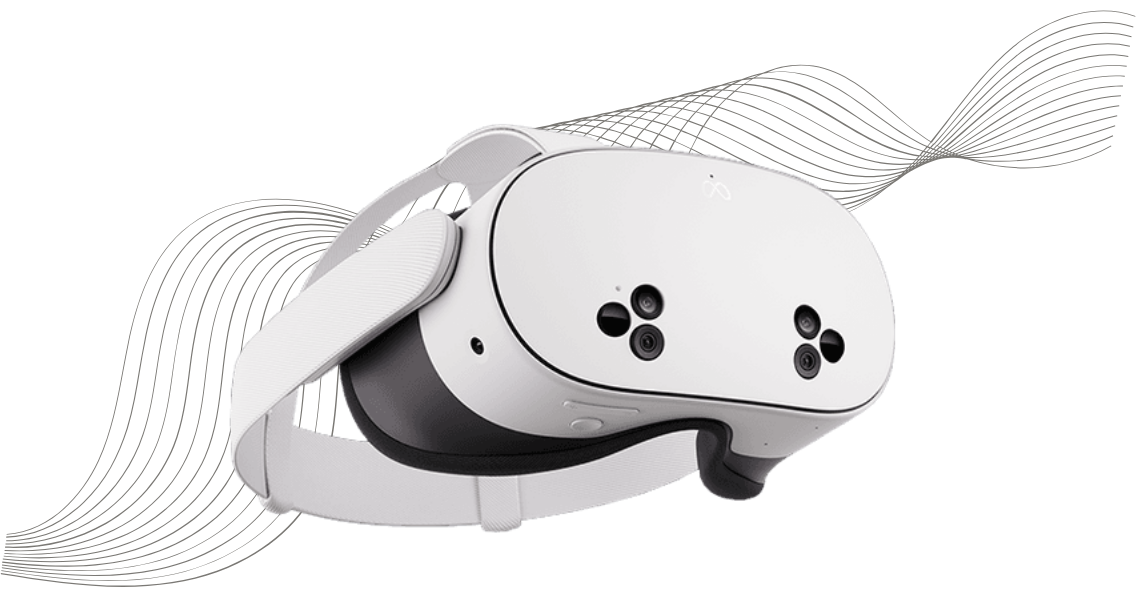
This article from Schell Games provides a chronological overview of the evolution of virtual reality hardware, specifically focusing on the pivotal devices released from the 2010s to the present day. The content is designed for technology historians, hardware enthusiasts, and developers who want to understand the lineage of modern head-mounted displays (HMDs). By documenting the transition from tethered, PC-reliant systems to standalone, high-fidelity units, the post illustrates the rapid pace of innovation in optics, tracking, and mobile processing. The significance of this timeline lies in its ability to contextualize current industry standards within a decade of trial and error. It covers landmark releases such as the original Oculus Rift and PlayStation VR, extending to modern breakthroughs like the Meta Quest 3 and Apple Vision Pro. This historical perspective matters because it highlights the industry’s shift toward accessibility and user comfort, demonstrating how VR has moved from a niche enthusiast peripheral to a multi-purpose medium encompassing gaming, productivity, and mixed reality.
- Evolution of VR Hardware
- Standalone vs. Tethered Headsets
- Tracking Technology
- Mixed Reality (MR) and Passthrough
- Spatial Computing
- HMD Form Factor
- What was the first major consumer VR headset of the modern era?
- The Oculus Rift (CV1), released in 2016, is widely considered the device that launched the modern consumer VR market, followed closely by the HTC Vive and PlayStation VR.
- What is the difference between VR and MR in modern headsets?
- Virtual Reality (VR) fully immerses the user in a digital environment. Mixed Reality (MR) uses external cameras to "pass through" a view of the real world, overlaying digital objects onto the physical space.
- How has tracking changed since the early 2010s?
- Early headsets often required external base stations or cameras to track movement. Modern headsets primarily use "inside-out" tracking, where cameras built into the headset itself track the surrounding environment and controllers.
- Why is the Meta Quest series significant in this timeline?
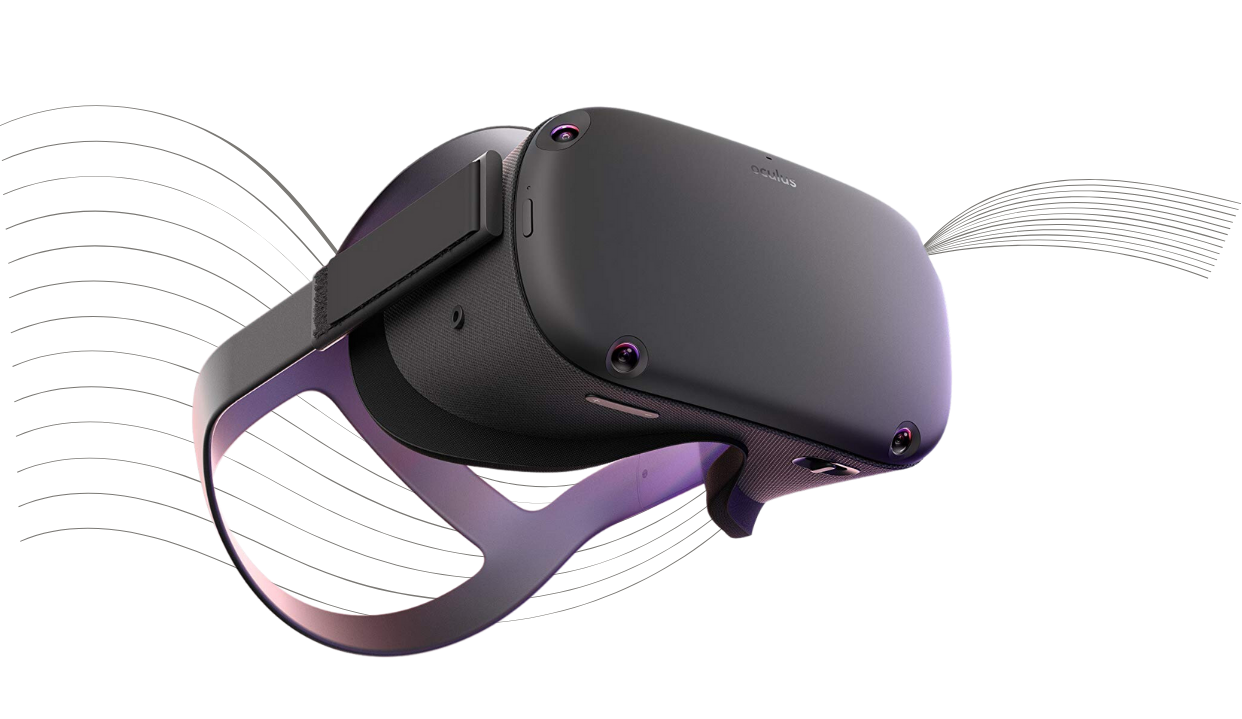
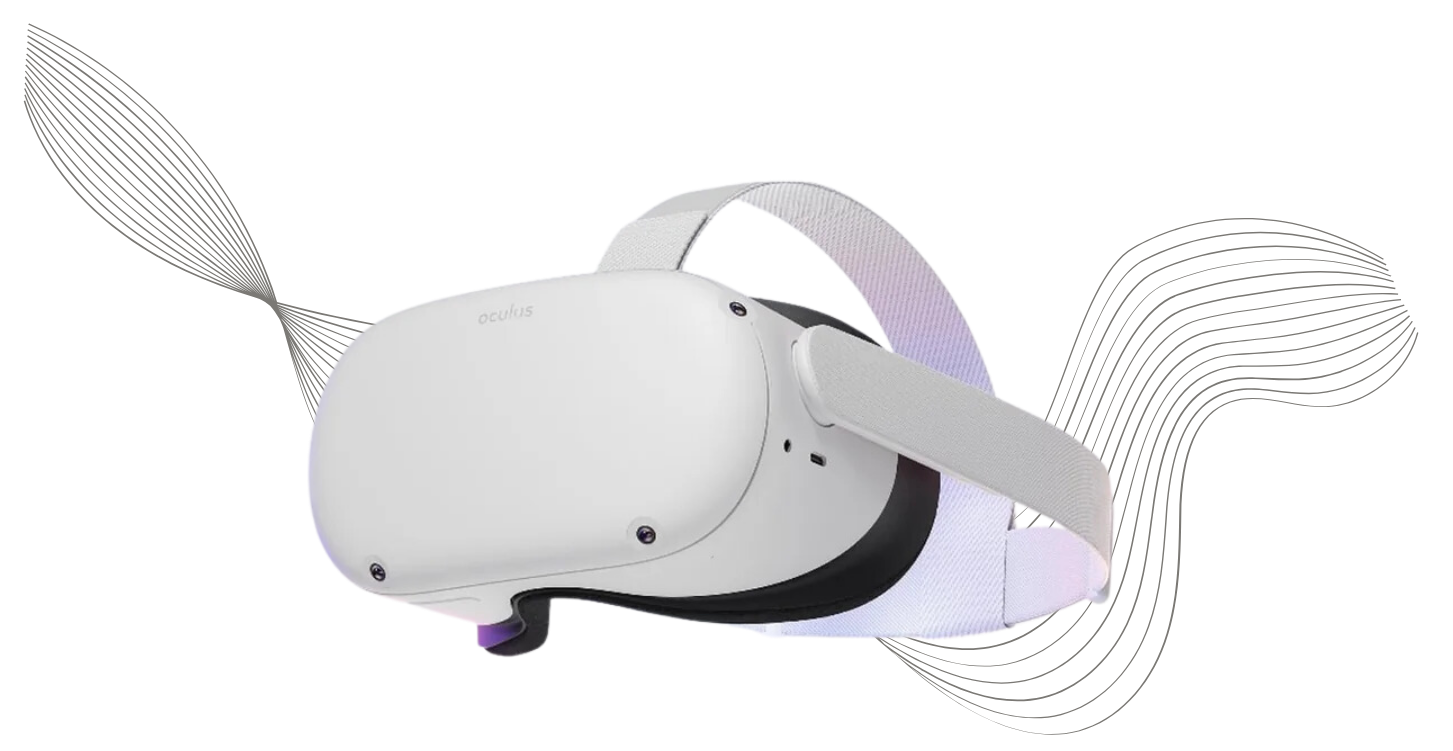
- The Meta Quest (formerly Oculus Quest) series was pivotal because it popularized standalone VR, removing the need for expensive gaming PCs or tangled cables, which significantly lowered the barrier to entry for consumers.