
Mission: Deep Discovery
Project Type
Client ProjectClient/Partner
SeaWorld Parks and EntertainmentGenre
Educational, AdventureGame Engine
UnityPlatform
Location-basedTarget Audience
FamilyOverview
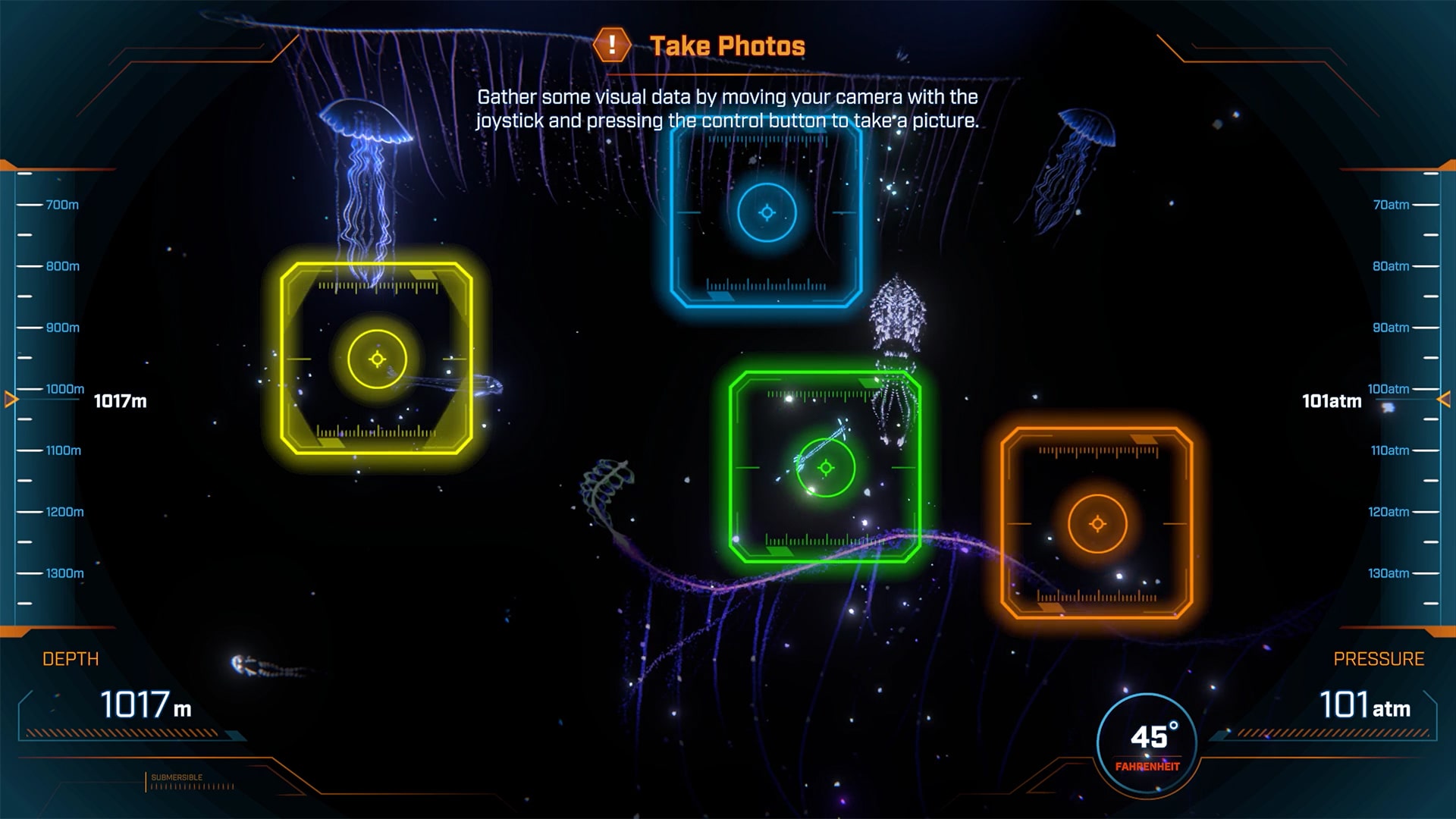
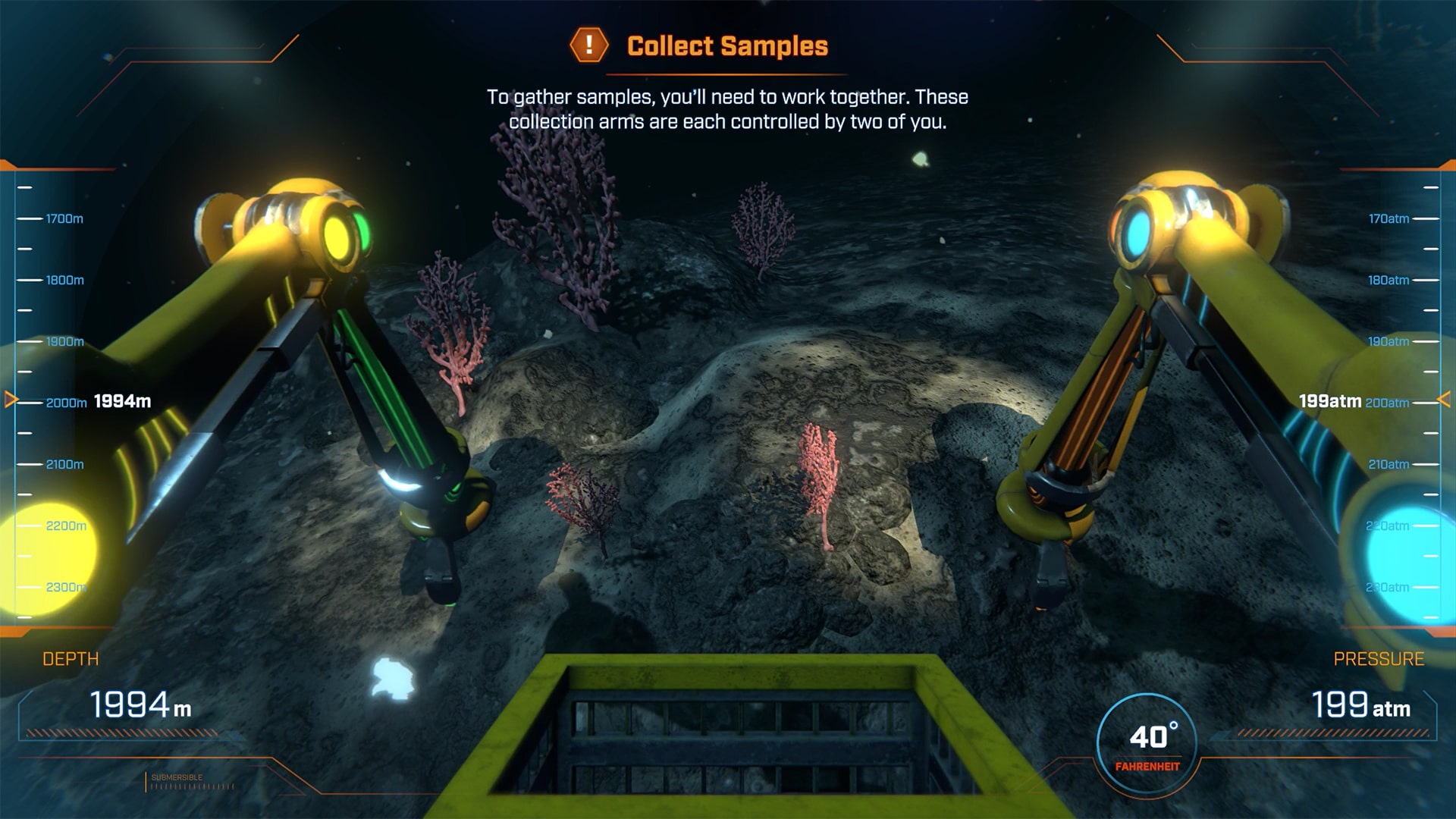
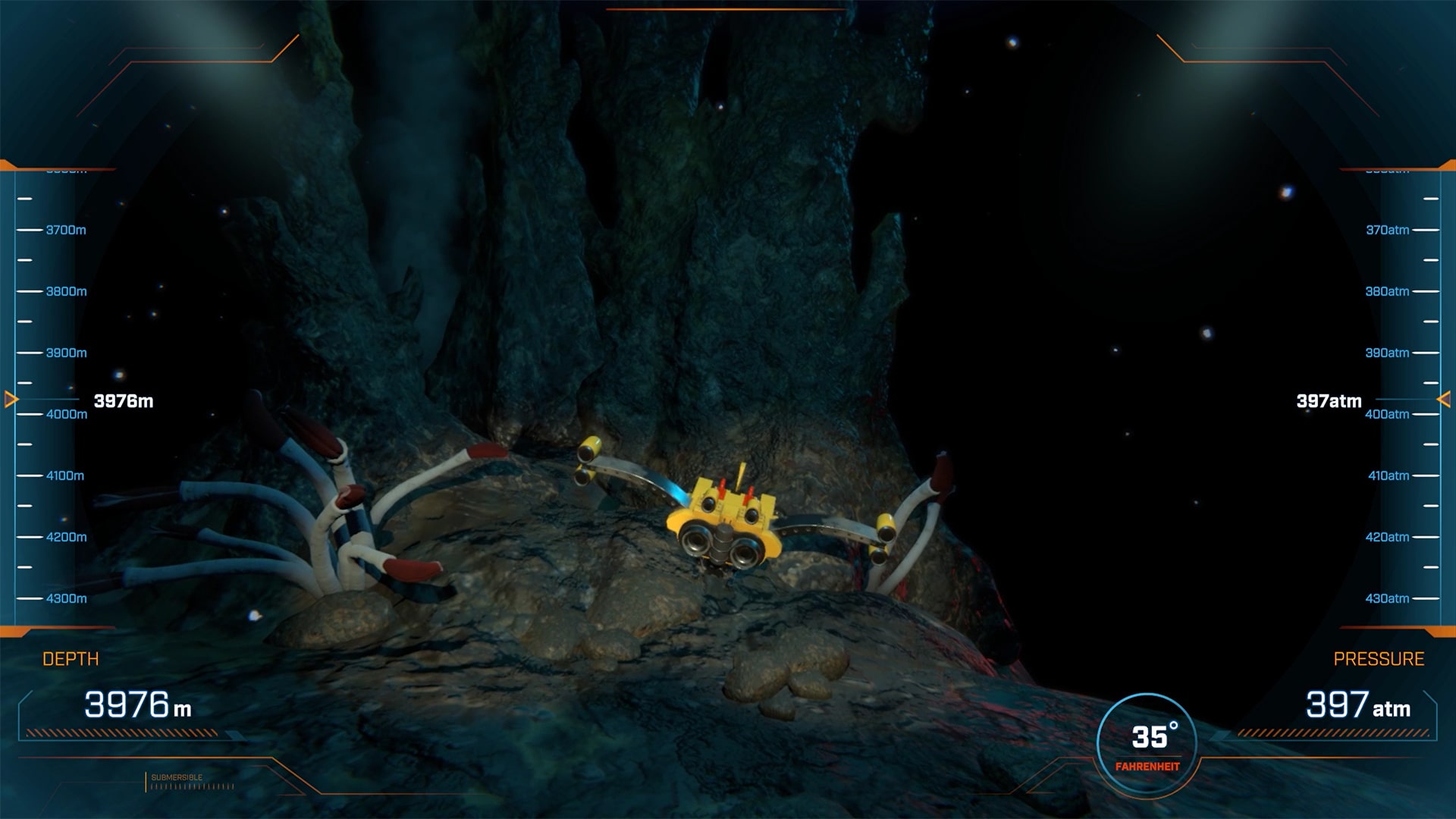
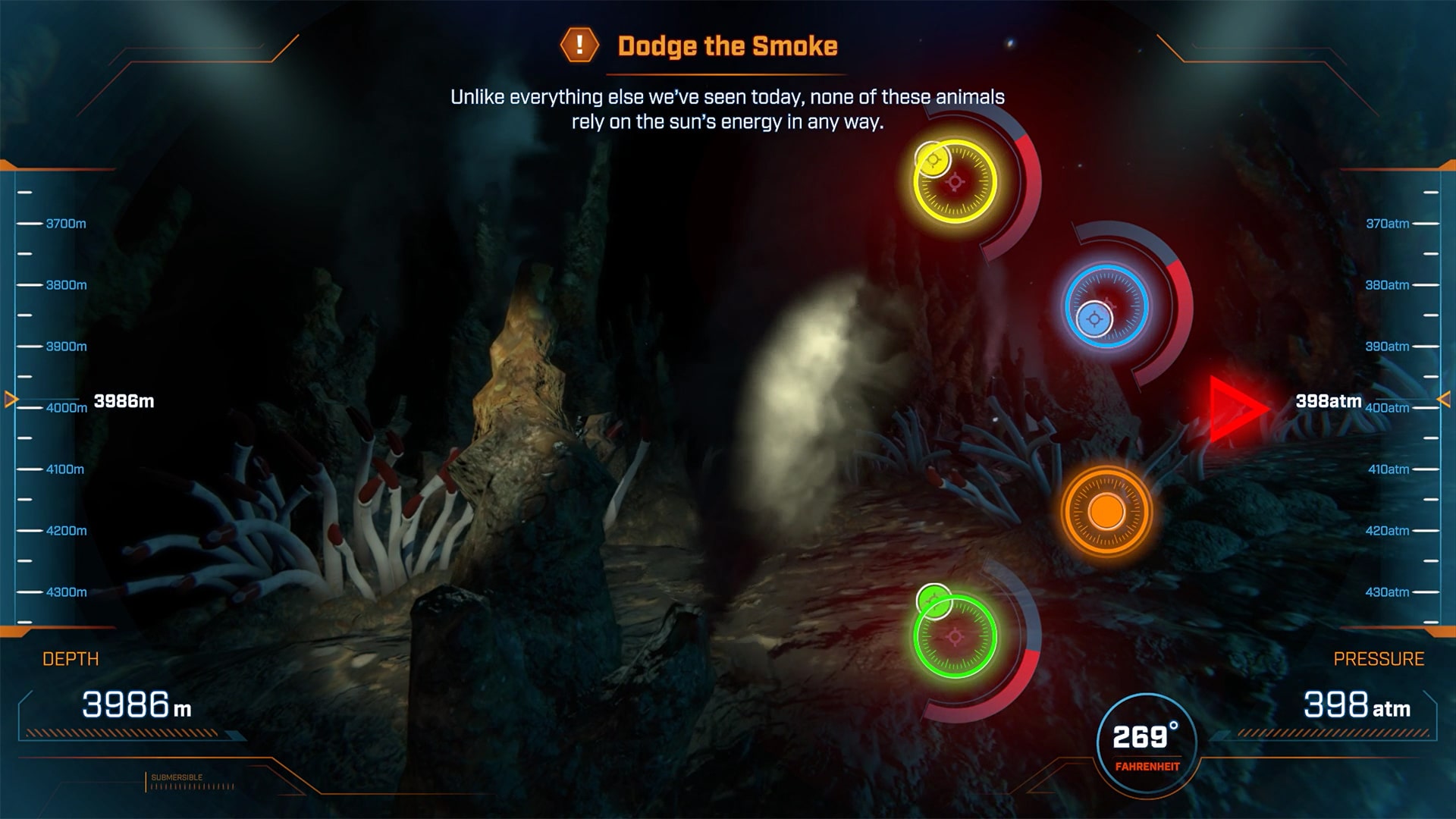
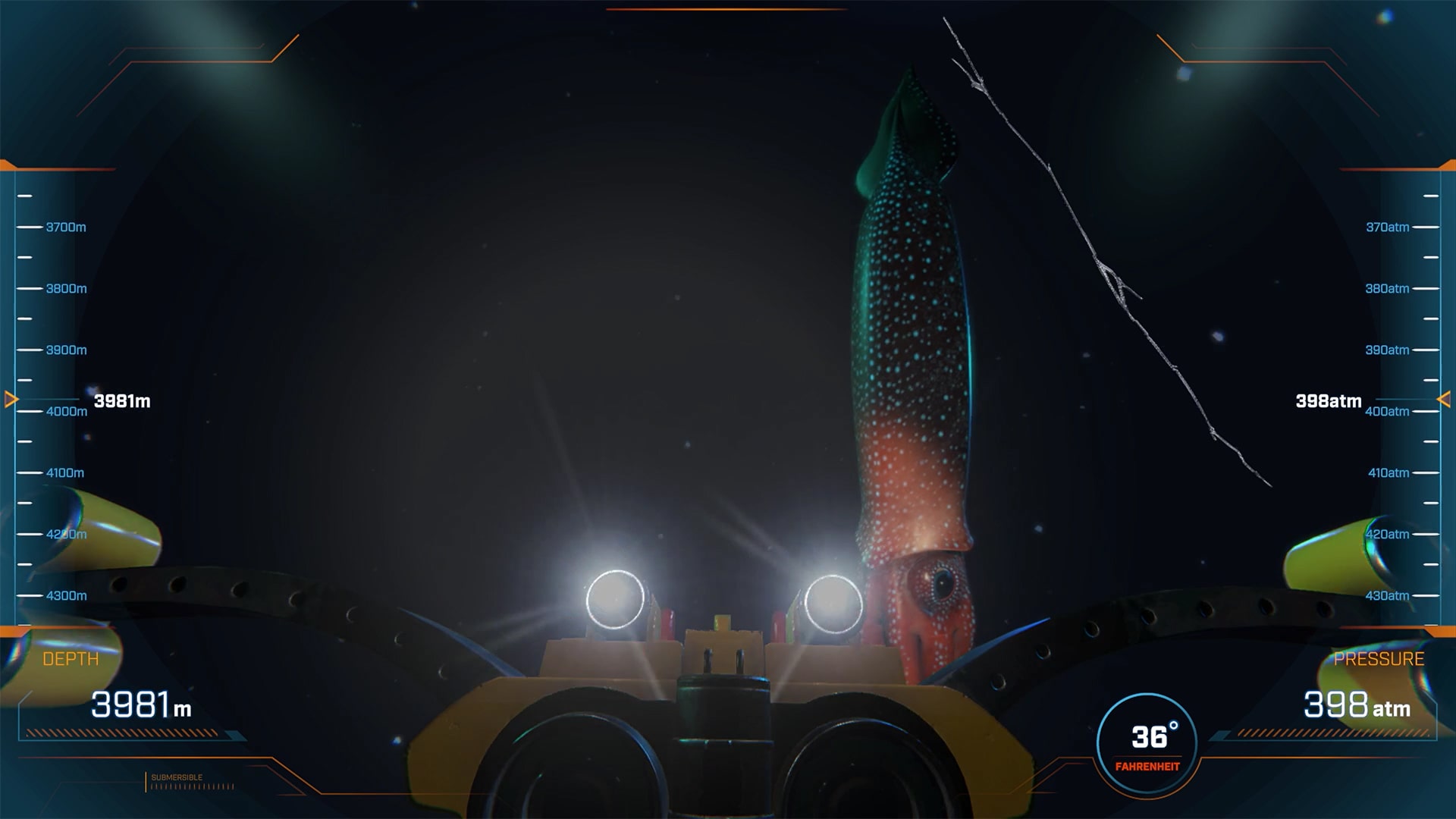
Mission: Deep Discovery is an interactive, location-based educational adventure developed by Schell Games for SeaWorld Parks and Entertainment. Built using the Unity engine, the attraction casts guests as researchers embarking on a deep-sea exploration mission. The experience utilizes large-scale touchscreens and interactive consoles to allow families to pilot virtual submersibles, discover bioluminescent sea life, and participate in "citizen science" tasks. By blending game mechanics with real-world oceanography, the project aims to foster a sense of stewardship for the ocean while providing an engaging "edutainment" break within the theme park environment.
- Schell Games
- SeaWorld Parks and Entertainment
- irtual submersible piloting
- specimen scanning
- environmental data collection
- Marine biology
- deep-sea ecosystems
- ocean conservation
- bioluminescence
- Location-based (Museum/Theme Park installation)
- Where can this experience be found?
- This is a Location-based project, meaning it was designed specifically for physical installations at SeaWorld parks. It is part of their effort to integrate interactive digital learning into their traditional animal exhibits.
- What is the "mission" for the players?
- Players take on the role of researchers. They are "deployed" to various zones of the ocean—ranging from the sunlit surface to the midnight zone—to identify species, track migration patterns, and learn about the delicate balance of marine ecosystems.
- How do guests interact with the game?
- The experience typically uses multi-user touch consoles. Guests work together to navigate a digital environment, using "scanners" to gather data on animals that appear on a massive shared display. This collaborative element is designed to encourage family discussion about the science being presented.
- What is the benefit of using the Unity engine for a physical exhibit?
- Using a real-time game engine like Unity allows the environment to be dynamic. Unlike a pre-rendered movie, the sea life can react to guest input, and the data collected can change based on the guests' choices, making every "dive" feel like a unique discovery.
- What are the specific learning objectives?
- The project focuses on "Transformational" education: Biodiversity: Identifying various species and their roles in the food web. Adaptation: Learning how creatures survive in high-pressure, low-light environments (e.g., using bioluminescence). Conservation: Understanding the impact of human activity on the deep ocean.
Gallery
DRAG
DRAG