
Transformational Brief
Saving the Day With Dialogue
Mission-Ready Conflict Resolution in Mission: It's Complicated
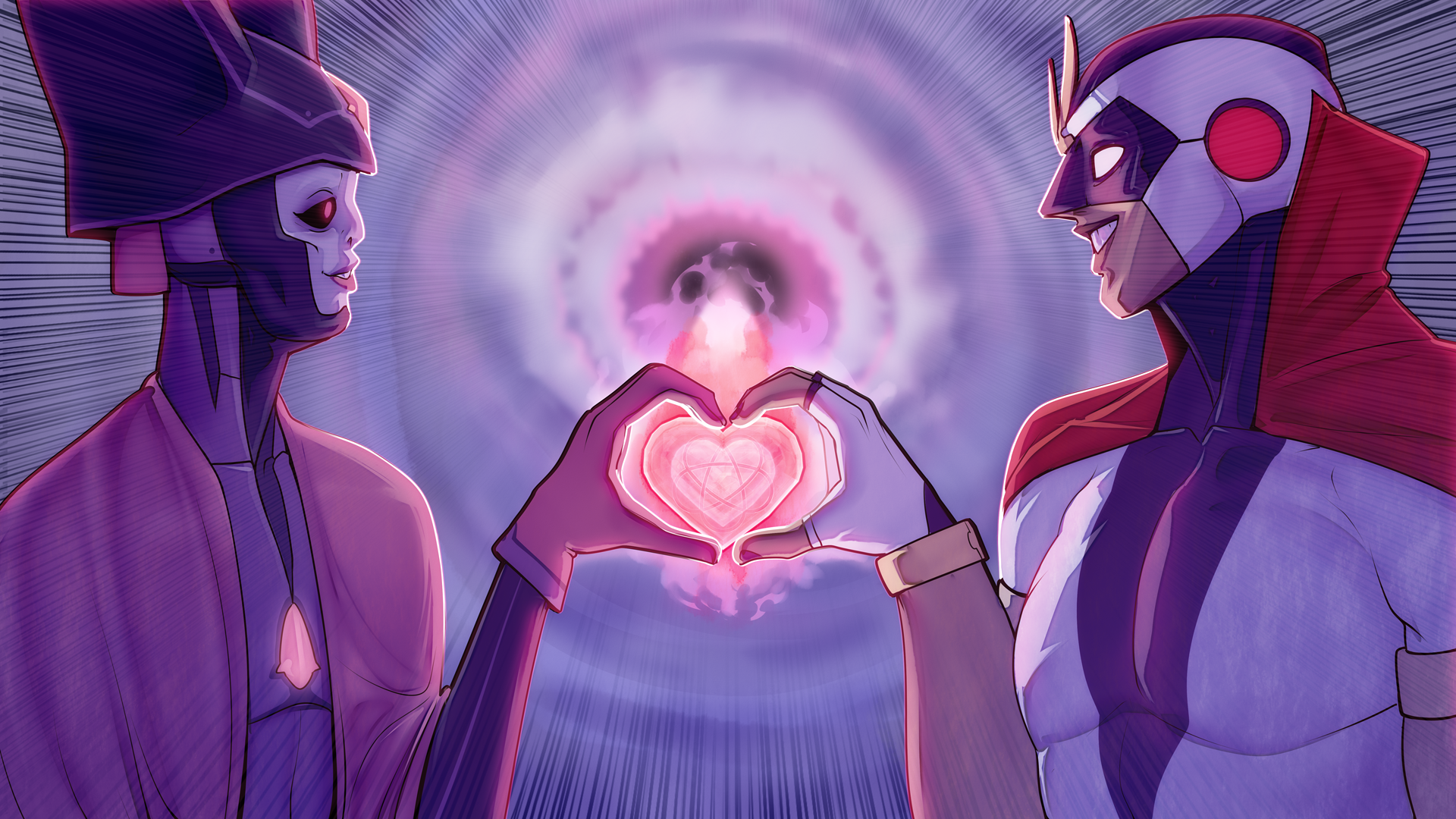
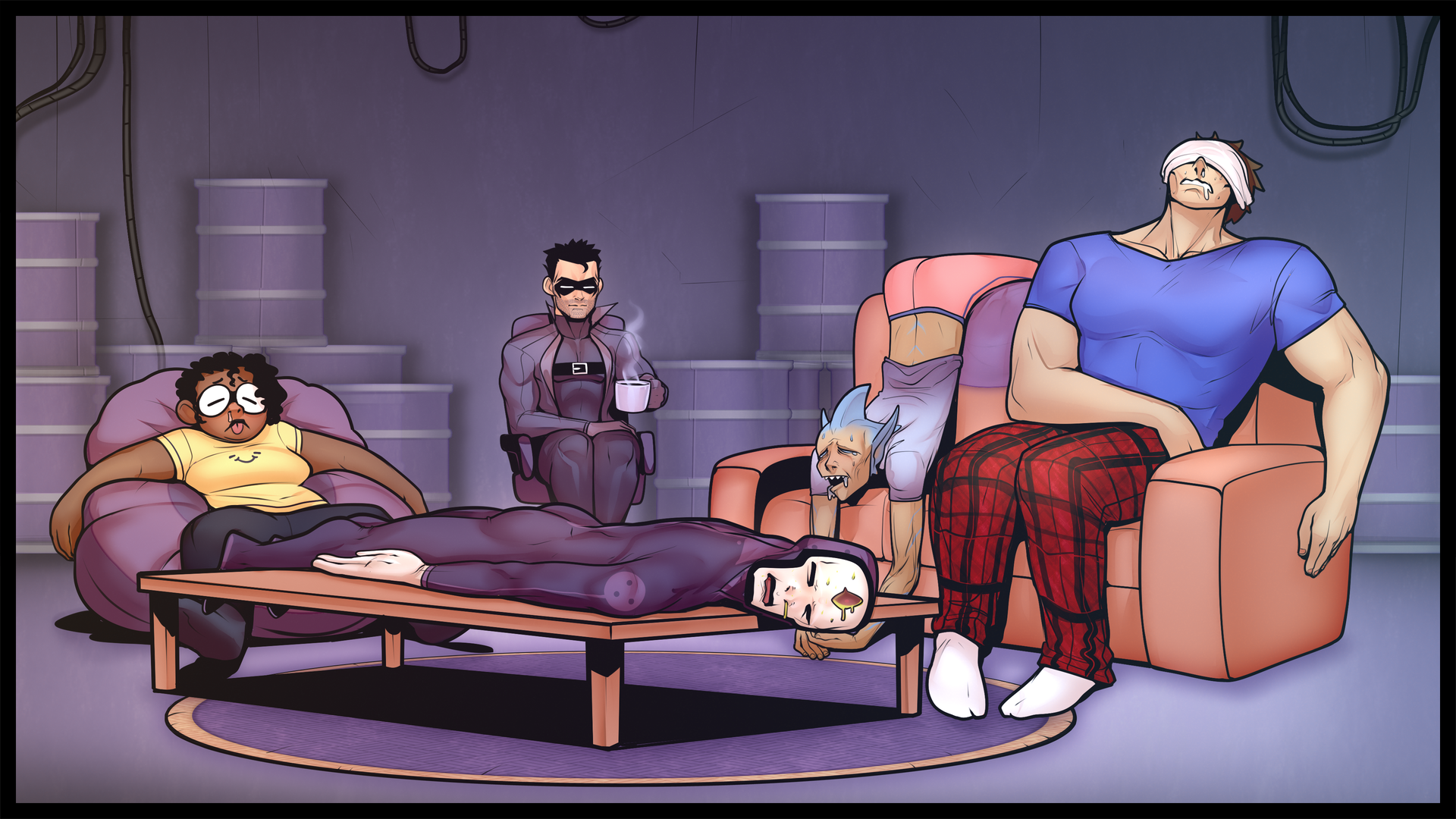
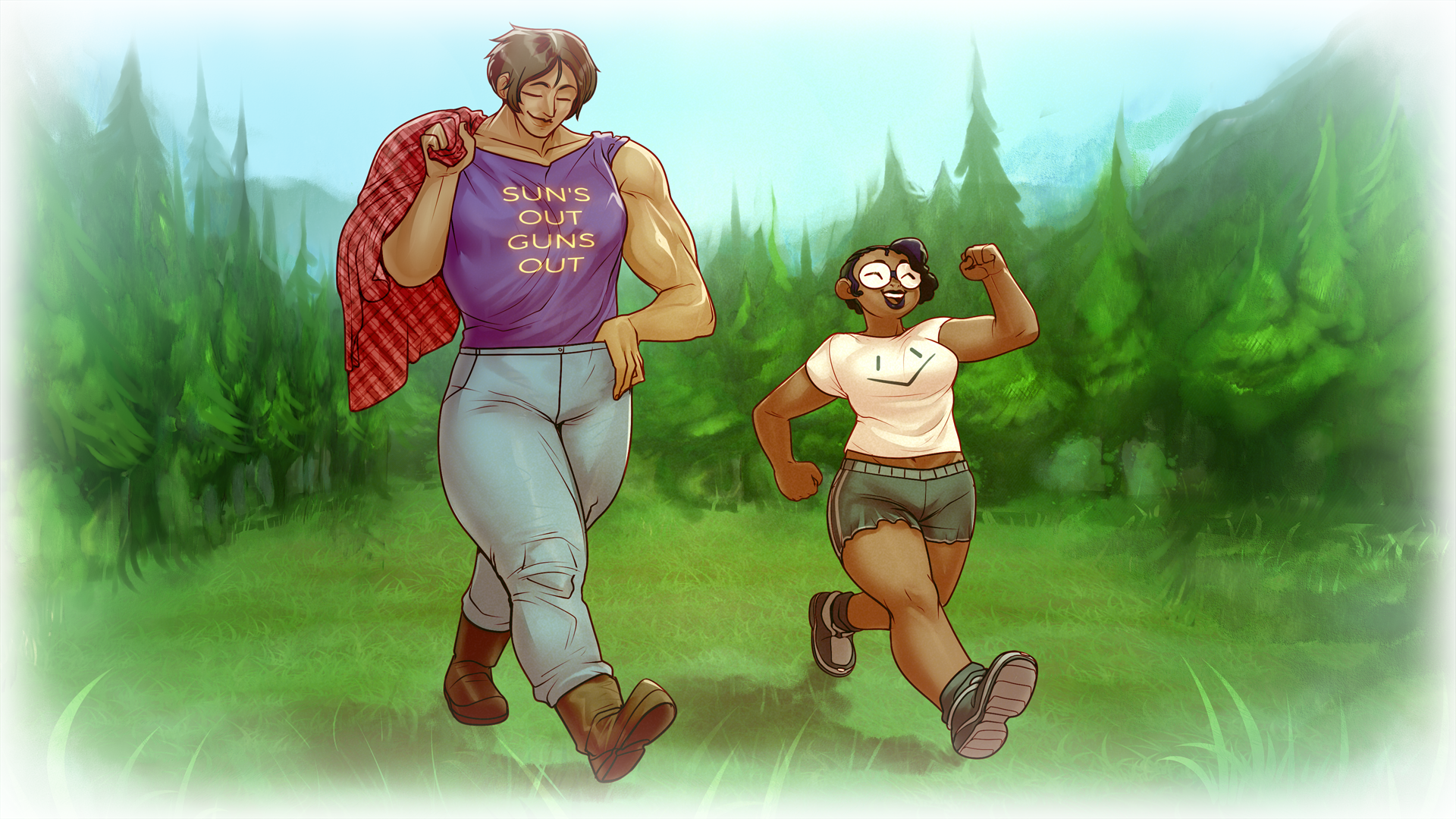
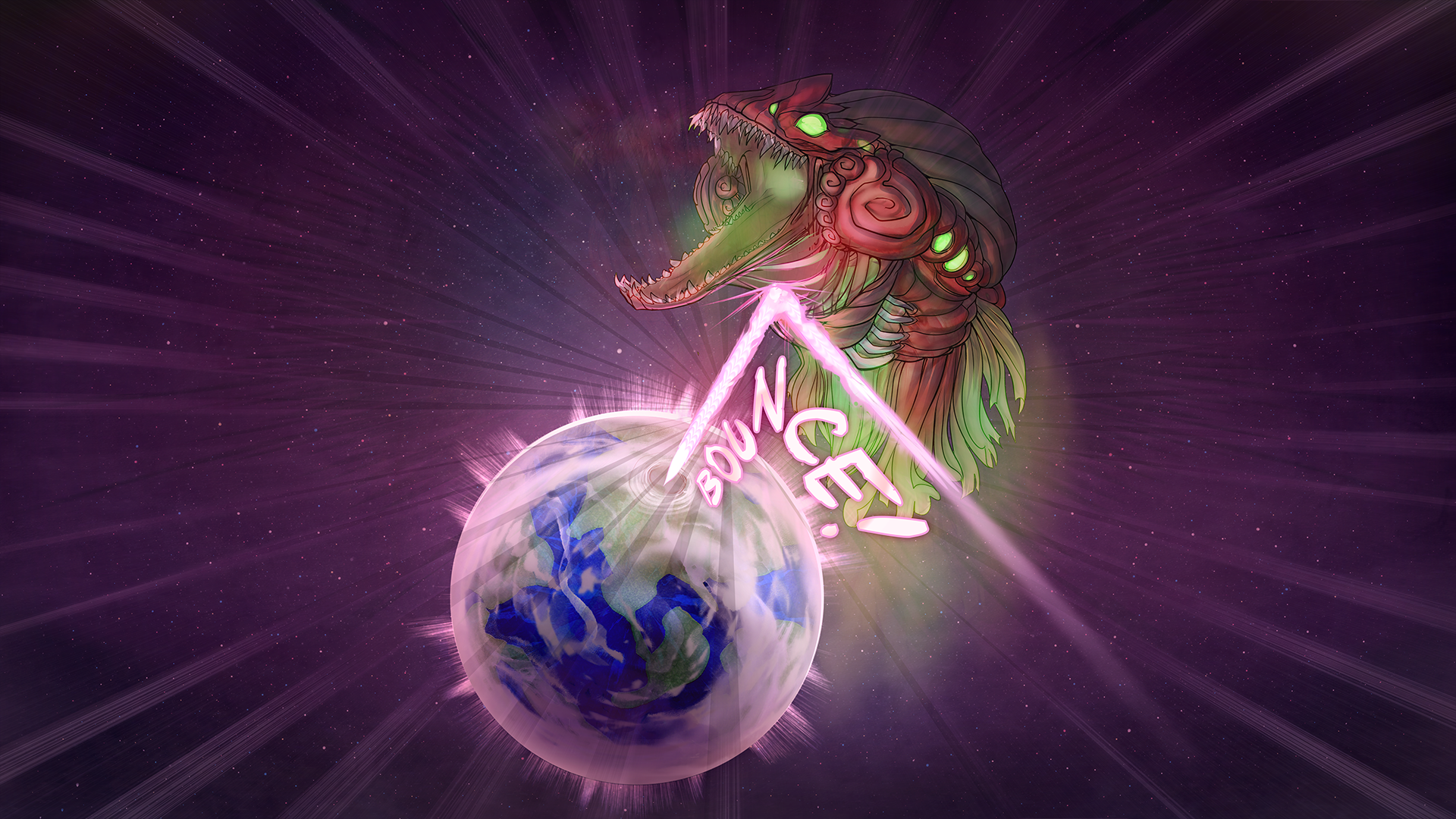

Mission: It’s Complicated (MIC), developed by Schell Games, is a social deduction and relationship simulator that replaces traditional superhero combat with collaborative problem solving. As analyzed by Dr. Brooke Morrill, the game functions as a "safety net" for practicing Theory of Mind and perspective-taking without the risk of social rejection. By utilizing a "No Bummers" framework, the game encourages interpersonal vulnerability and moves players away from a zero-sum, win-lose mentality toward integrative negotiation. This approach reinforces mental blueprints for de-escalation, empathy, and the maintenance of both platonic and romantic bonds, proving that high-stakes conflict can be a prerequisite for deeper connection.
- Schell Games
- Brooke Morrill
- Integrative negotiation
- prosocial conflict management
- theory of mind
- sueprhero team-up
- dialogue-based gameplay
- empathy building
- interpersonal vulnerability
- relationship architecture
- emotional regulation
- How does Mission: It's Complicated differ from typical superhero games?
- Instead of focusing on physical strength or "who would win in a fight," MIC focuses on collaborative problem solving. The primary challenge is navigating difficult conversations and managing team dynamics through dialogue rather than combat.
- What is "Integrative Negotiation" in the context of the game?
- It is the art of finding a "third way" where both parties feel their needs are met. The game moves away from simple compromise—where people often feel they've lost something—and toward a win-win solution where the relationship is strengthened by the conflict.
- What is the "No Bummers" framework?
- This is a mechanical safety net that ensures a positive ending for every superhero pair. By removing the fear of "getting it wrong" or being rejected, the game allows players to experiment with honest and awkward dialogue, reducing social performance anxiety.
- Does the game treat platonic and romantic relationships differently?
- No. One of the game's core strengths is giving "Friend Dates" the same mechanical weight as romantic ones. This highlights that high-quality social connections of all types are essential for long-term well-being and mission success.
- Can playing this game improve real-world empathy?
- Yes, through a process called experience-taking. By adopting the goals and worldviews of diverse characters, players can reduce internal biases and increase their capacity for empathy across different identities in their real lives.