PlayTEST!
Project Type
Client ProjectClient/Partner
Yale University's play2PREVENT LabGenre
Educational, Health & Wellness, NarrativeGame Engine
UnityPlatform
DesktopTarget Audience
Middle School, High SchoolOverview
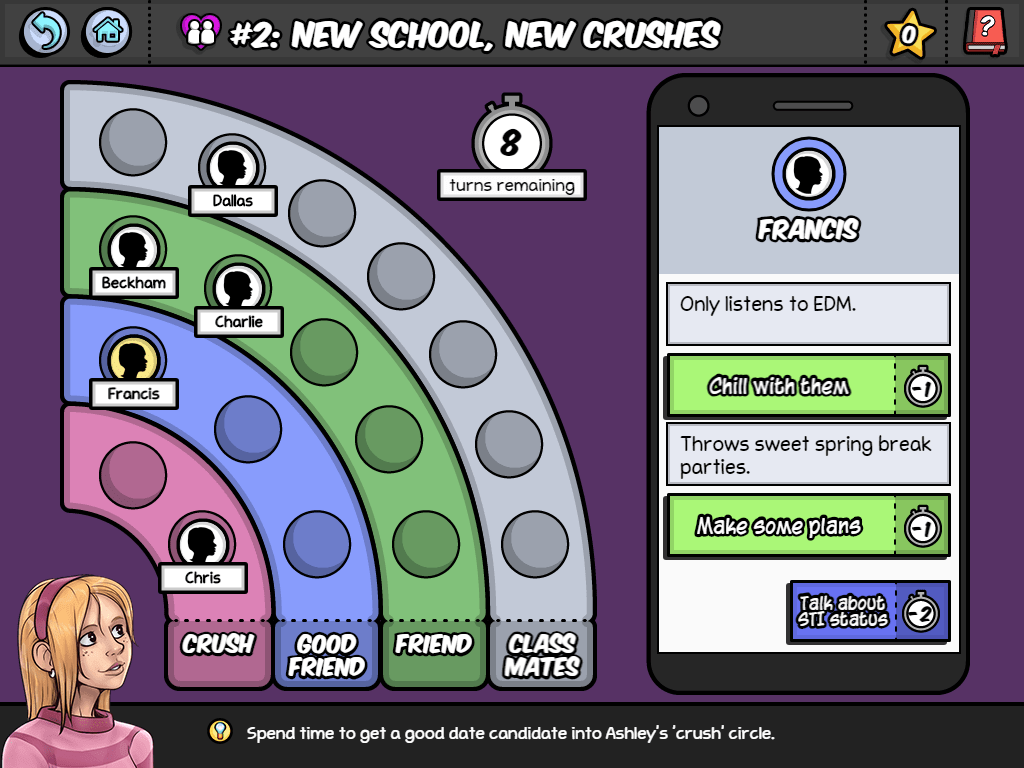
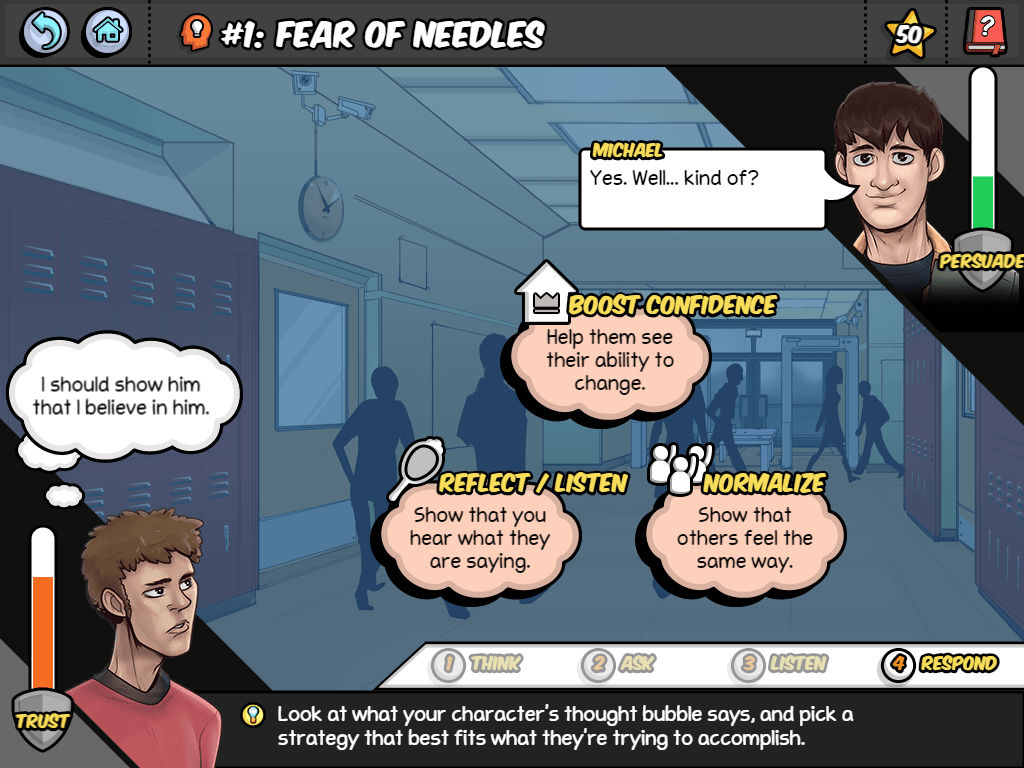
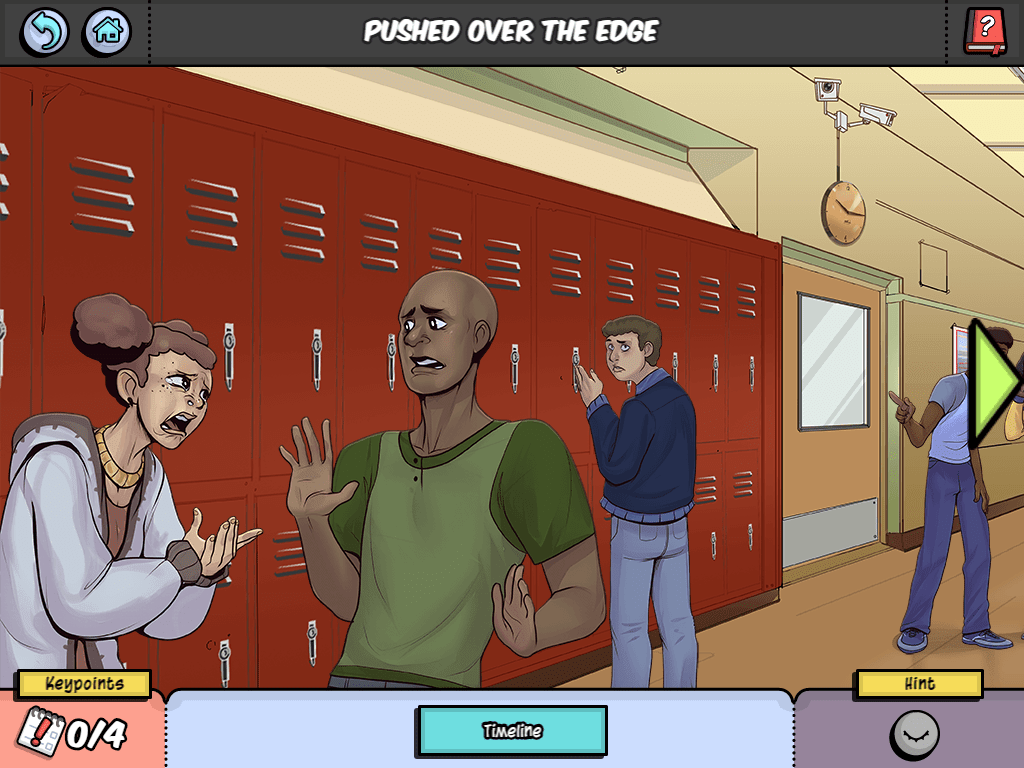
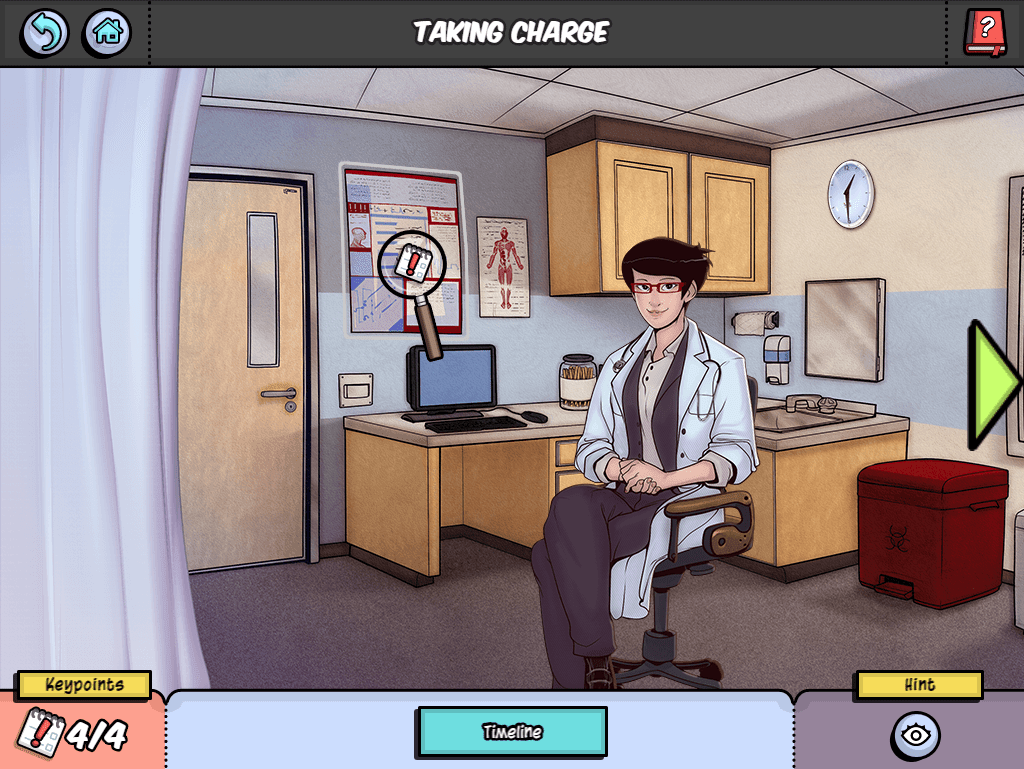
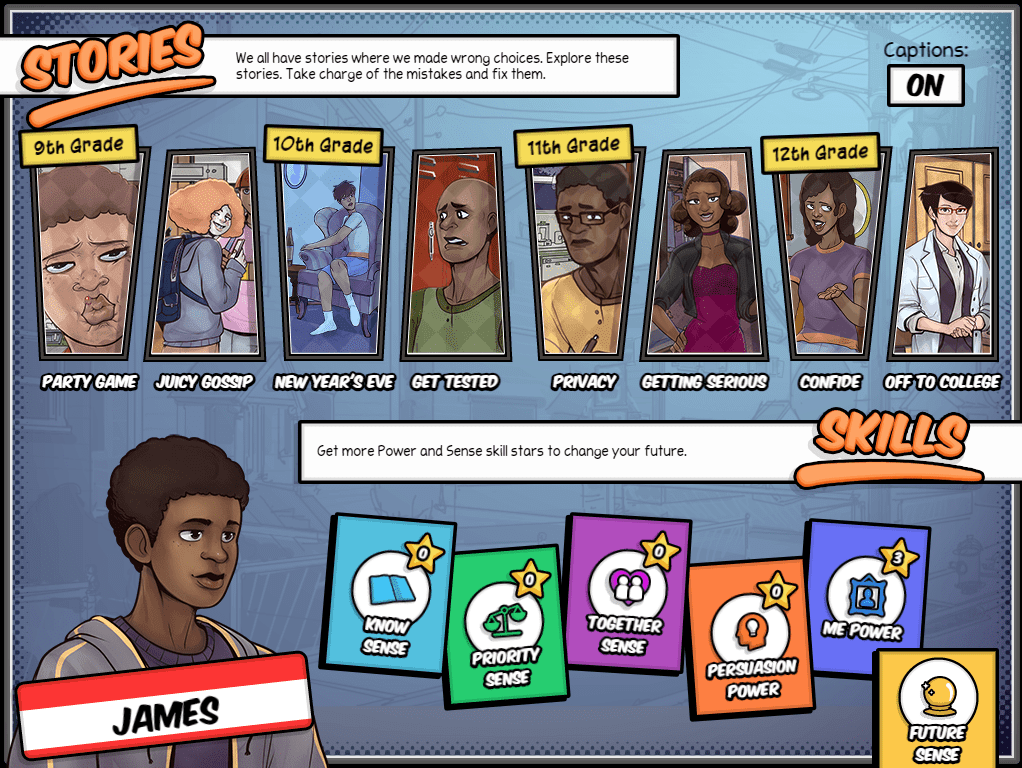
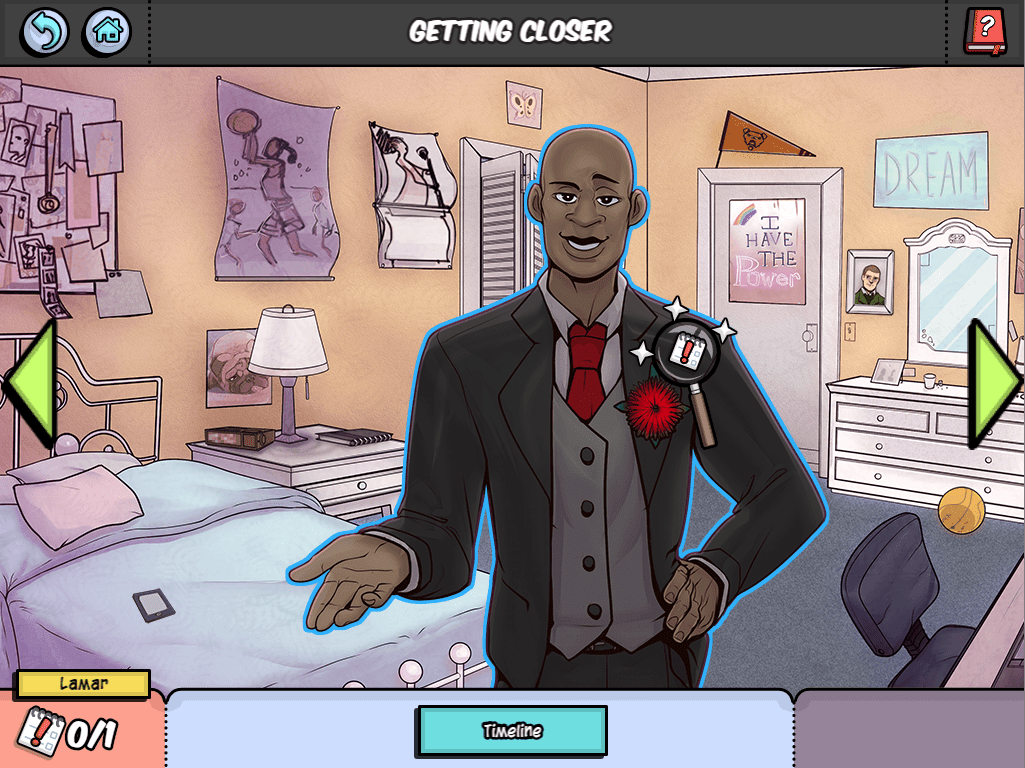
PlayTEST! is a narrative-driven "serious game" developed by Schell Games in collaboration with Yale University's play2PREVENT Lab. Built on the Unity engine for Desktop, the project is designed as a health intervention tool specifically for Middle and High School students. The game functions as a digital role-playing experience where students navigate complex social situations and make choices related to health and wellness, specifically focusing on HIV testing and prevention. By allowing players to practice these sensitive conversations in a safe, virtual environment, the project aims to build the "grit" and resilience needed to make healthy decisions in the real world.
- Schell Games
- Yale University's play2PREVENT Lab
- HIV testing awareness
- risk reduction
- behavioral health intervention
- Branching narrative
- social simulation
- decision-based consequences
- What is the specific health focus of this game?
- Unlike general wellness apps, PlayTEST! is specifically designed to increase HIV testing among adolescents. It uses "Social-Emotional Learning" (SEL) to help students understand the importance of testing and how to navigate the social stigmas associated with it.
- Why was the "play2PREVENT Lab" at Yale involved?
- The play2PREVENT Lab specializes in using "videogame interventions" to impact health and social outcomes in youth. They provided the clinical research and evidence-based strategies, while Schell Games translated that data into an engaging narrative world that teenagers would actually want to play.
- How does the gameplay influence real-world behavior?
- The game utilizes Social Cognitive Theory. By playing through a scenario where a character successfully navigates a health challenge (like going to a clinic or talking to a partner), the player's "self-efficacy"—their belief in their own ability to perform that action—increases. This "virtual practice" lowers the barrier to performing the action in real life.
- Is it a "Choice-Based" game?
- Yes. The core of the experience is its branching narrative. Players encounter various social pressures and must choose how to respond. Each choice leads to different outcomes, allowing students to see the long-term health consequences of their decisions in a risk-free environment.
- Who is the intended user?
- The game is primarily intended for use in school-based health programs and community centers. It is designed to be a "facilitated" experience where the gameplay can be followed by a discussion with educators or health professionals.
Gallery