

- Only Lovers Left Alive
- A Girl Walks Home Alone at Night
- Thirst
- Let the Right One In
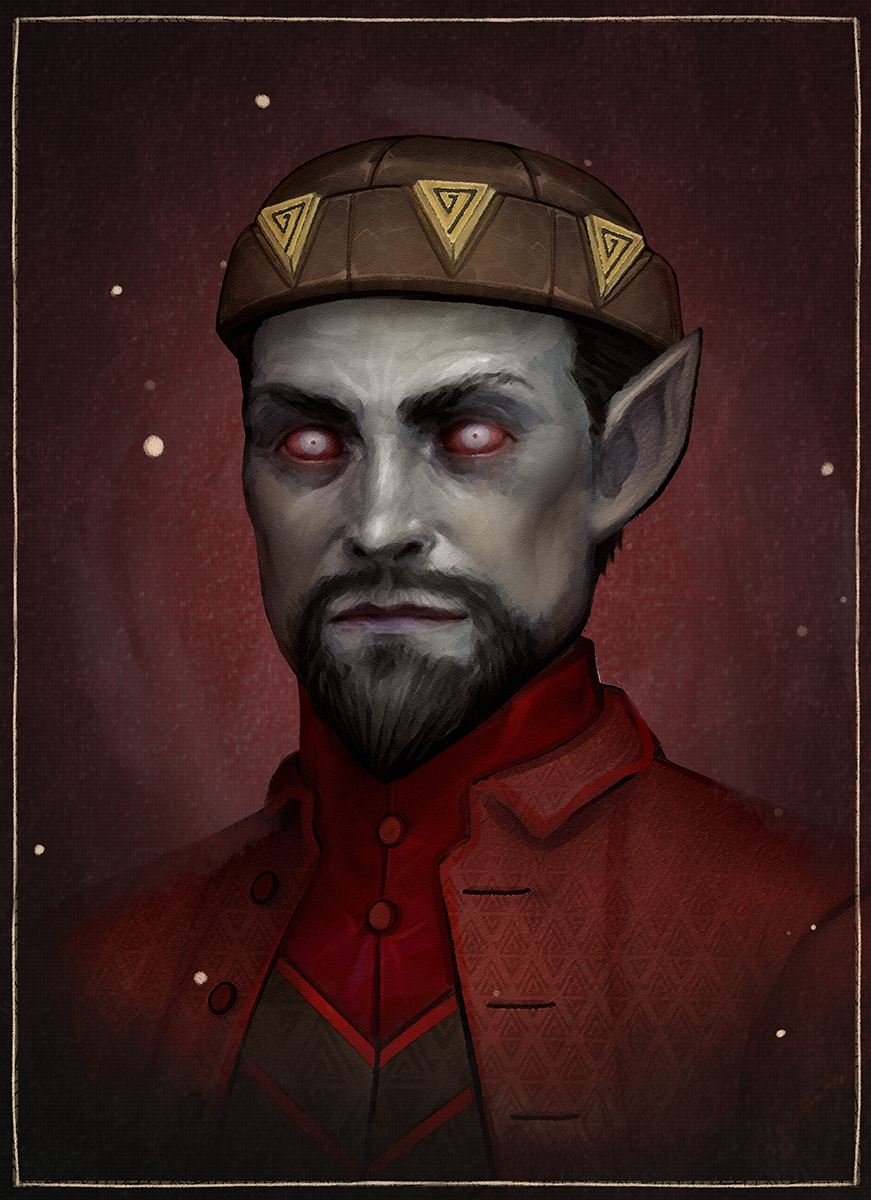
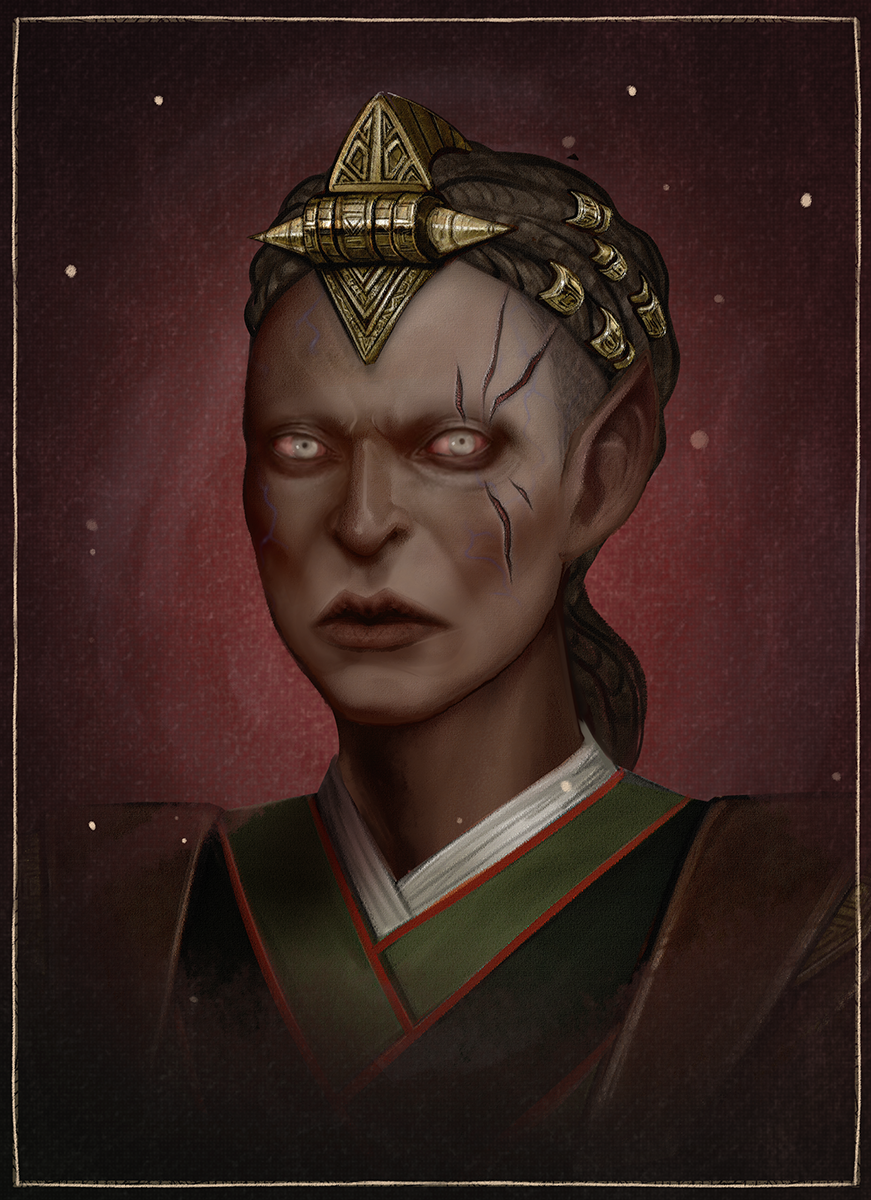
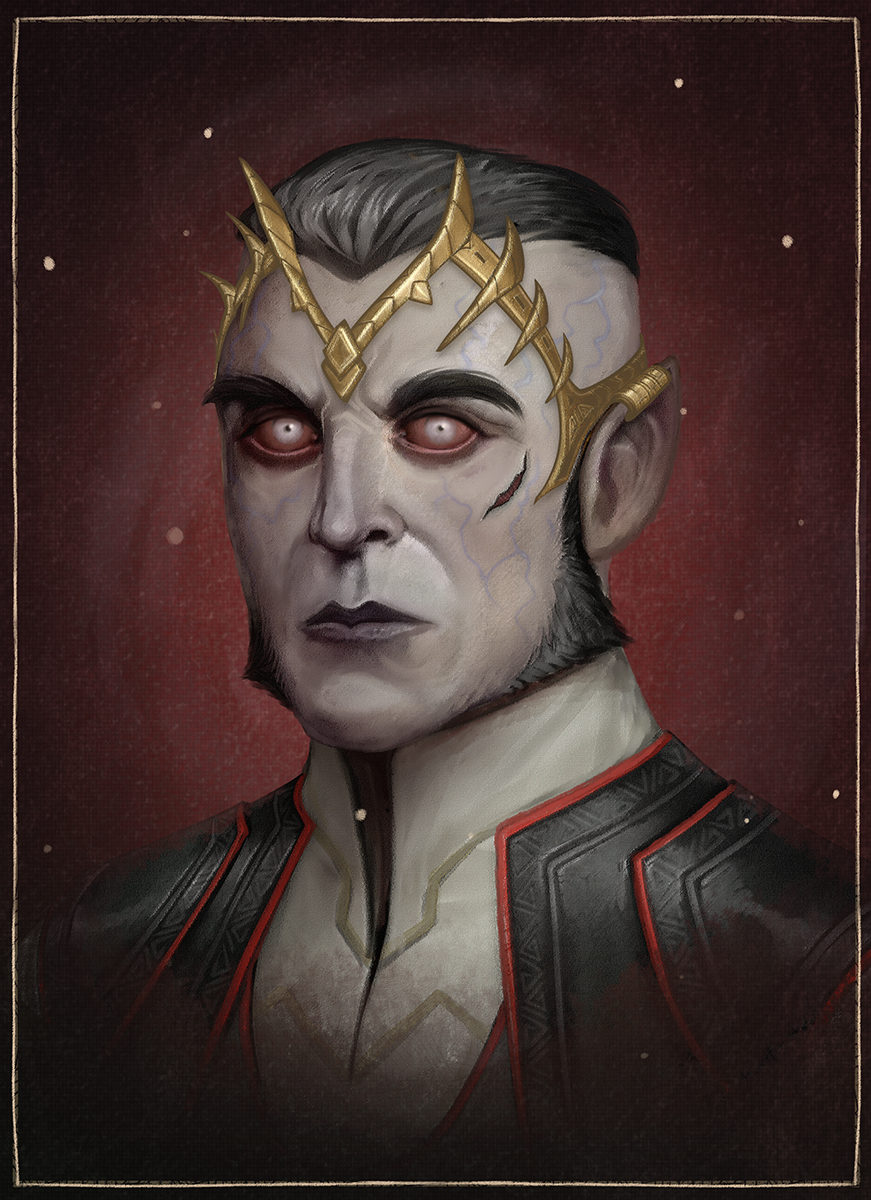
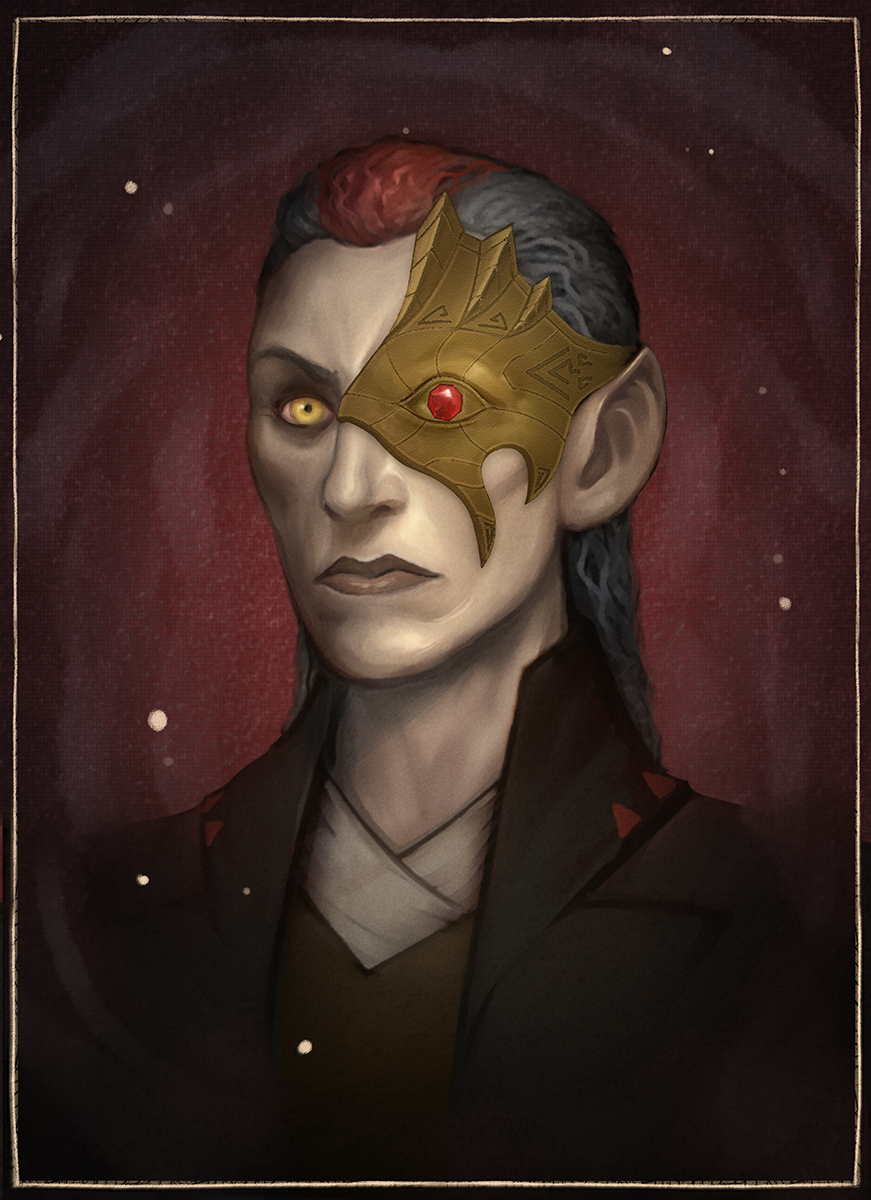
This article from Schell Games provides a detailed breakdown of the various vampire archetypes encountered in the VR horror-puzzle game Silent Slayer: Vault of the Vampire. The content is tailored for players looking to refine their tactical approach, horror fans interested in gothic world-building, and game designers studying enemy variety in VR. By categorizing the specific behaviors and unique physical traits of different "slayer targets," the post serves as an essential manual for understanding how difficulty scales through the introduction of new environmental hazards and sensory challenges. The significance of this post lies in its exploration of "enemy as puzzle" design. In Silent Slayer, the vampire is not a combatant but a living obstacle that reacts to the player's noise, proximity, and precision. This matters because it illustrates how VR can create tension through vulnerability rather than empowerment. By detailing the lore and mechanical differences between targets—ranging from the highly sensitive to those protected by complex magical wards—the article highlights the depth of the game's strategic requirements. This transparency helps players anticipate the steady increase in complexity, turning each "vault" into a distinct test of nerves and mechanical skill.
- Vampire Archetypes
- Environmental Storytelling
- Sensory Triggers
- Gothic Horror Aesthetics
- Mechanical Difficulty Scaling
- Tactical Planning
- Are all vampires in Silent Slayer defeated the same way?
- While the end goal is always to drive a stake through the heart, the journey to get there varies wildly. Different vampires have different magical defenses and sensitivity levels, requiring players to use specific tools and varying degrees of speed or caution.
- How does the game communicate which vampire I am facing?
- Each vampire has a distinct visual profile and vault environment. The guide details these visual cues so players can identify the target's unique threats—such as increased sensitivity to sound—before they begin the disarming process.
- Does the lore impact the gameplay?
- Yes. The lore provided for each vampire archetype explains their specific powers and why their "vault" is constructed with certain traps, helping the player understand the logic behind the puzzles.
- What is the most difficult vampire type to defeat?
- Difficulty is subjective, but vampires with "reactive" defenses—those that move or change state based on the player’s actions—are generally considered the peak of the game’s challenge, as they require the highest level of focus and timing.