
Arboreal
Project Type
Original GameGenre
ConceptGame Engine
Unreal EngineOverview
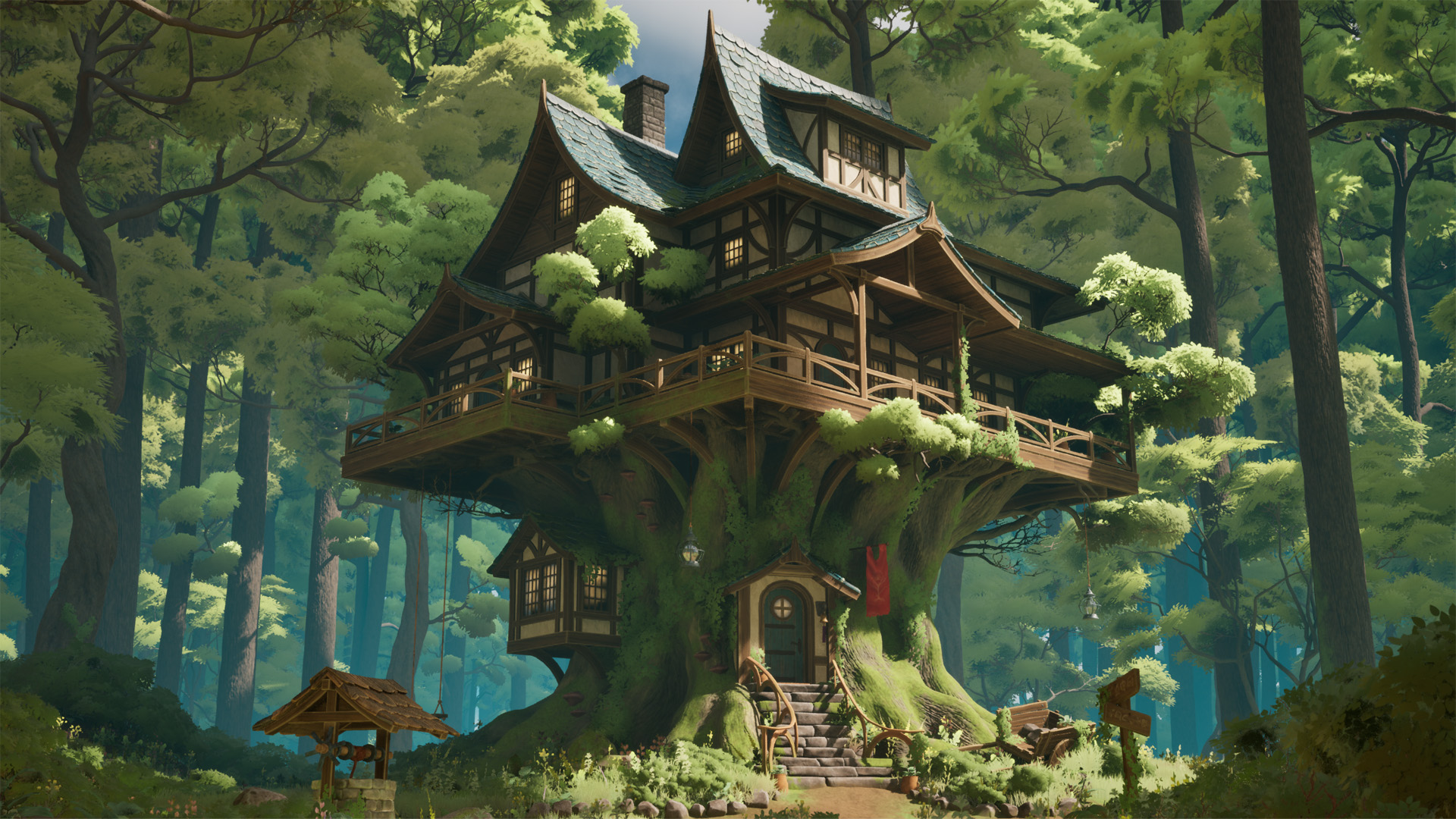
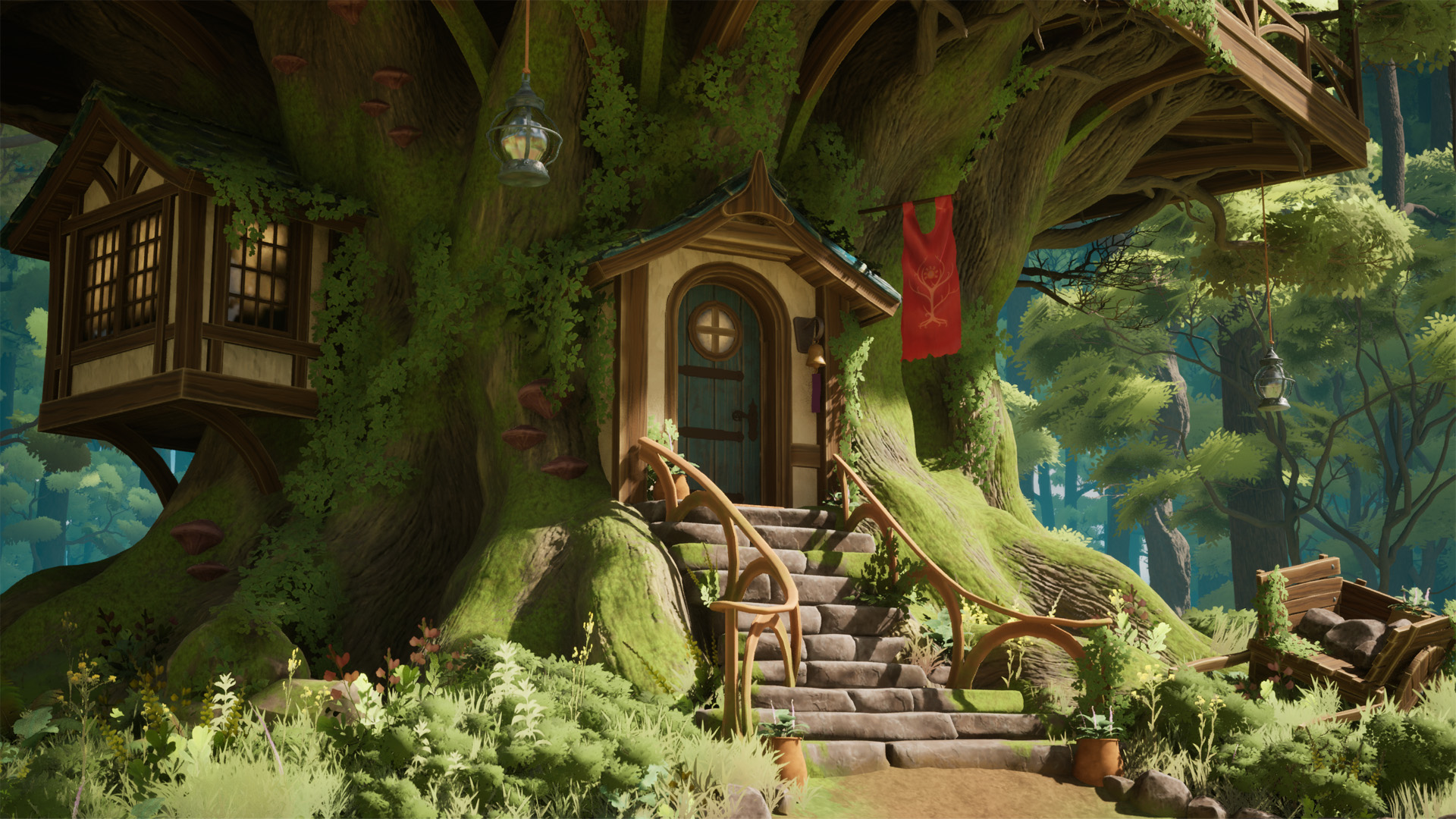
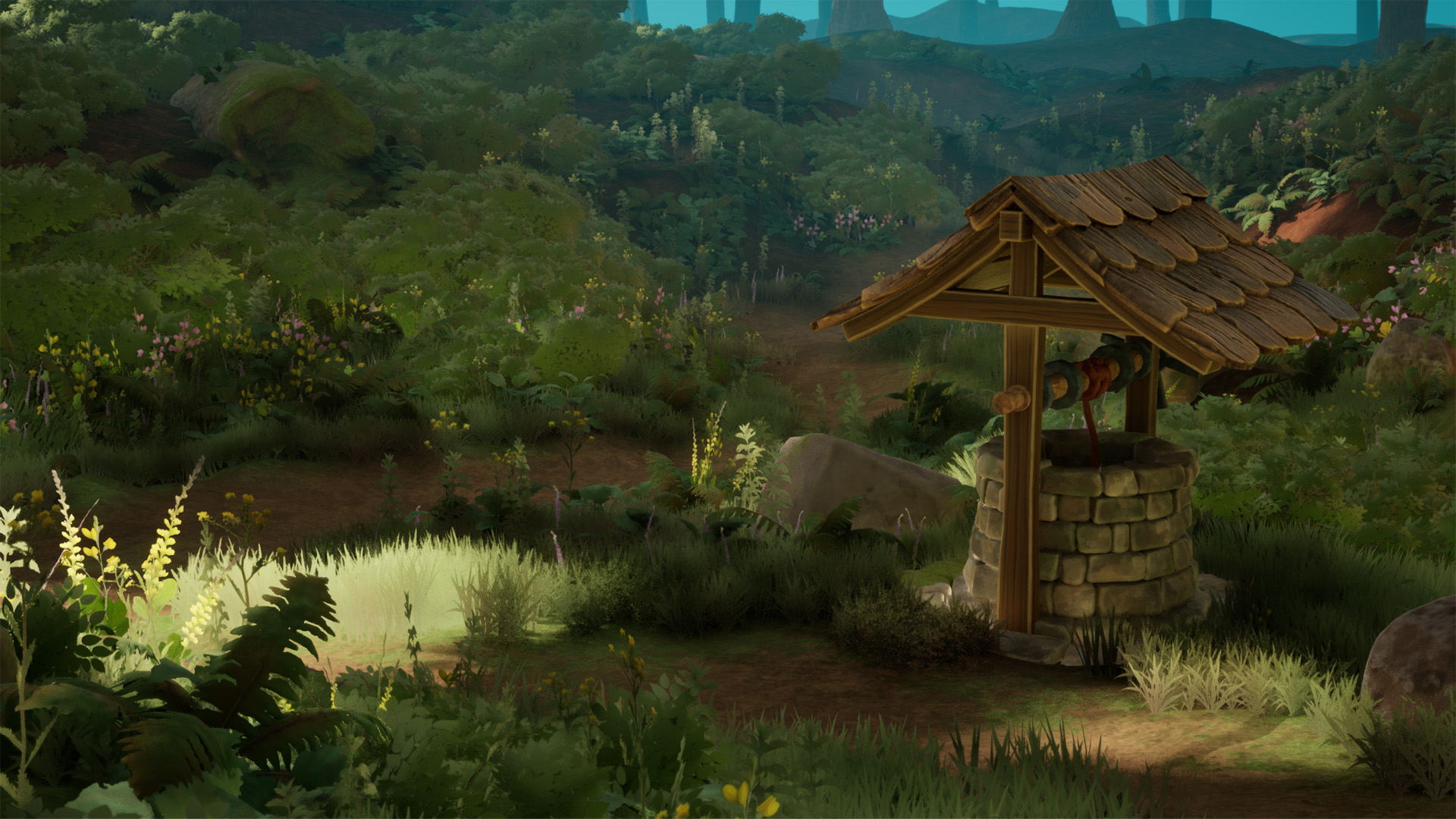
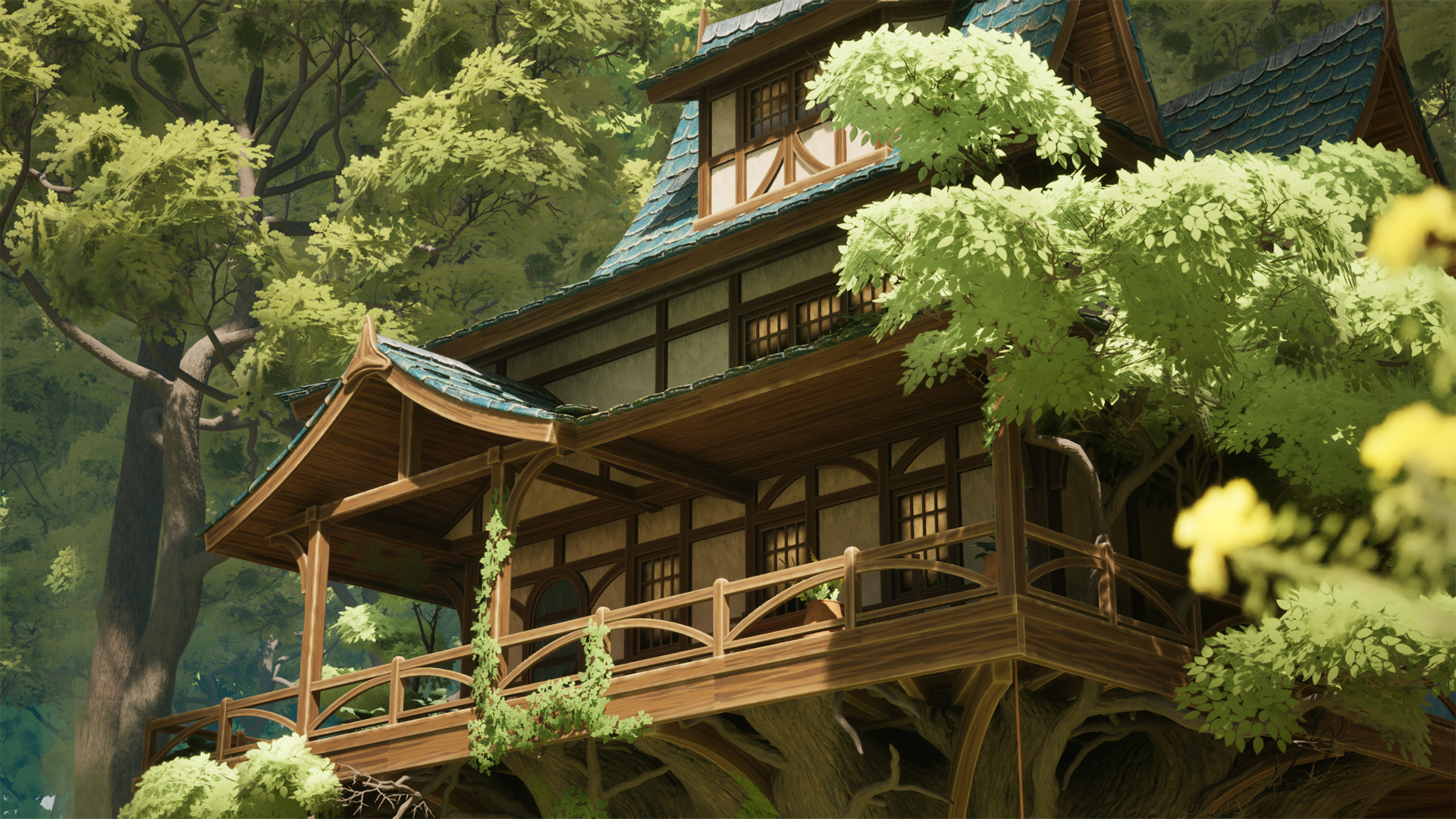
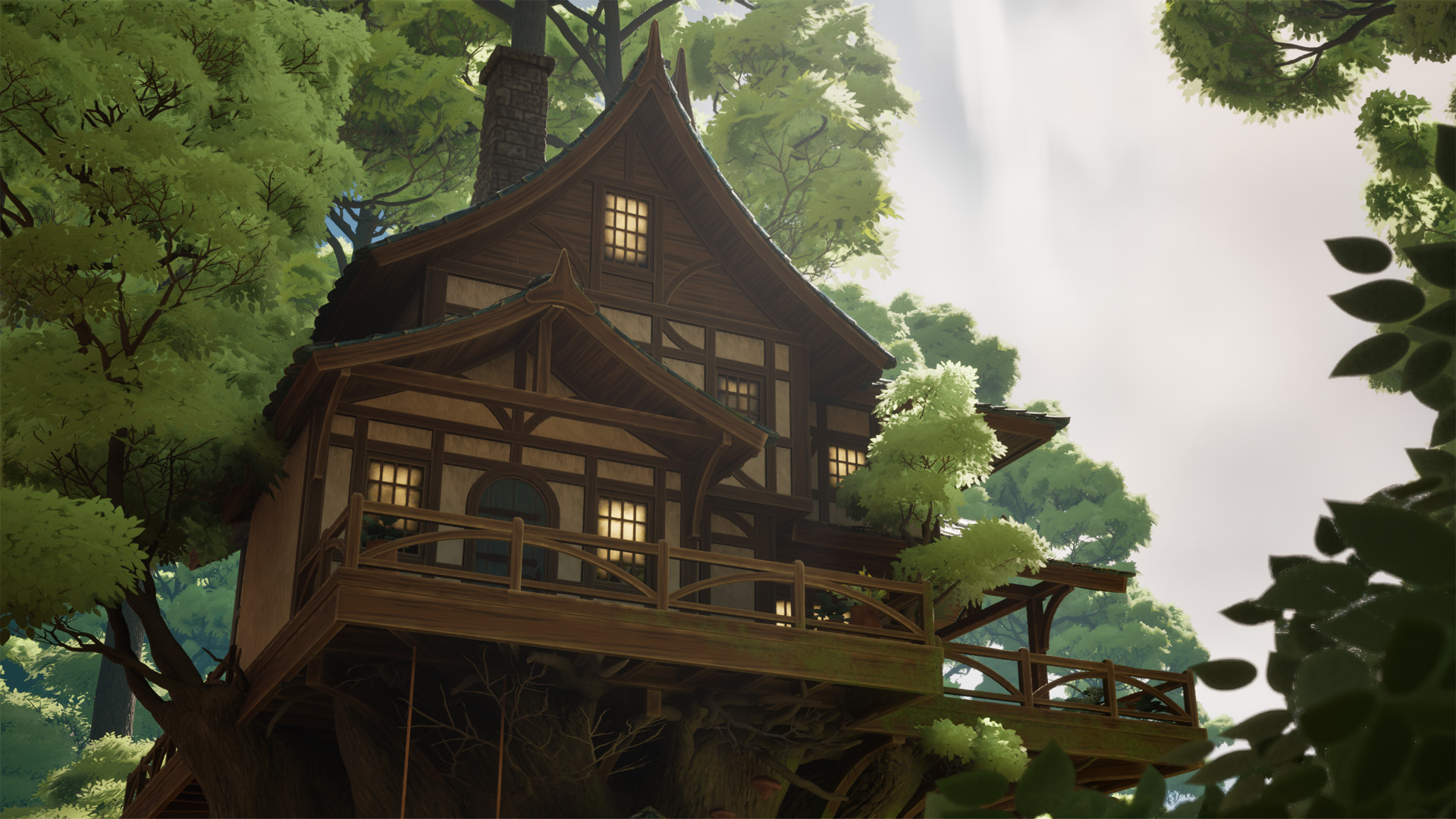
Arboreal is an original Concept project developed by Schell Games to explore the advanced capabilities of Unreal Engine 5 (UE5). Rather than a traditional game, the project served as a technical benchmark for the studio's art and engineering teams to master cutting-edge features like Lumen for real-time global illumination and Runtime Virtual Textures for seamless terrain blending. By utilizing SpeedTree for procedural vegetation, the team created a highly immersive, stylized forest environment. Arboreal stands as a testament to Schell Games' commitment to staying at the forefront of game technology, ensuring their production pipeline is ready for the next generation of visual excellence.
- Schell Games
- Unreal Engine 5 (UE5)
- Lumen (Global Illumination)
- SpeedTree
- Runtime Virtual Textures (RVT)
- Real-time lighting
- procedural vegetation generation
- mesh-terrain blending
- Is Arboreal a game I can play?
- No. Arboreal is classified as a Concept and a technical demonstration. It was created internally at Schell Games to refine their skills with Unreal Engine 5 and its specific lighting and terrain tools.
- What is "Lumen" and why is it important in this project?
- Lumen is Unreal Engine 5's dynamic global illumination and reflections system. It allows for "infinite bounces" of light, meaning that if a light source moves, the way it reflects off every surface in the forest (like leaves and rocks) updates instantly. This eliminates the need for time-consuming "pre-baked" lighting and allows for much more realistic and immersive environments.
- How did the team create the dense forest vegetation?
- The team used SpeedTree, a specialized tool for generating high-quality, procedural trees and plants. This allowed them to "sculpt" a lush, dense forest that feels organic and unique without having to hand-model every individual leaf or branch.
- What are "Runtime Virtual Textures" (RVT)?
- RVT is a technique used to help 3D objects (like a rock or a tree trunk) blend seamlessly into the ground. It "shares" texture information between the terrain and the objects sitting on it, removing the harsh, artificial lines where a mesh meets the ground and making the environment look more like a single, cohesive world.
Gallery
DRAG
DRAG