Pleasant Cove
Project Type
Client ProjectClient/Partner
REAL SystemsGenre
Educational, Casual, Health & WellnessGame Engine
Unreal EnginePlatform
Virtual RealityTarget Audience
AdultOverview
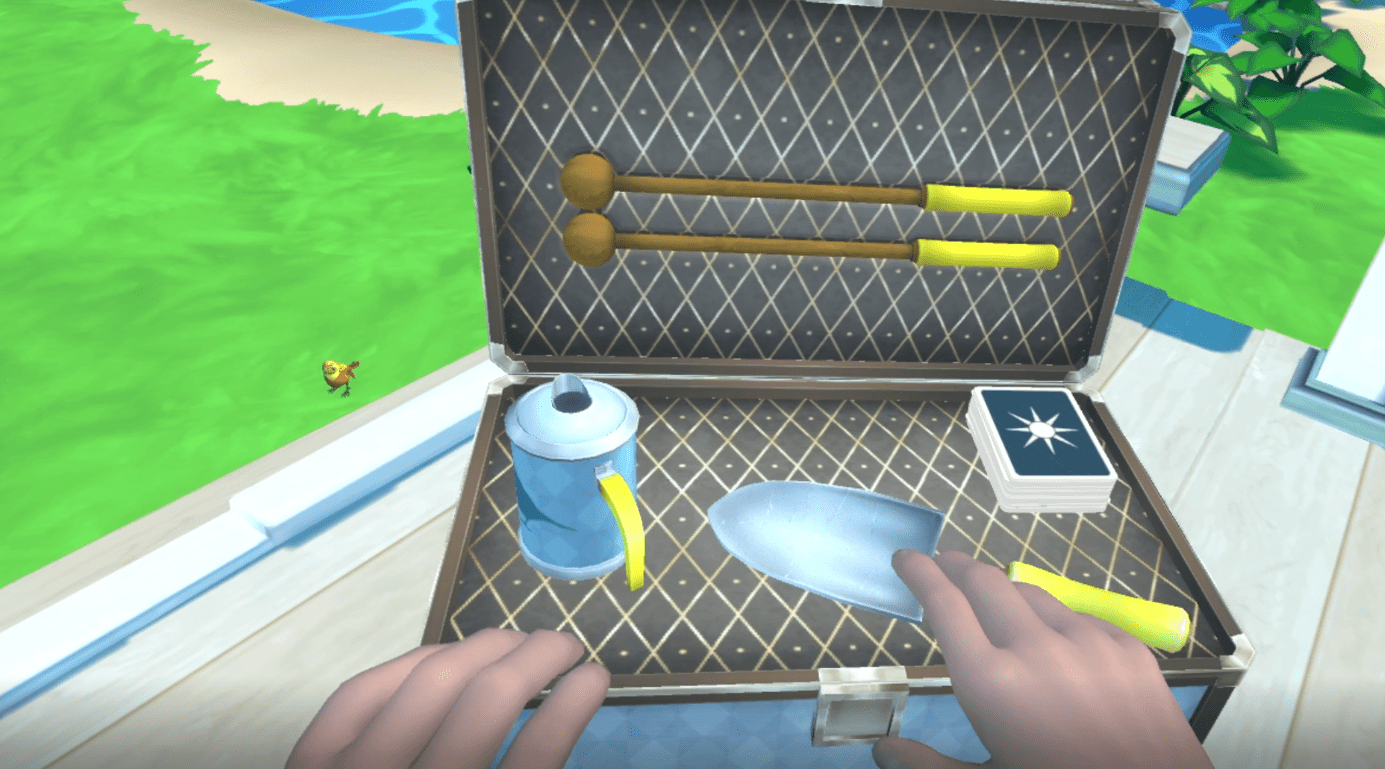
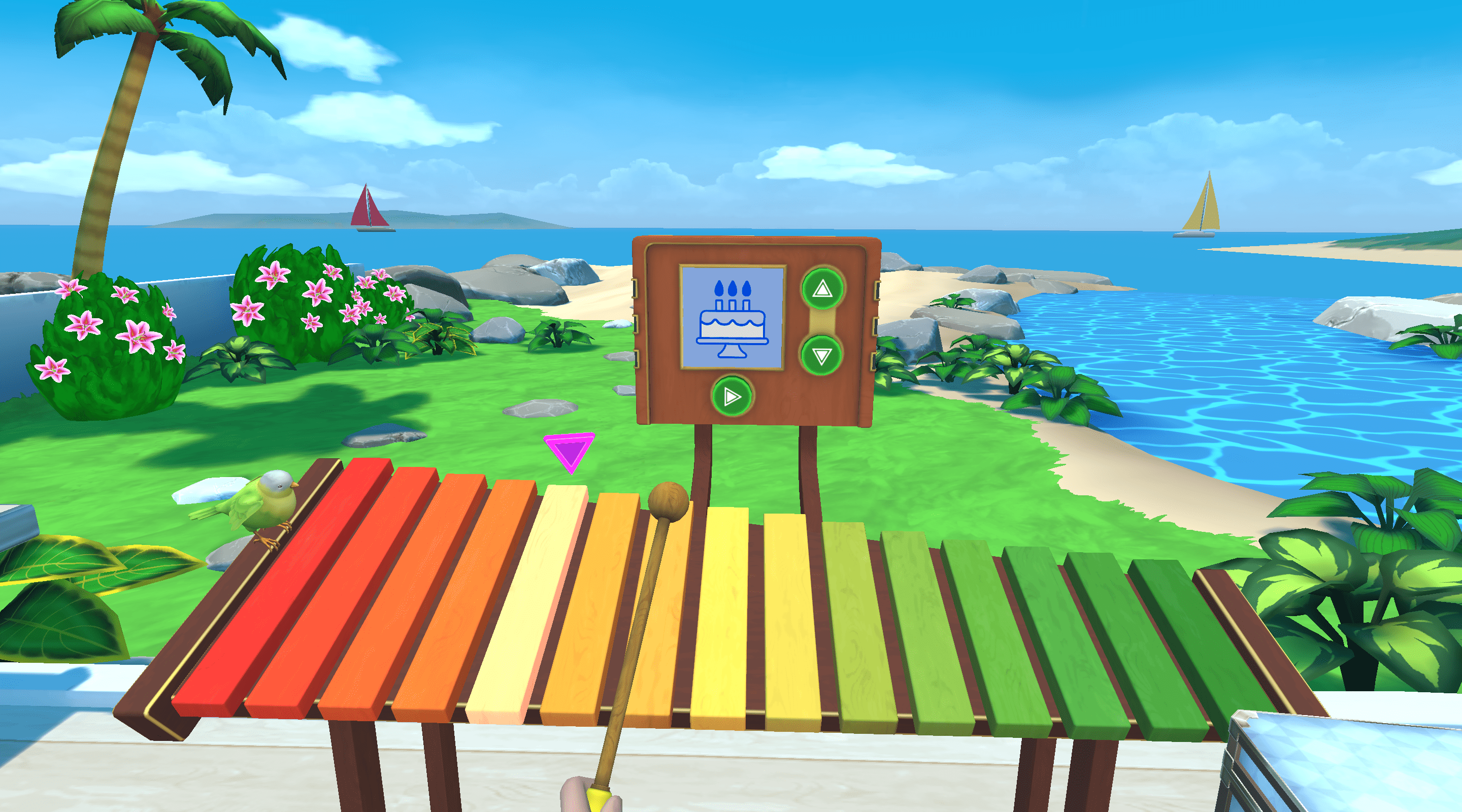
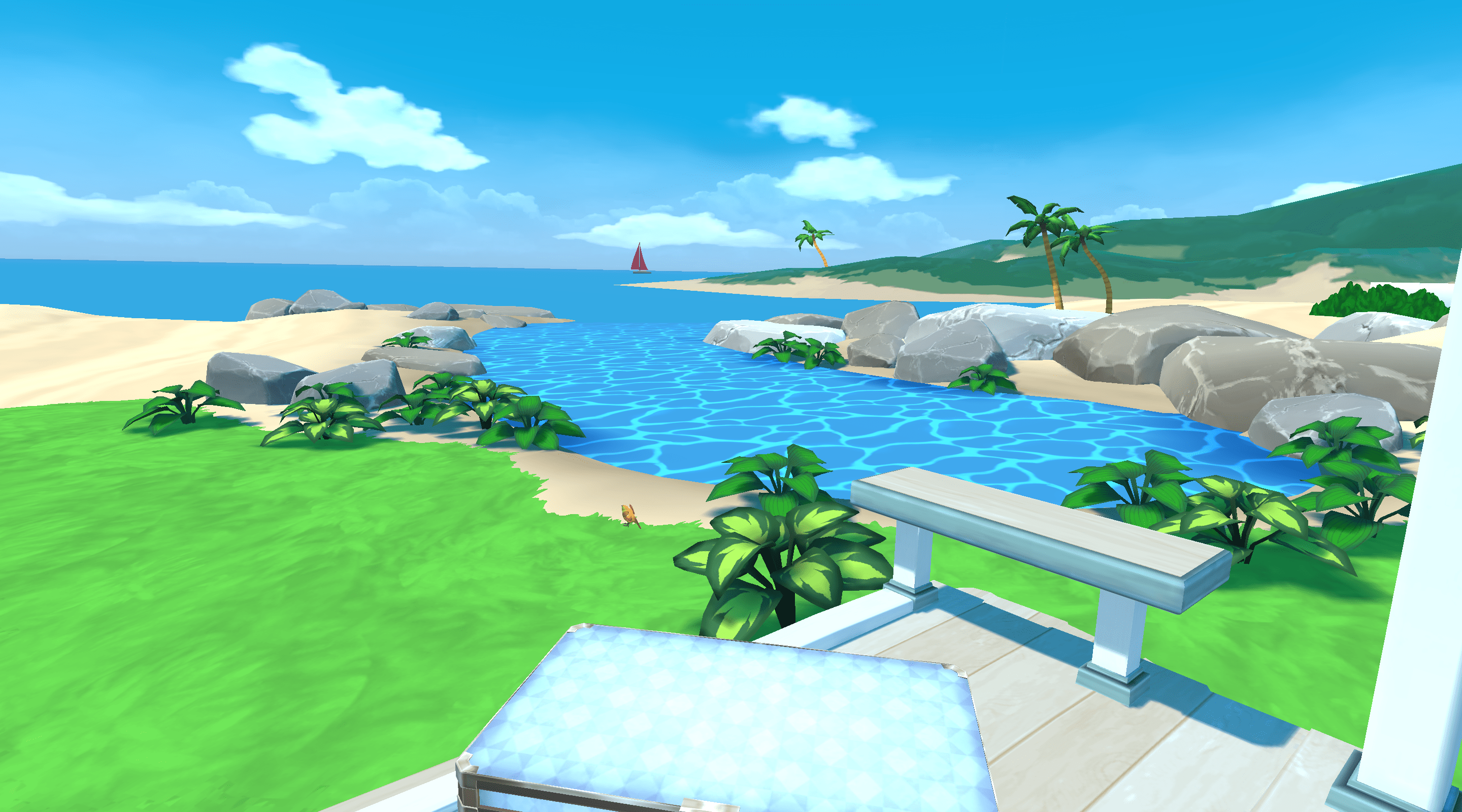
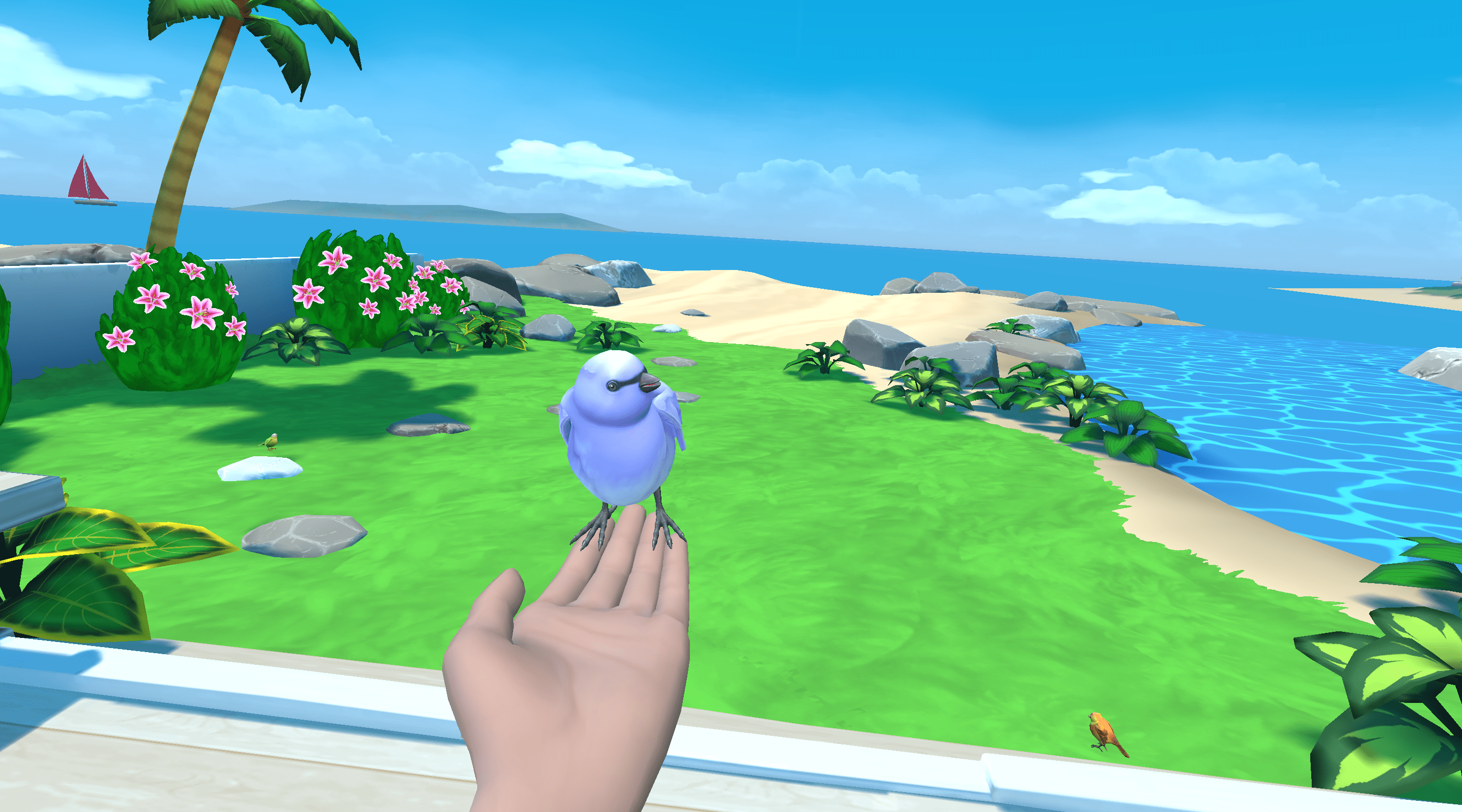
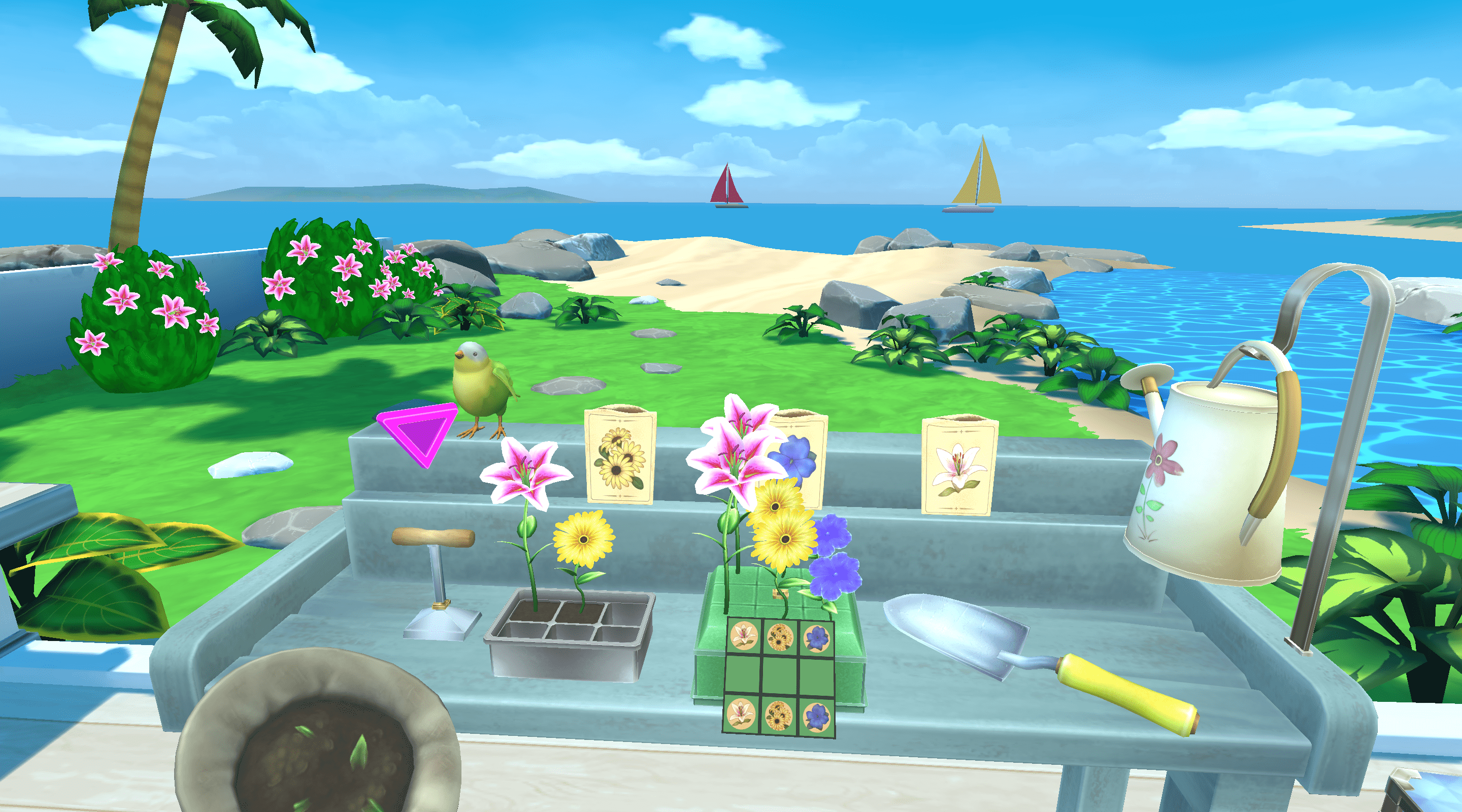
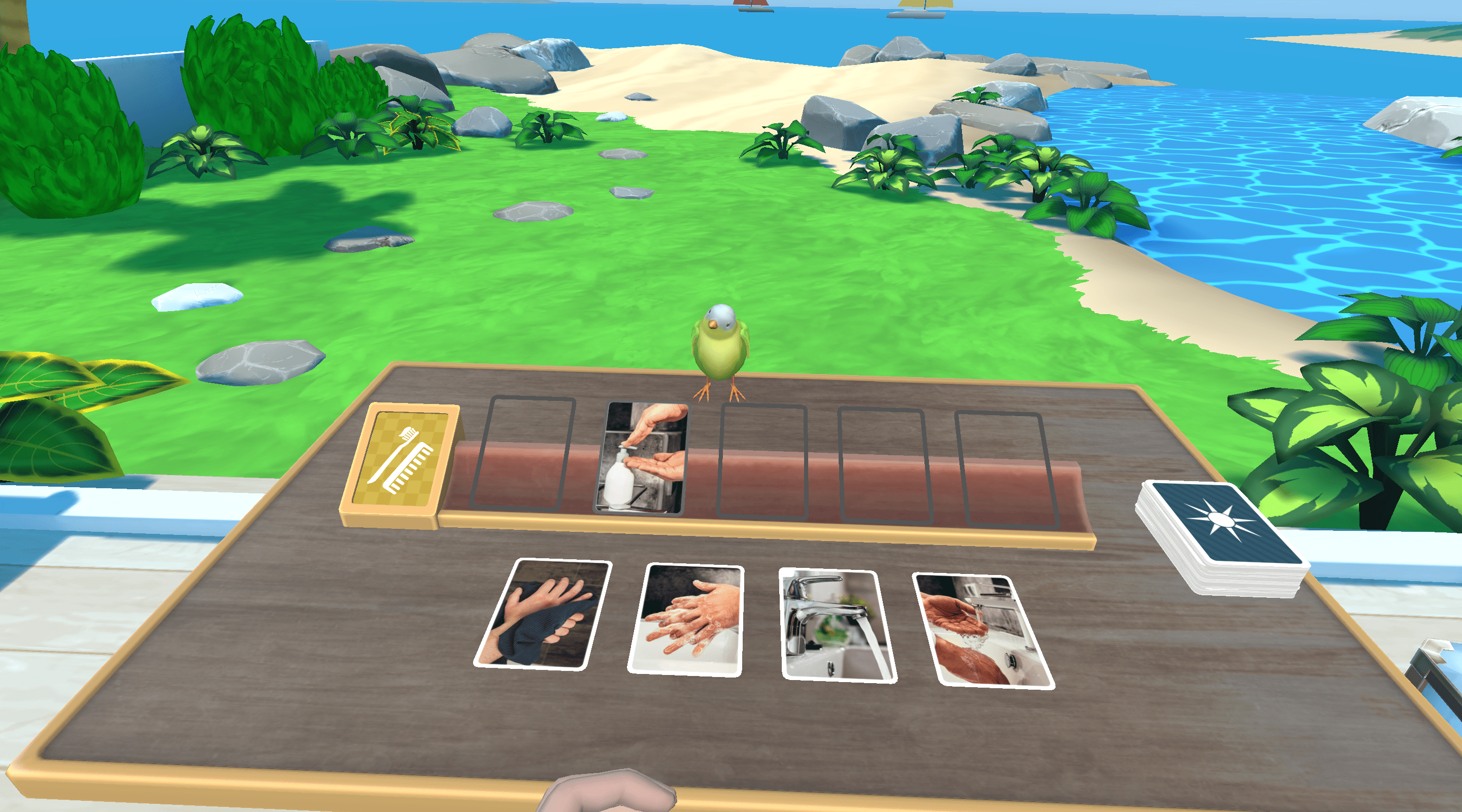
Pleasant Cove is a therapeutic VR experience developed by Schell Games in partnership with REAL Systems (a division of Penumbra). Designed for the REAL Immersive System, the project serves as a rehabilitation tool for adults dealing with cognitive impairments, including symptoms of dementia. Built on the Unreal Engine, the game transports patients to a tranquil beach house environment where they engage in "intrinsically motivating" activities. These tasks are designed to address deficits in attention, memory, psychomotor skills, and sequencing. By utilizing a tablet-based TherapyView interface, therapists can customize the experience in real-time, focusing on the core design pillar: "turning a bad day into a good one" through positive emotional impact.
- Schell Games
- Penumbra
- REAL Systems
- Cognitive rehabilitation
- dementia symptom management
- attention and memory training
- Tranquil beach house setting
- "Magical" VR moments
- TherapyView (tablet-based therapist interface)
- Service and support for REAL System products ended in 2024
- What is the primary "Challenge" Pleasant Cove was designed to solve?
- The challenge was to create a VR experience that was calming and relaxing while still providing structured tasks that could challenge a patient’s cognitive abilities. It needed to motivate patients who might otherwise be reluctant to engage in traditional physical or cognitive therapy.
- How does the therapist interact with the patient's VR world?
- Therapists use a tablet-based interface called TherapyView. This allows the therapist to see what the patient is seeing, select specific activities, and adjust the level of difficulty in real-time to match the patient’s progress and needs.
- What specific cognitive skills does the game target?
- The activities in the beach house focus on several key areas: Attention: Focusing on specific objects or tasks in the environment. Memory: Recalling where objects are or the order of steps in an activity. Psychomotor Skills: Using physical movements to interact with the virtual world. Sequencing: Completing tasks that require a specific order of operations (e.g., preparing a simple meal or organizing a shelf).
- Why was a "Beach House" chosen as the setting?
- A beach house provides a familiar, non-threatening, and inherently relaxing environment. For patients with dementia, familiar settings can help reduce anxiety and "sundowning" symptoms, making them more open to the therapeutic benefits of the activities.
- What was the "Design Pillar" of the project?
- The team focused on positive emotional impact. The internal goal was to "turn a bad day into a good one," using the immersive and "magical" nature of VR to lift a patient's mood while simultaneously providing valuable medical rehabilitation.
- Is Pleasant Cove still available for purchase?
- No. The portfolio page contains a legacy note stating that REAL System products are currently not available, with all service and support having ended in 2024. However, it remains a key example of Schell Games' work in the healthcare industry.
Gallery