Deep Time Detectives
Project Type
Client ProjectClient/Partner
Twin Cities Public Television, Smithsonian National Museum of Natural HistoryGenre
EducationalGame Engine
UnityPlatform
Virtual Reality, Desktop, Location-basedTarget Audience
FamilyOverview
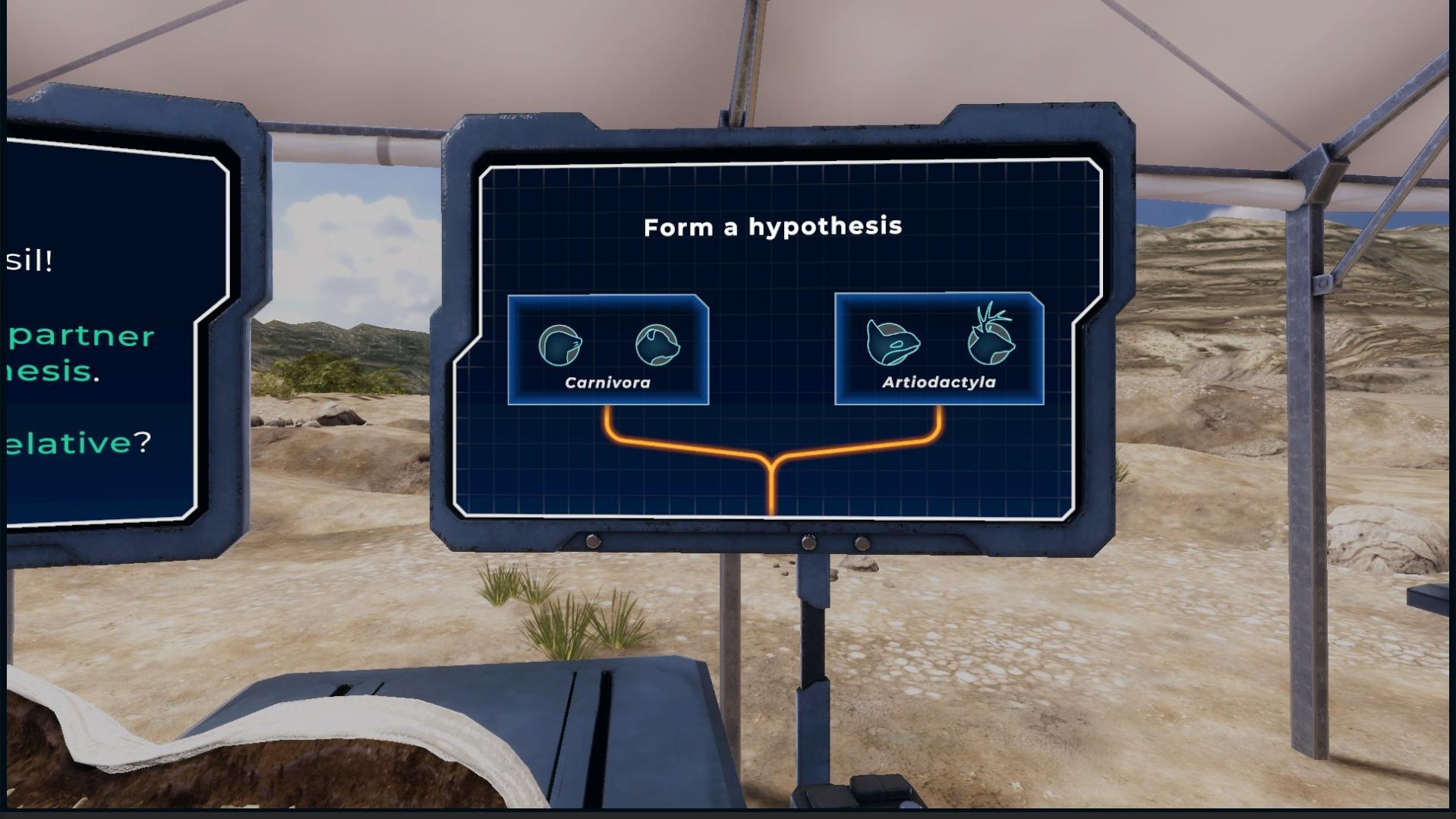
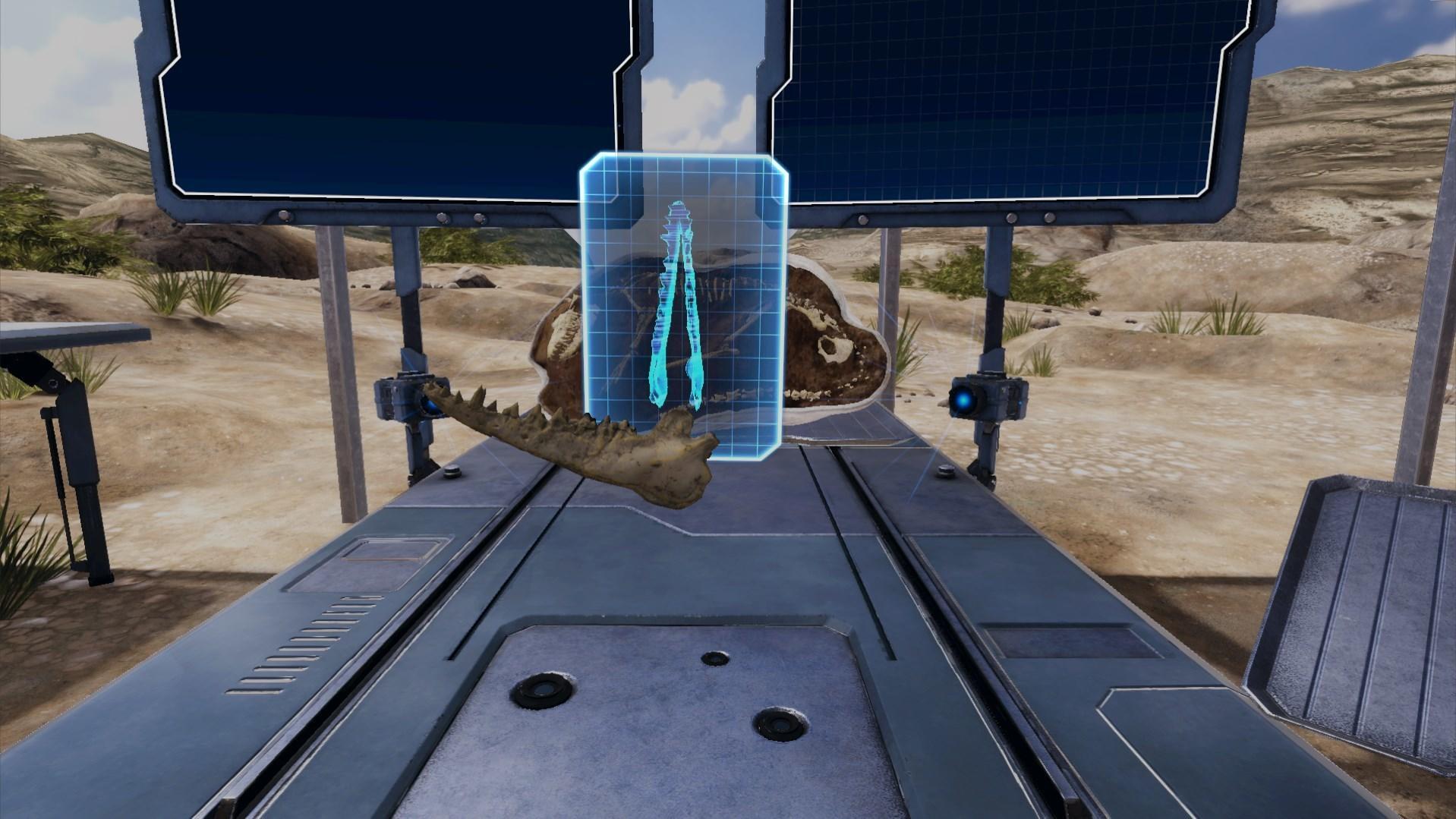
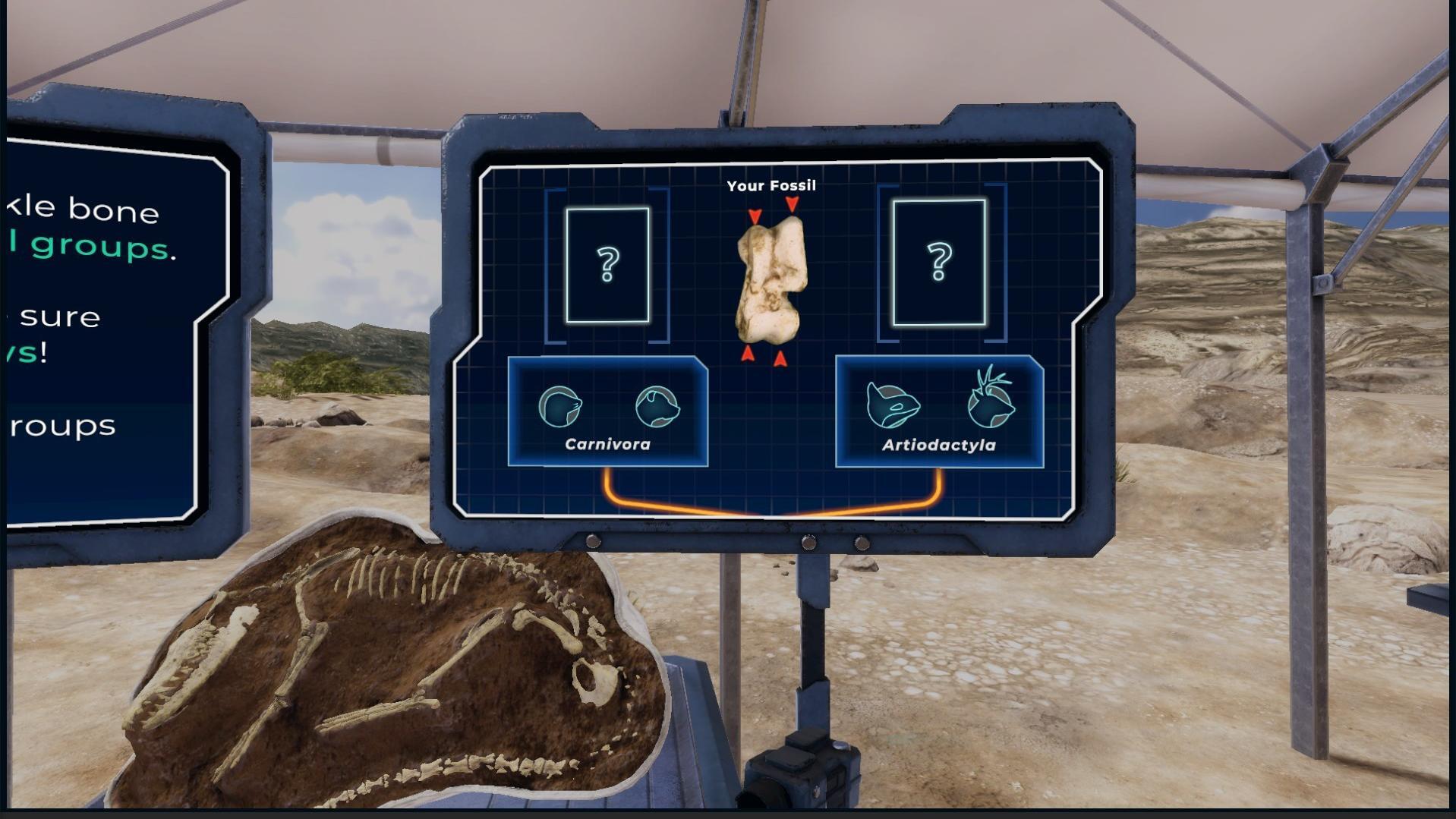
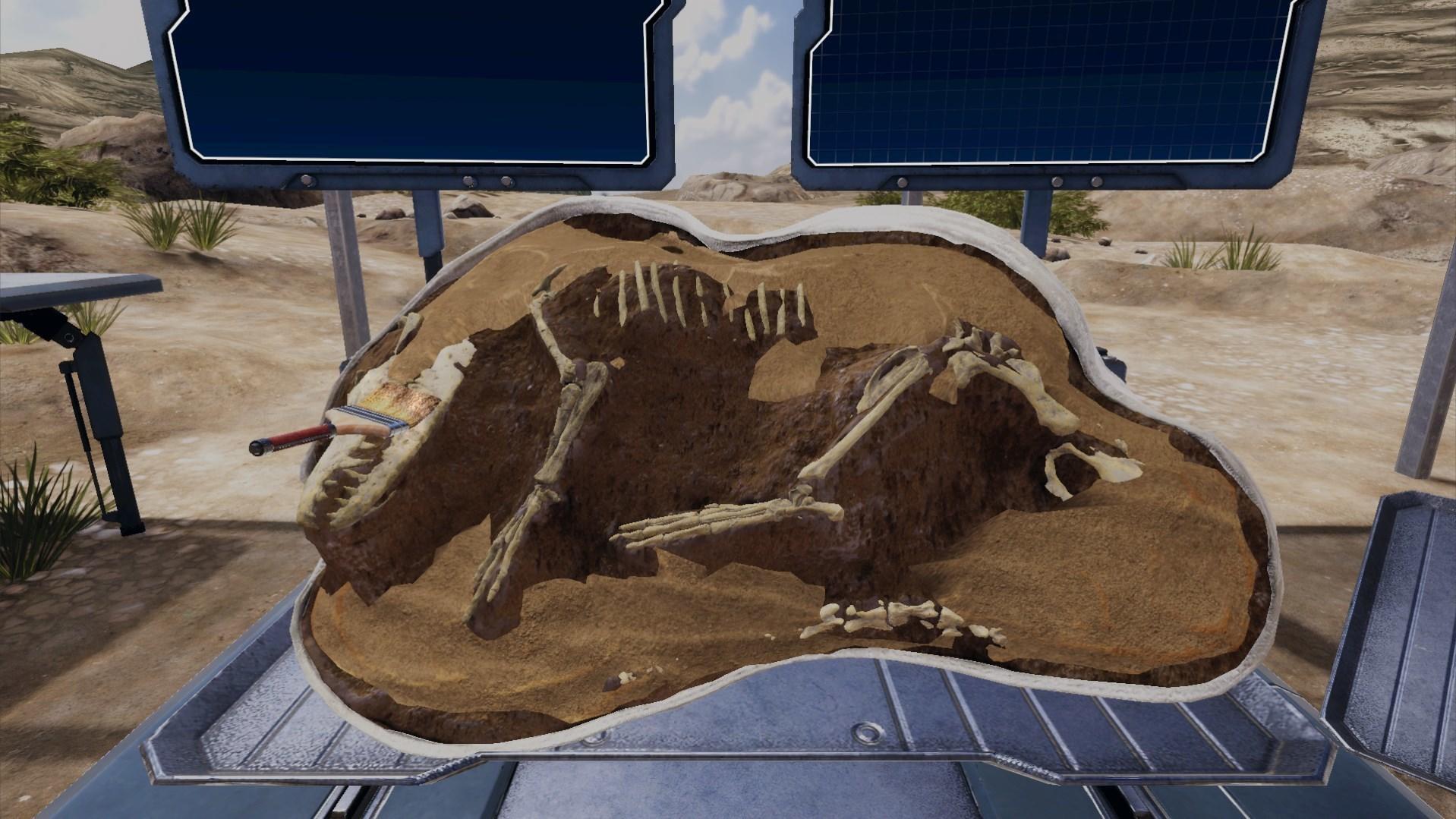
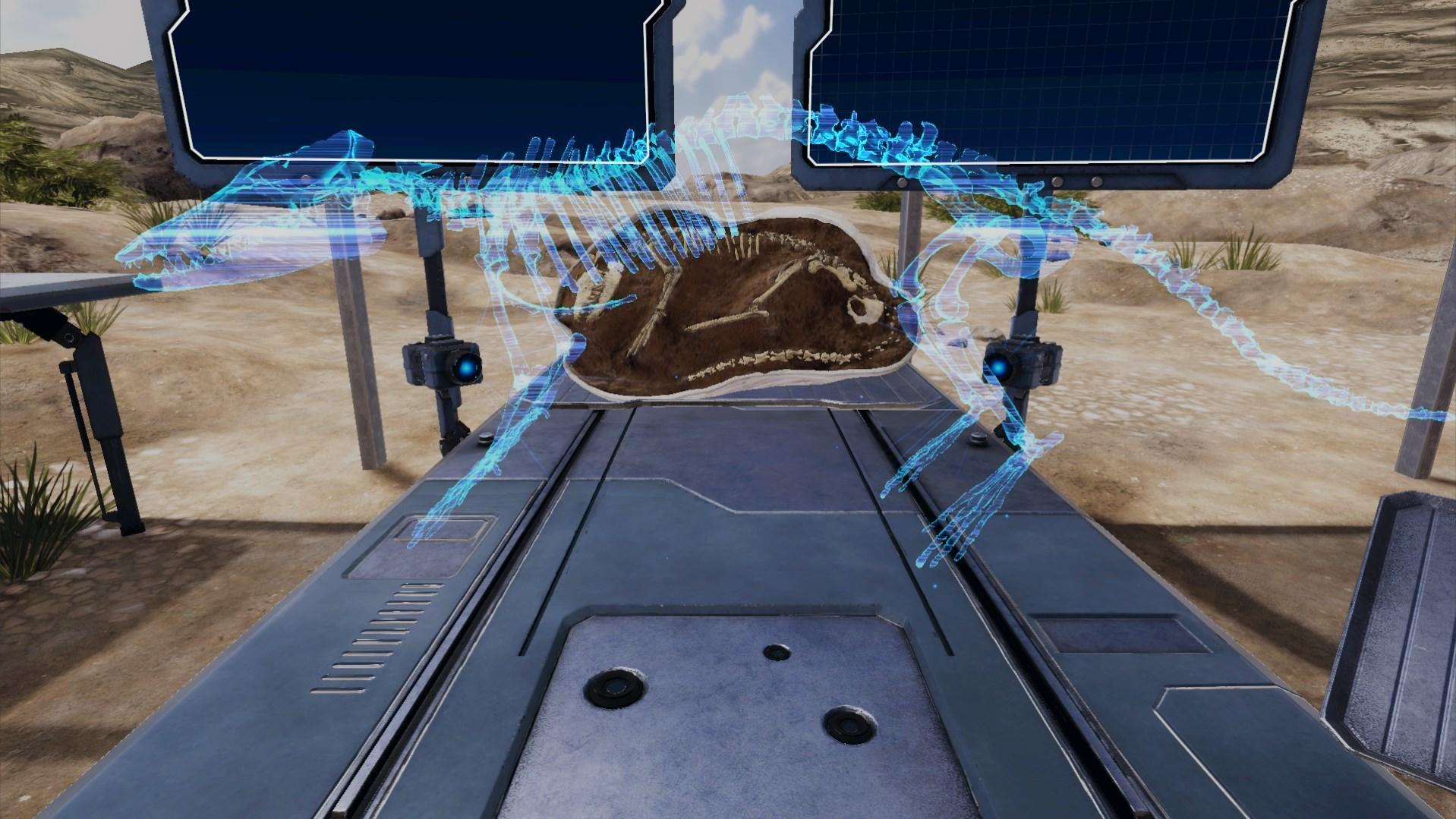
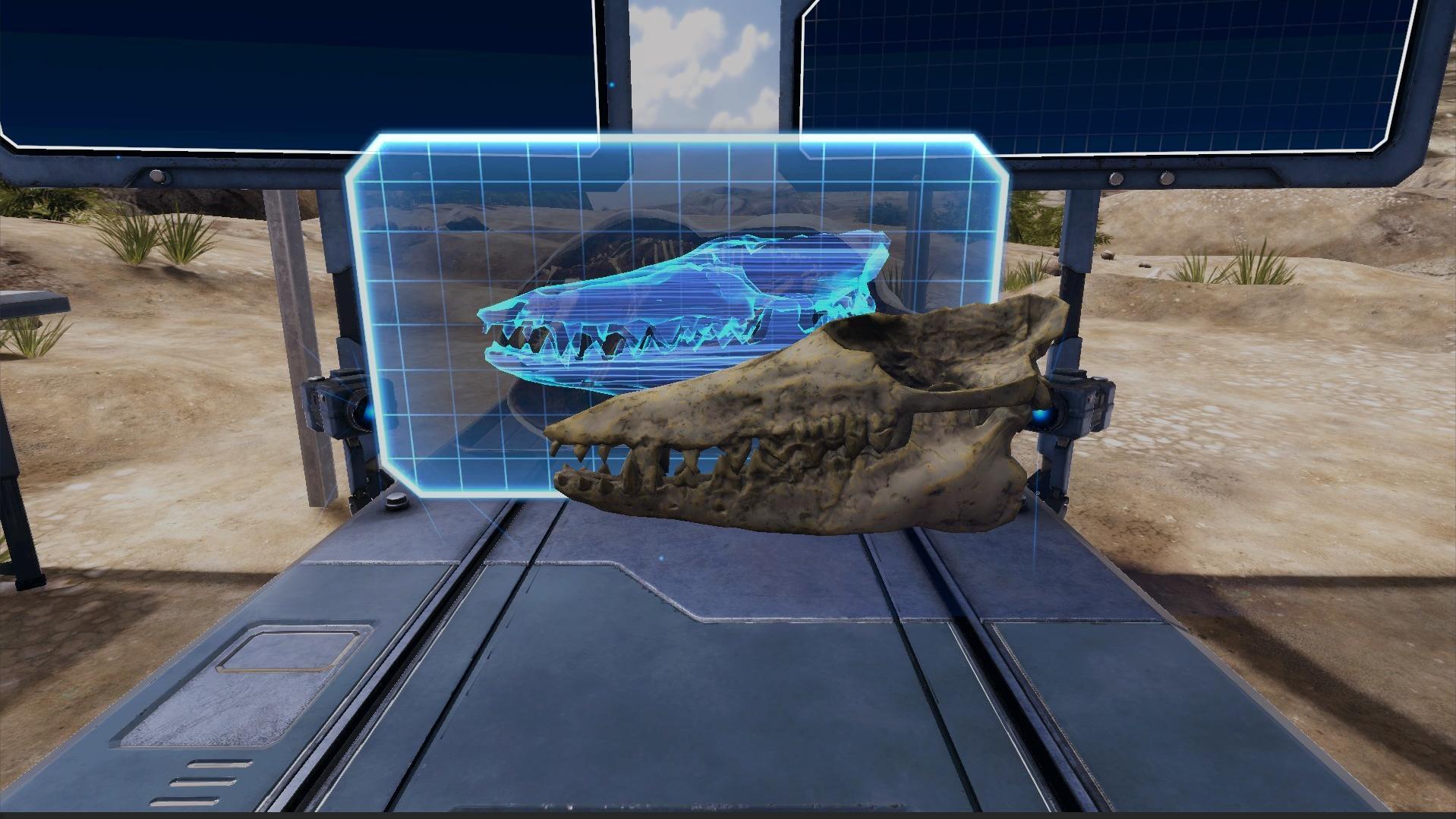
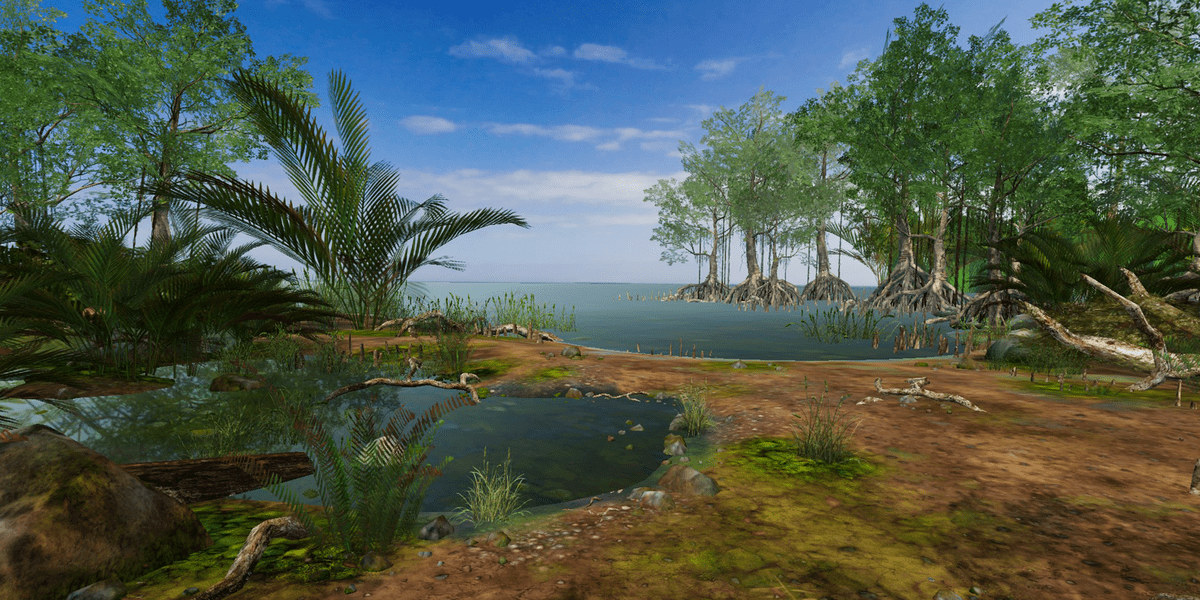
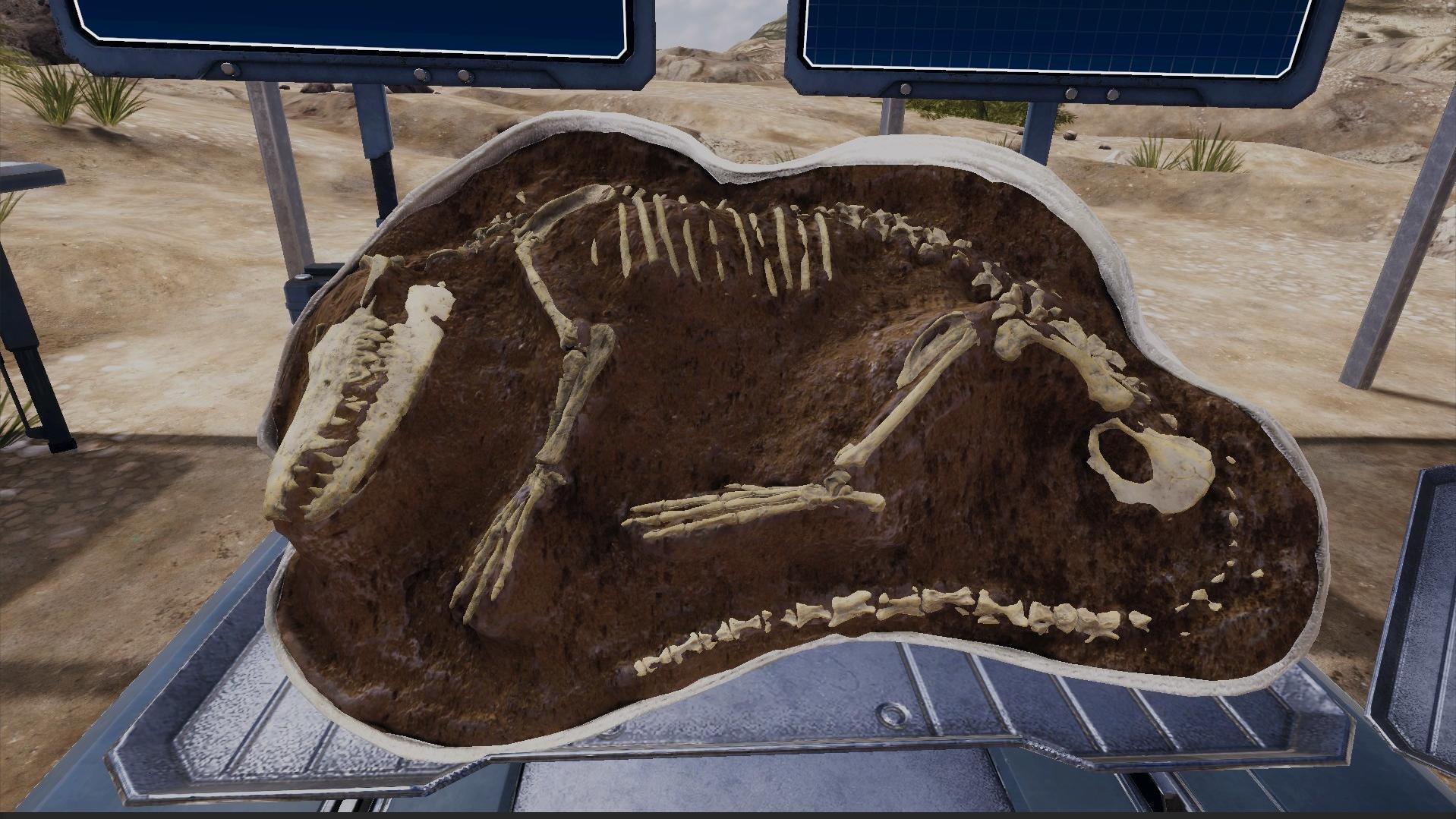
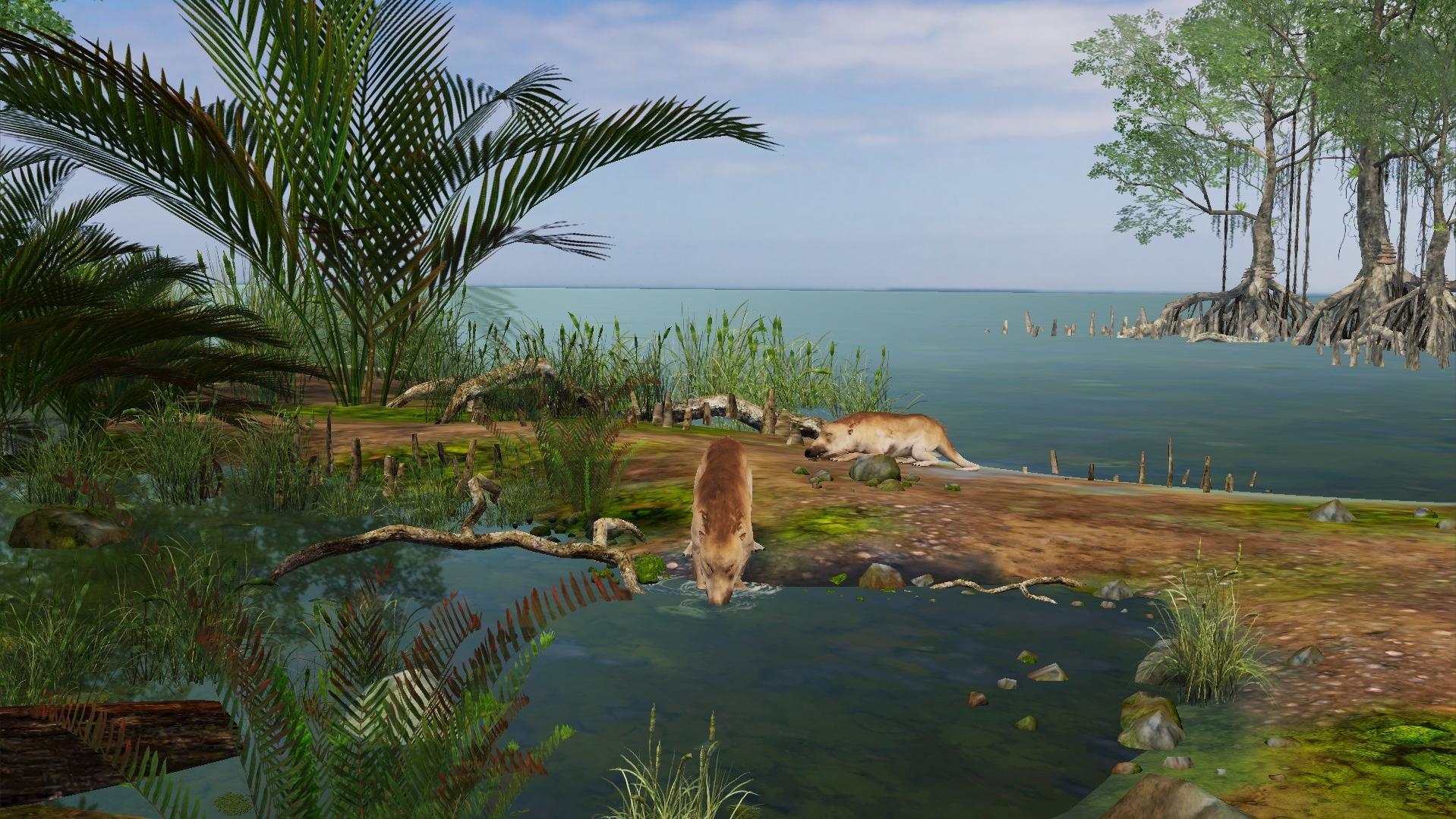
Deep Time Detectives is a multi-platform educational experience developed by Schell Games in partnership with Twin Cities Public Television (TPT) and the Smithsonian National Museum of Natural History. Built on the Unity engine, the project is designed for Virtual Reality (VR), Desktop, and Location-based museum installations. Players step into the role of "detectives" traveling through "deep time"—the vast timeline of Earth's history—to investigate prehistoric ecosystems. By examining fossils, observing extinct creatures in their natural habitats, and solving environmental mysteries, players learn how scientists reconstruct the past. The project serves as a digital extension of the Smithsonian's "Deep Time" fossil hall, making complex geological and biological concepts accessible to families.
- Schell Games
- Smithsonian National Museum of Natural History
- TPT
- Deep time
- Paleontology
- Fossil record
- Earth's geological timeline
- Environmental investigation
- fossil scanning
- time travel
- clue gathering
- Location-based interactive kiosks
- What exactly is "Deep Time"?
- "Deep Time" refers to the concept of geologic time—the multi-billion-year history of the Earth. It is a scale that is often difficult for humans to grasp. The game helps visualize this by allowing players to jump between specific "snapshots" in history, such as the Cretaceous or the Eocene, to see how the planet has changed over millions of years.
- How do players act as "Detectives"?
- The gameplay is built around the Scientific Method. Players are given a mystery—such as why a certain species went extinct or how a specific environment changed. To solve it, they must "interrogate" the environment: scanning fossils, looking for tracks, and analyzing the flora and fauna to piece together evidence of past life.
- Is there a connection to the physical Smithsonian Museum?
- Yes. The project was designed to complement the David H. Koch Hall of Fossils at the Smithsonian. While the physical museum displays real bones and fossils, Deep Time Detectives provides the biological context, showing what those animals looked like, how they moved, and the vibrant worlds they inhabited.
- What is the benefit of the VR version of this experience?
- The VR version allows for immersion in scale. In a textbook, a dinosaur is just a picture; in VR, the player can stand next to a life-sized Mastodon or T-Rex. This spatial awareness helps students understand the sheer magnitude of prehistoric life and the environments they lived in.
- What are the primary learning objectives?
- The experience focuses on three pillars: Change Over Time: Understanding that Earth’s climate and life forms are constantly evolving. Interconnectivity: How animals, plants, and ecosystems are dependent on one another. Human Impact: Learning from the past to understand our current and future relationship with the planet.
Gallery