Race for the Beach
Project Type
Client ProjectClient/Partner
SeaWorld Parks and EntertainmentGenre
Educational, CasualGame Engine
UnityPlatform
Location-basedTarget Audience
FamilyOverview
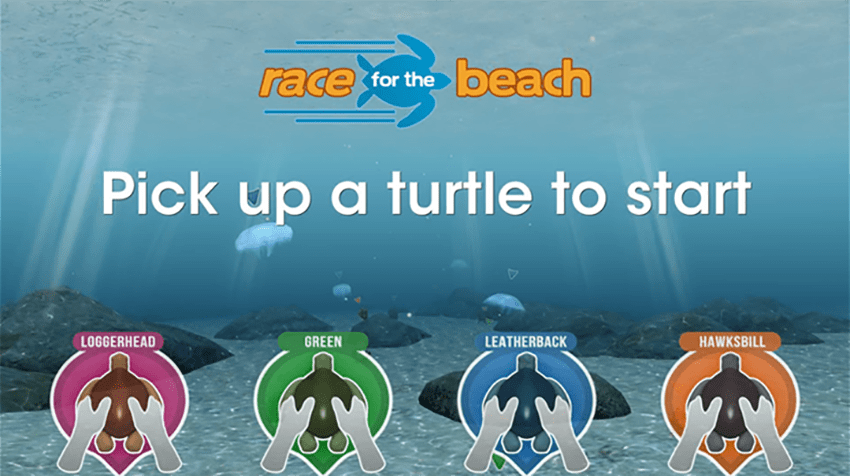
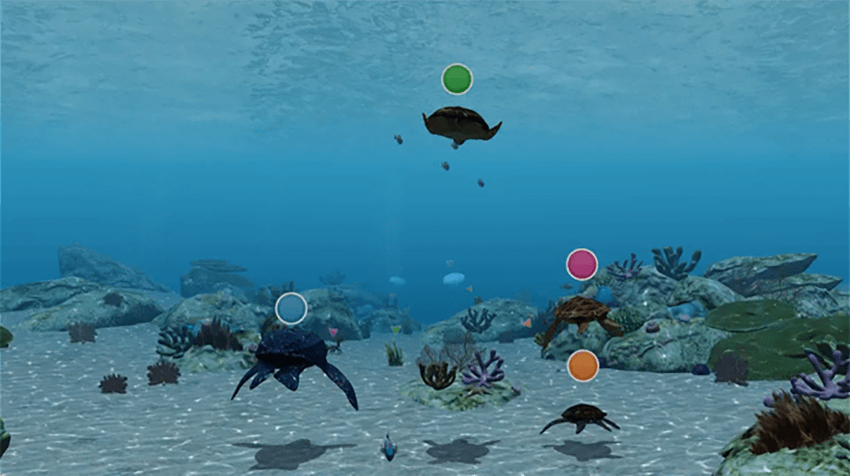
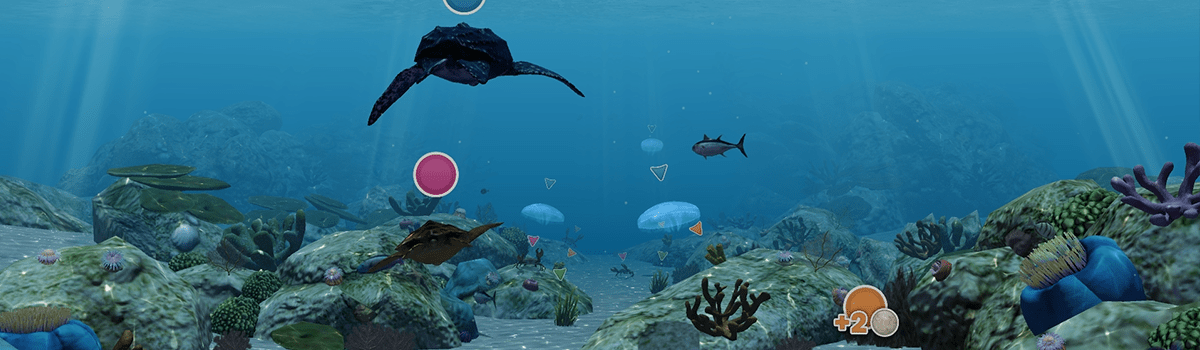
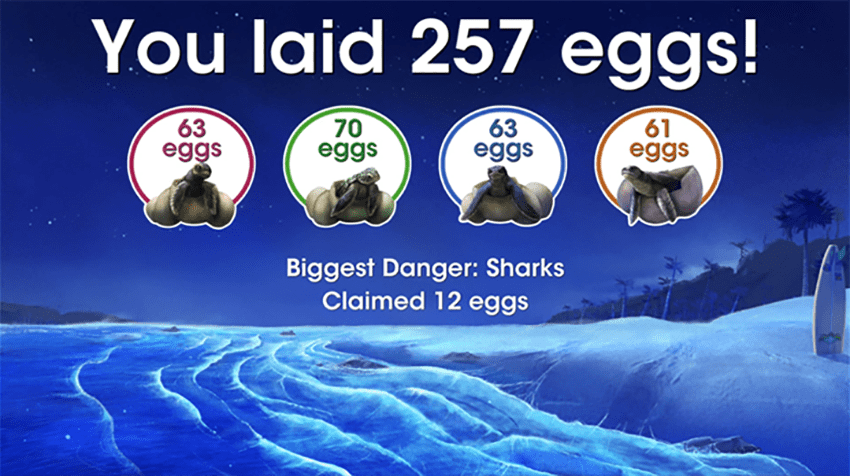
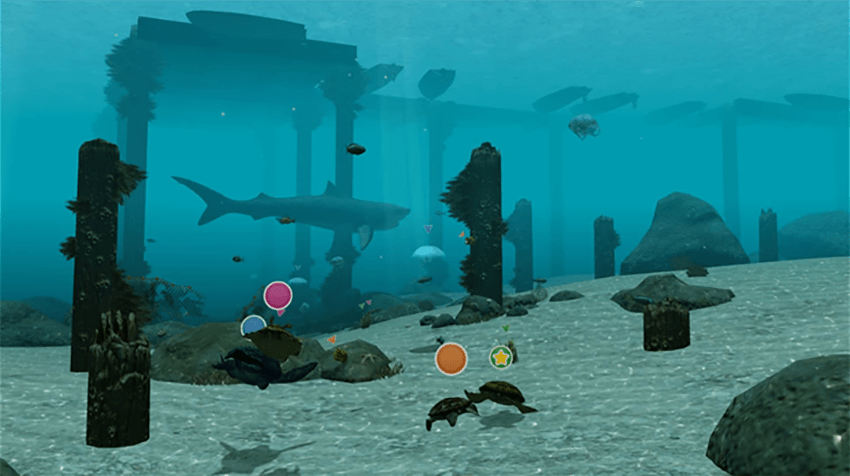
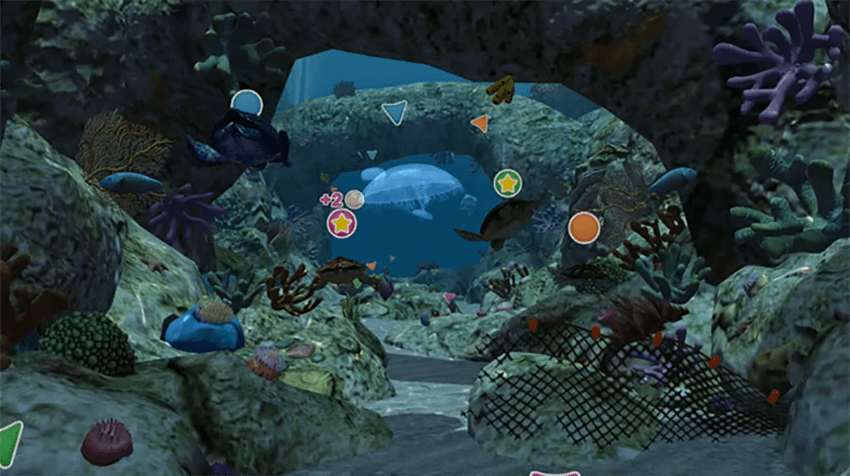
Race for the Beach is a location-based educational game developed by Schell Games for SeaWorld Parks and Entertainment. Built on the Unity engine, this interactive attraction is designed for a family audience and is typically installed near sea turtle exhibits. The game simulates the perilous journey of sea turtle hatchlings as they race from their nests to the safety of the ocean. Players use physical consoles or touchscreens to navigate their turtles past various obstacles—both natural, like predators, and man-made, like beach litter and light pollution. By gamifying the survival challenges faced by marine life, the project aims to build empathy and awareness for ocean conservation in a fun, high-energy environment.
- Schell Games
- SeaWorld Parks and Entertainment
- Survival racing
- obstacle avoidance
- collaborative/competitive play
- Sea turtle life cycles
- marine conservation
- human impact on ecosystems
- What is the biological concept behind the game?
- The game is based on the hatchling frenzy. When sea turtles hatch, they must quickly navigate across the sand to the water. This is the most dangerous time in a turtle's life, as they are vulnerable to dehydration and predators. The game mimics this high-stakes "race" to illustrate the concept of survival rates in the wild.
- What kind of obstacles do players face?
- The obstacles represent real-world threats: Natural: Avoiding crabs, birds, and pits in the sand. Human-induced: Navigating around trash (plastic) and dealing with light pollution. In the real world, hatchlings use the reflection of the moon on the water to find the ocean; artificial lights from buildings can disorient them and lead them away from the sea.
- How is the game played in a theme park setting?
- Because it is a Location-based project, it is designed for high throughput. Multiple players can compete simultaneously at a large interactive station. This encourages "co-opetition," where families play together, often leading to discussions about the animals they just saw in the nearby live exhibits.
- What is the "Call to Action"?
- Like many of Schell Games' projects for SeaWorld (such as Mission: Deep Discovery), the game ends with practical tips for guests. It translates the digital experience into real-world behavior, such as picking up litter at the beach or using turtle-friendly lighting during nesting season.
Gallery