E.G.G. Quest
Project Type
Client ProjectClient/Partner
CognoaGenre
Educational, Health & WellnessGame Engine
UnityPlatform
Mobile, Augmented RealityTarget Audience
Elementary SchoolOverview
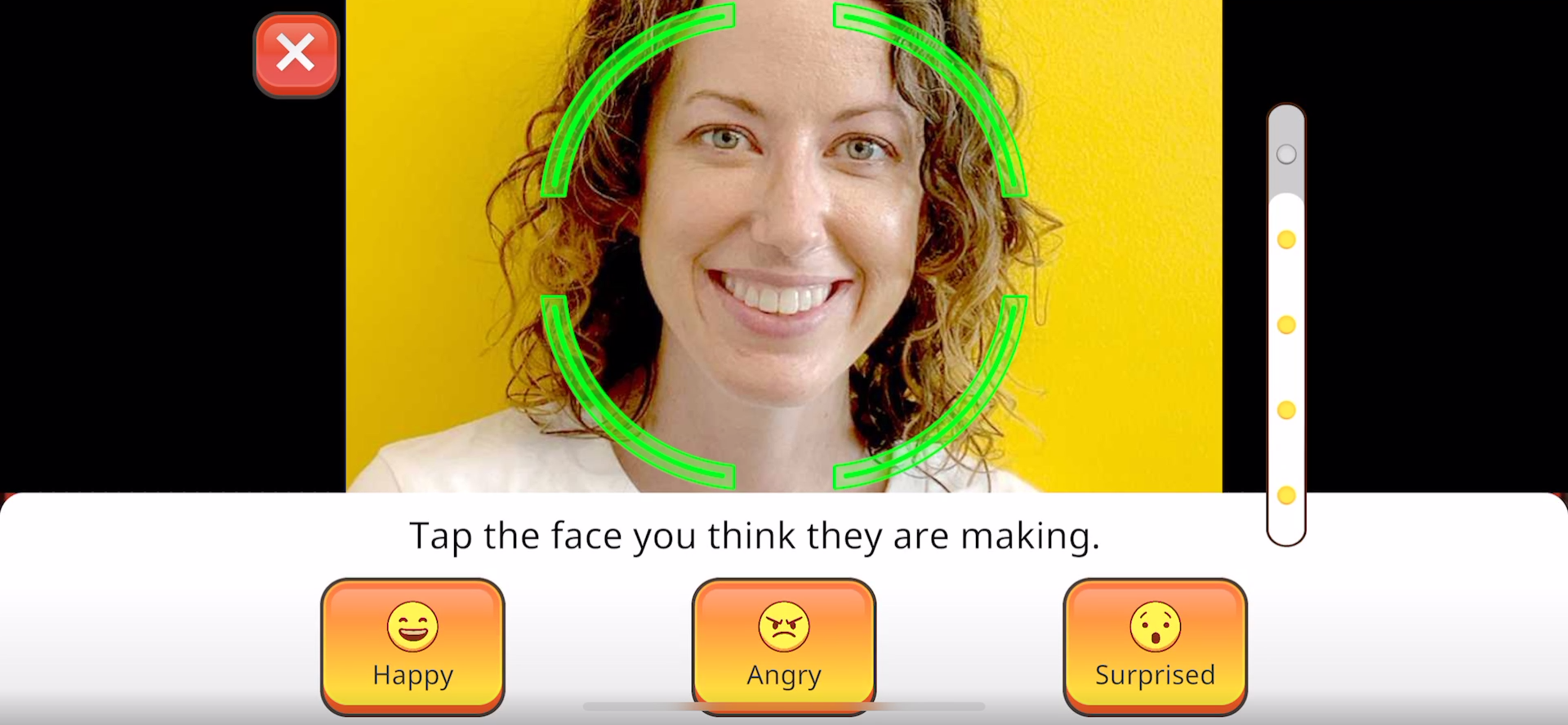
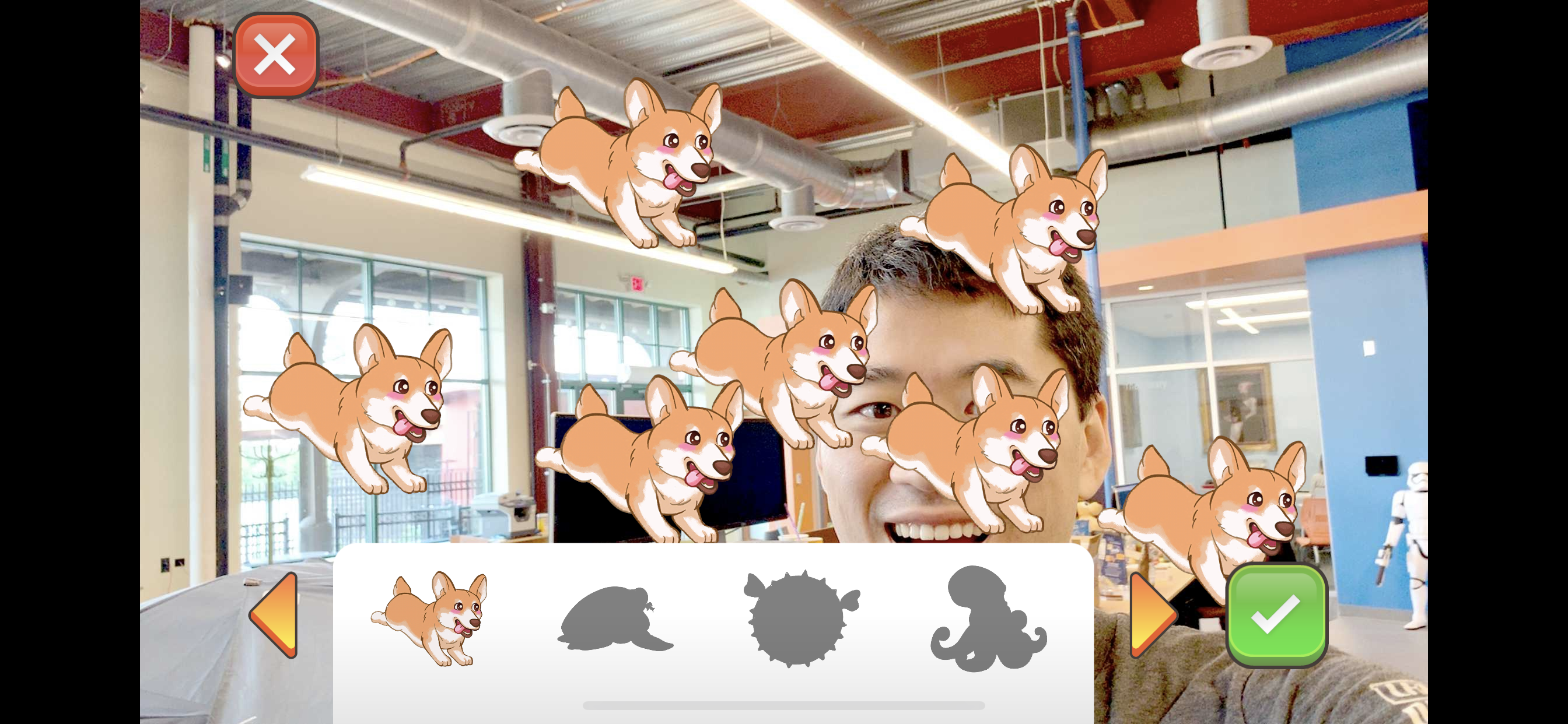
E.G.G. Quest is an augmented reality (AR) mobile experience developed by Schell Games in partnership with Cognoa. Built using the Unity engine, the project specifically addresses the needs of children with Autism Spectrum Disorder (ASD). The app utilizes a machine learning plugin developed by Stanford University to turn a child's mobile device into a tool for social-emotional learning. Children take on the role of an "Egg Hunter," using the camera to "hunt" for specific emotions on the faces of parents, caregivers, or therapists. When the software recognizes a smile, frown, or other expression, it rewards the child with a digital egg. This "Transformational Game" aims to improve facial recognition and social engagement through playful, low-pressure interactions.
- Schell Games
- Cognoa
- Stanford University
- Augmented Reality (AR)
- Machine Learning
- Facial Expression Recognition
- Autism Spectrum Disorder (ASD)
- Social-Emotional Learning (SEL)
- Collection (Egg Hunting)
- real-world social interaction
- positive reinforcement
- What is the main problem E.G.G. Quest tries to solve?
- Many children with ASD struggle with social reciprocity and the ability to read non-verbal cues. Traditional therapy can sometimes feel clinical or stressful; E.G.G. Quest gamifies the process of "looking at faces" to make it a fun, shared activity between the child and a trusted adult.
- How does the "Egg Hunting" work?
- The game gives the child a prompt, such as "Find a happy face!" The child then points the tablet at their caregiver. The machine learning algorithm analyzes the caregiver's facial landmarks in real-time. If the caregiver smiles, the AR overlay "discovers" a digital egg on their face, which the child can then tap to collect.
- Why was Cognoa involved in the project?
- Cognoa is a pediatric behavioral health company. They provided the medical expertise and the specialized software plugin from Stanford. Schell Games' role was to take that high-level technology and wrap it in an engaging "game skin" that would appeal to young children and keep them motivated to practice.
- Is there a research component to this project?
- Yes. The portfolio notes that Cognoa planned a pilot study to measure the game's usability and effectiveness. This is typical of "Serious Games," where the goal is not just entertainment but a measurable clinical or educational outcome.
- What are the benefits of using Augmented Reality (AR) for this?
- AR is particularly effective here because it doesn't pull the child away from the real world. Unlike a standard video game where the child stares at a virtual world, E.G.G. Quest forces the child to look at the real people in their environment, using the screen as a bridge to facilitate real-world eye contact and social connection.
Gallery