S.E.C.R.E.T.
Overview
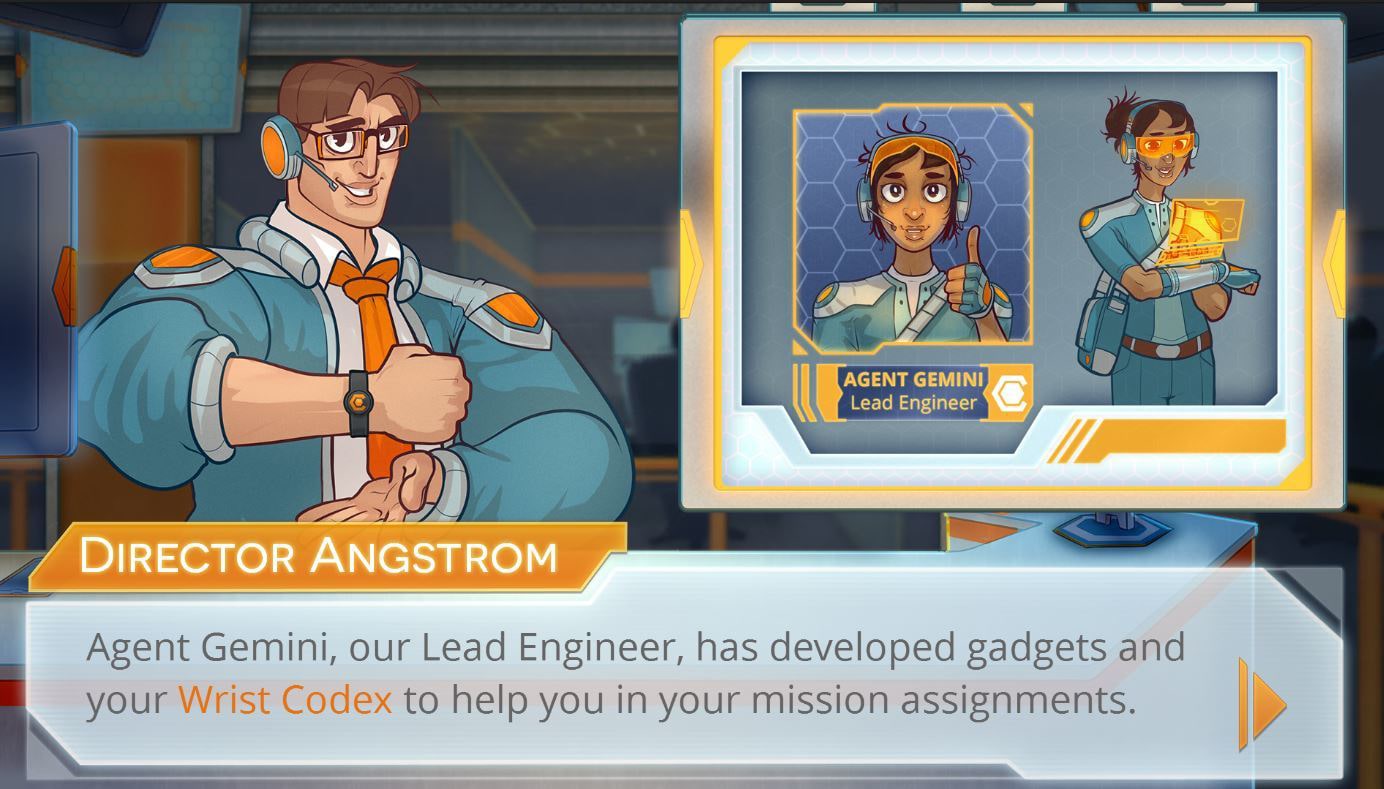
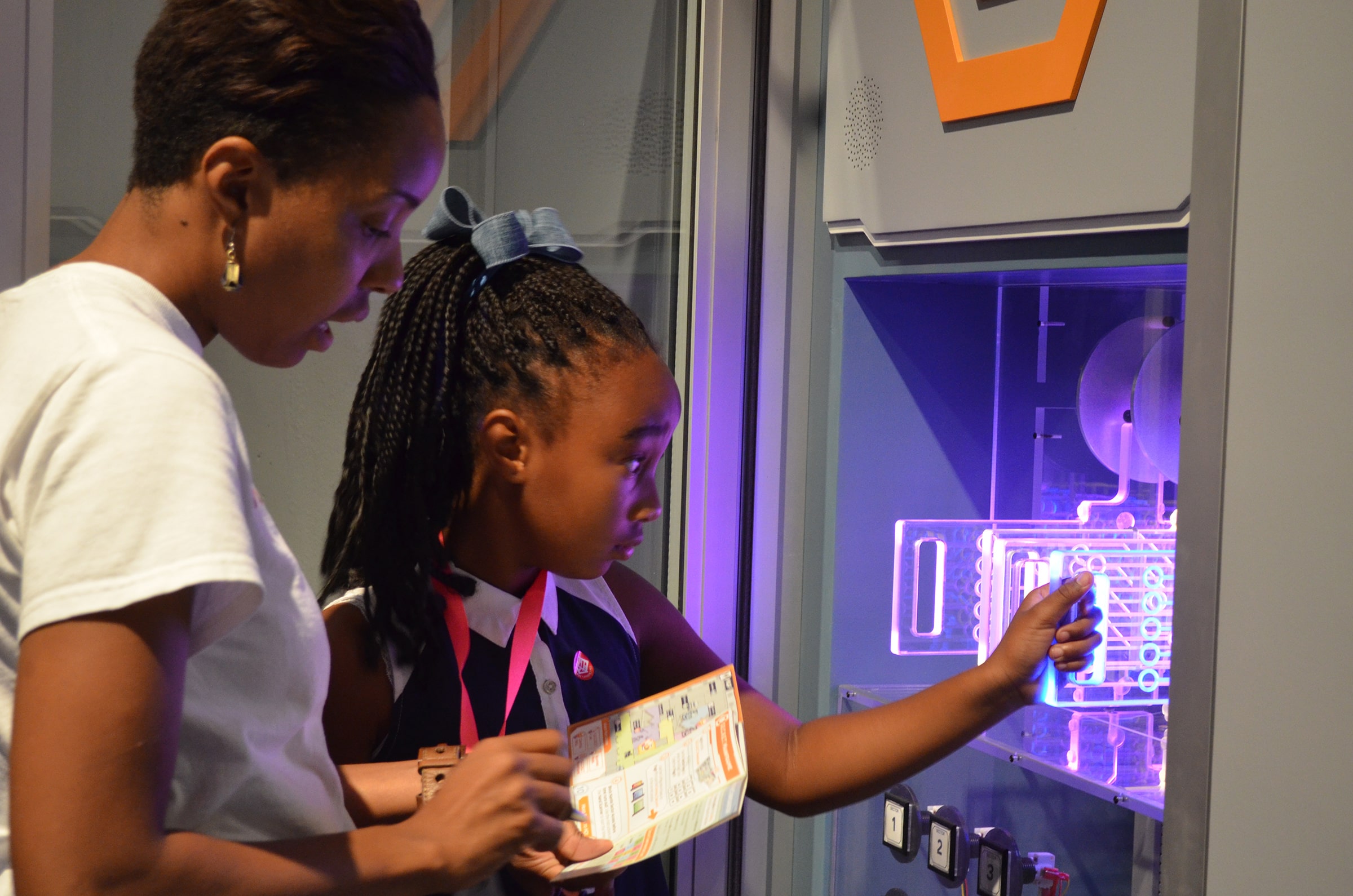
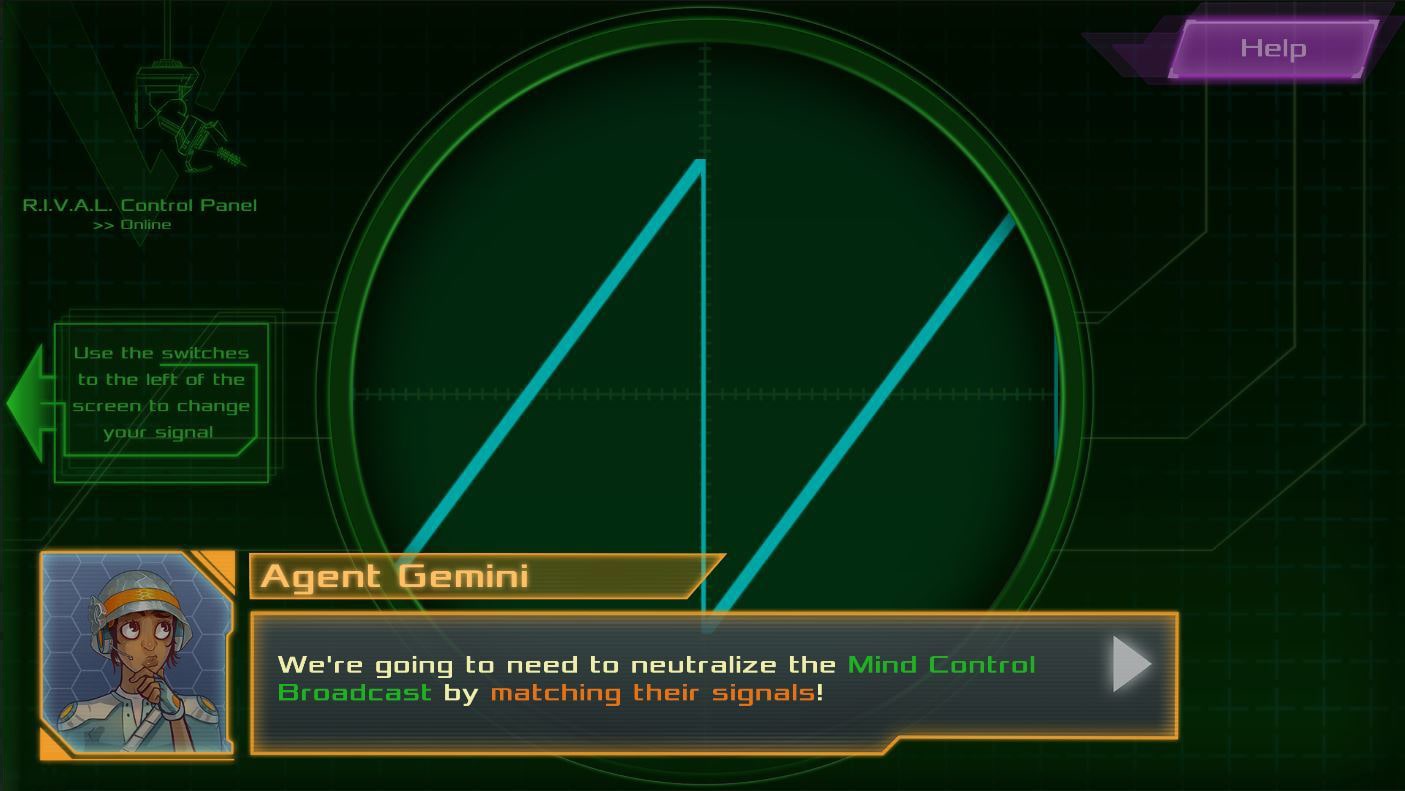
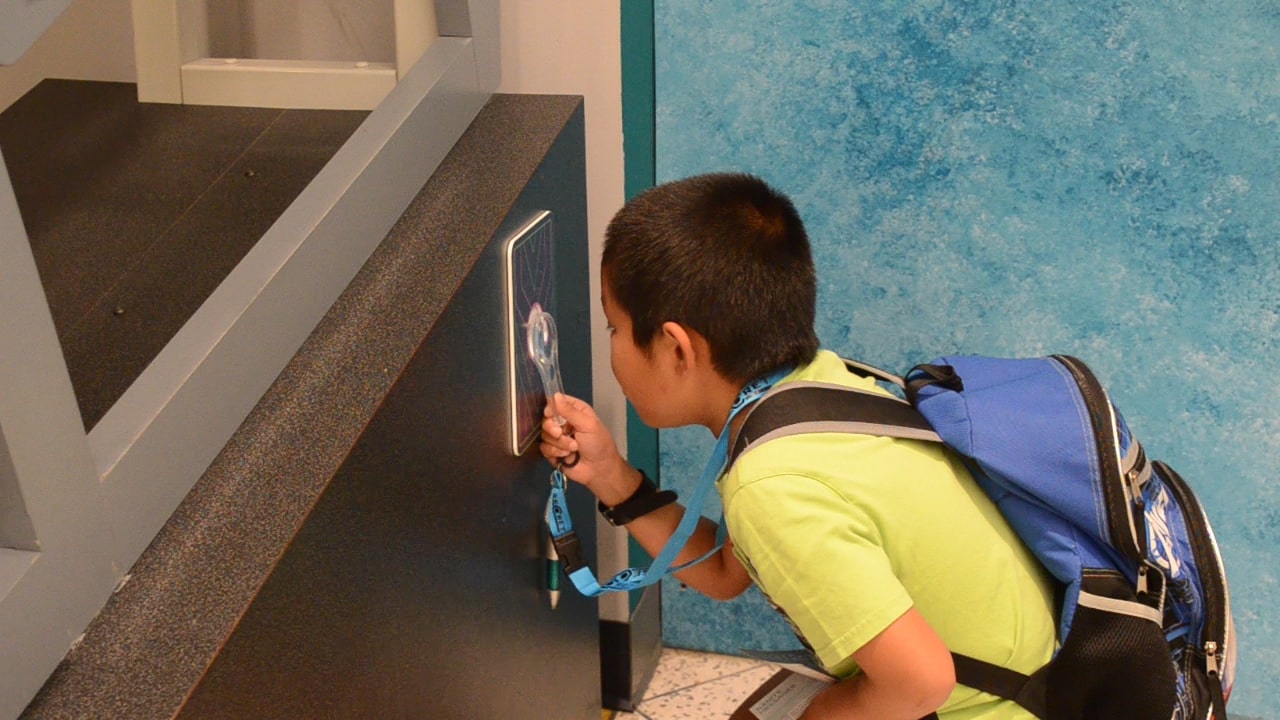
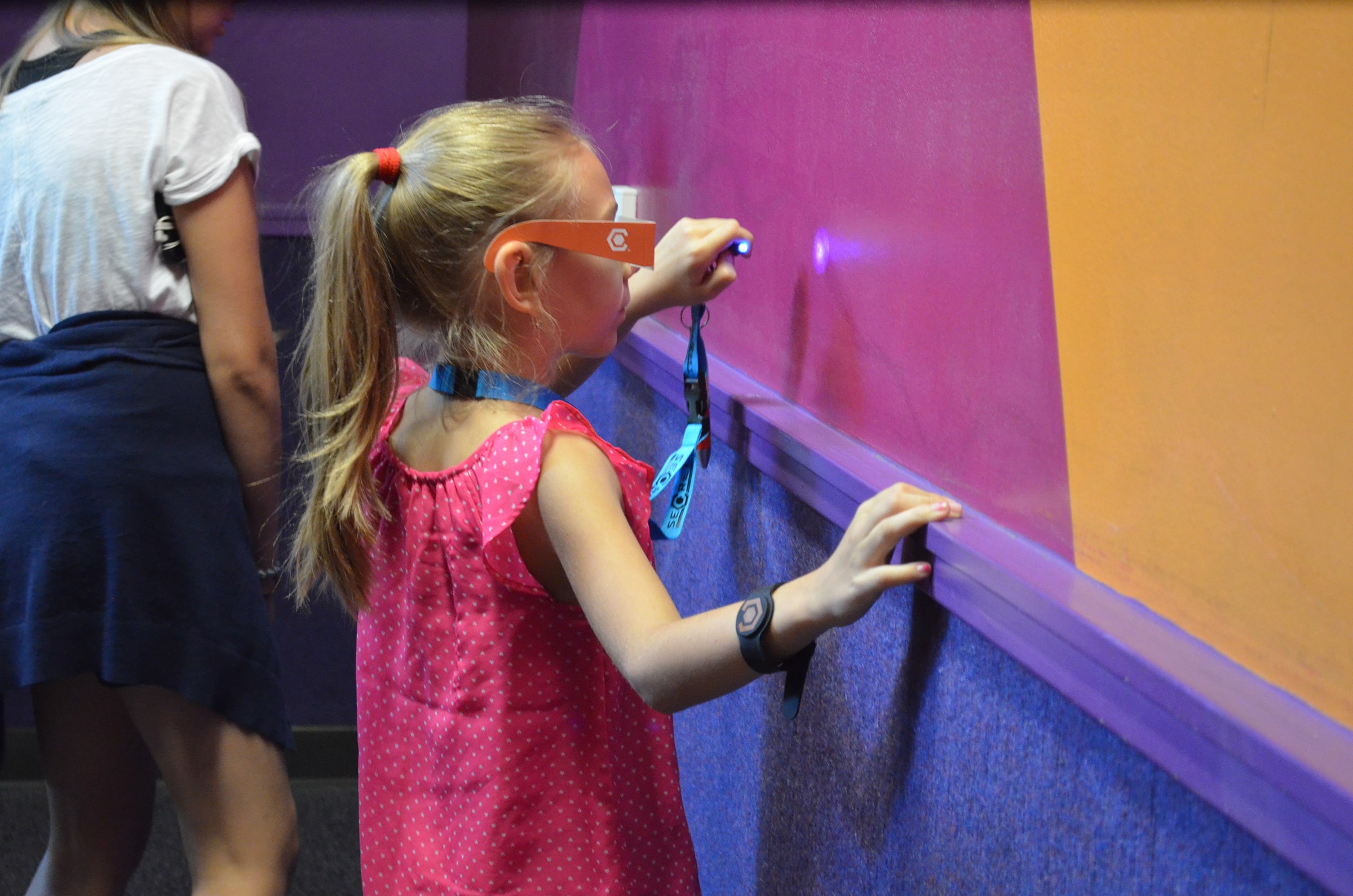
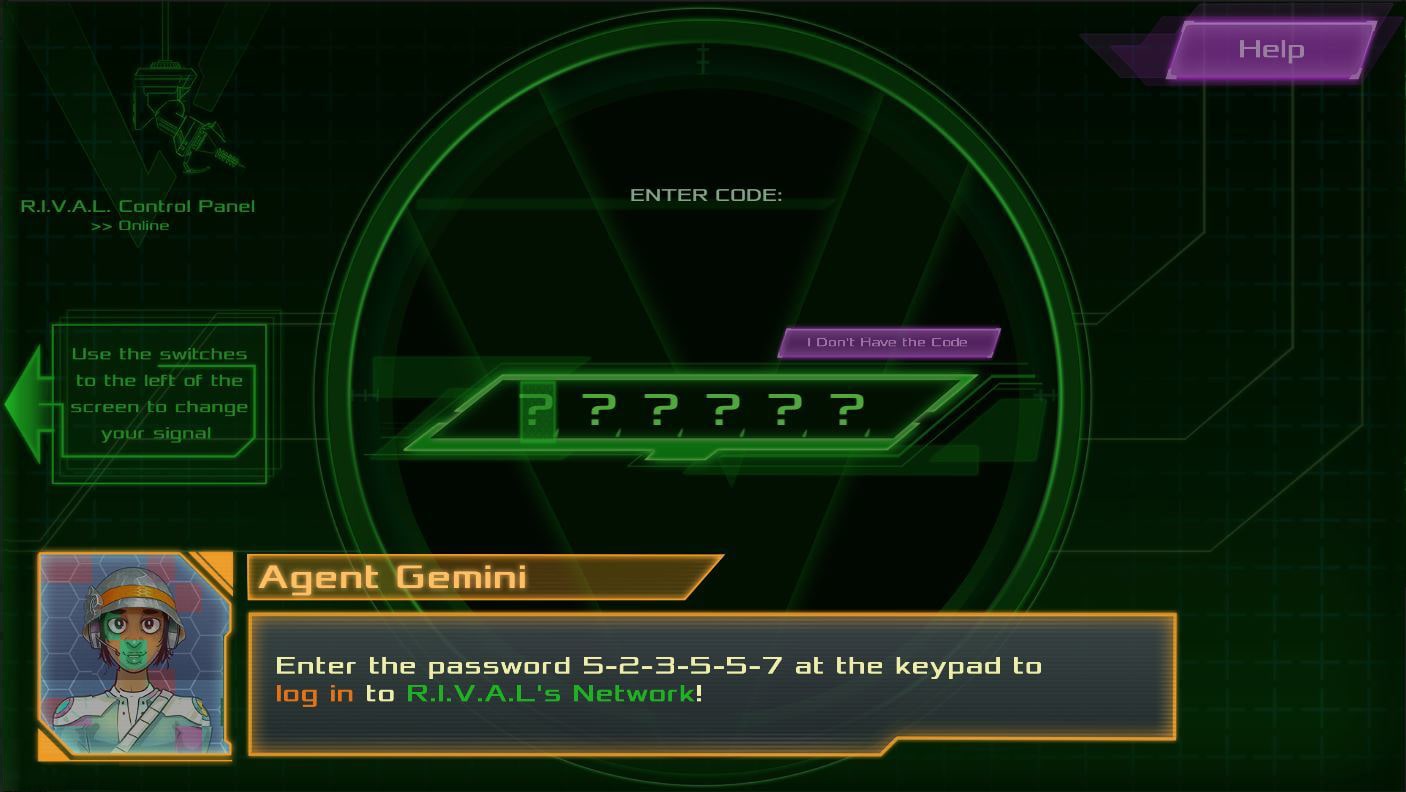
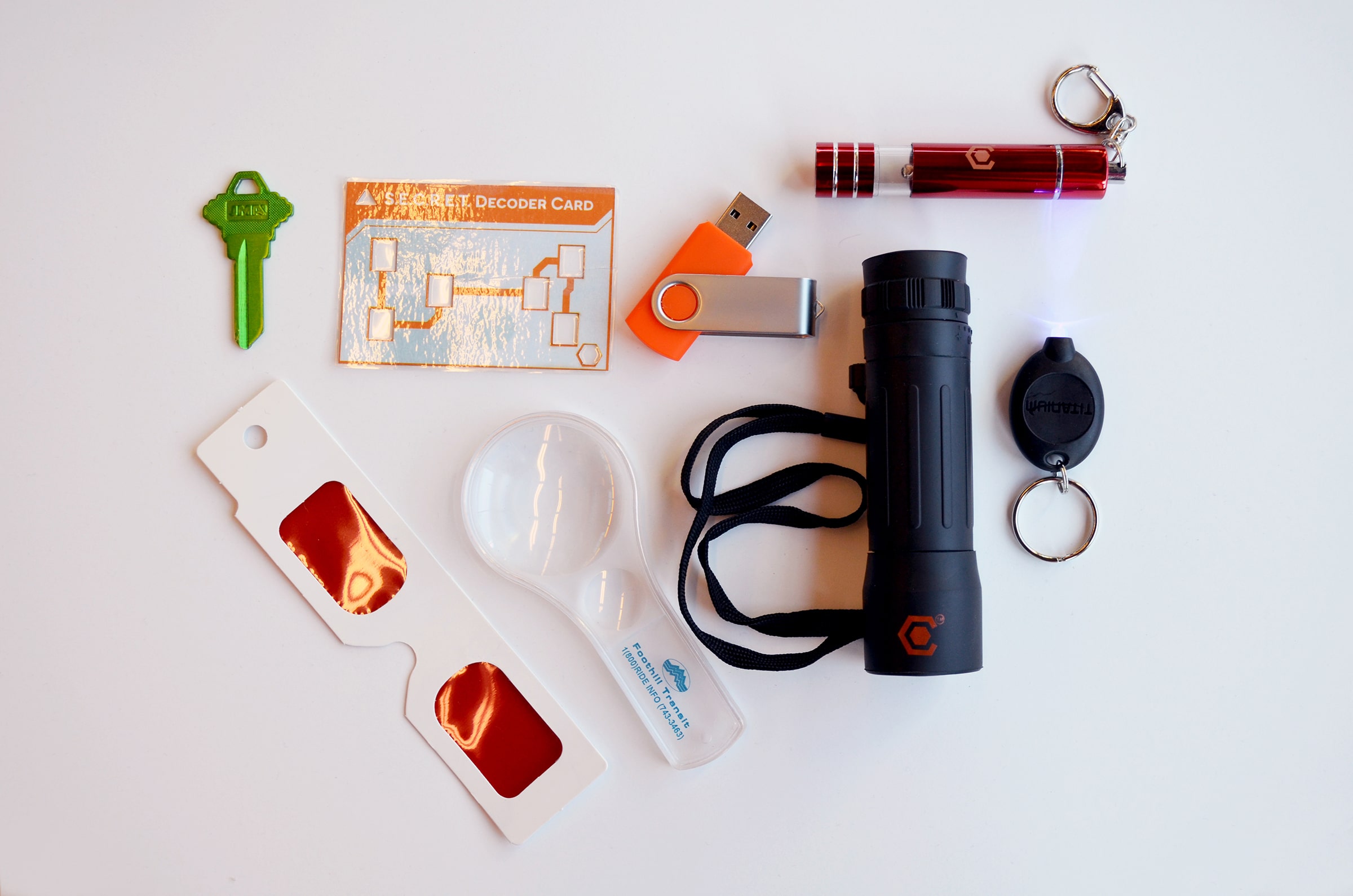
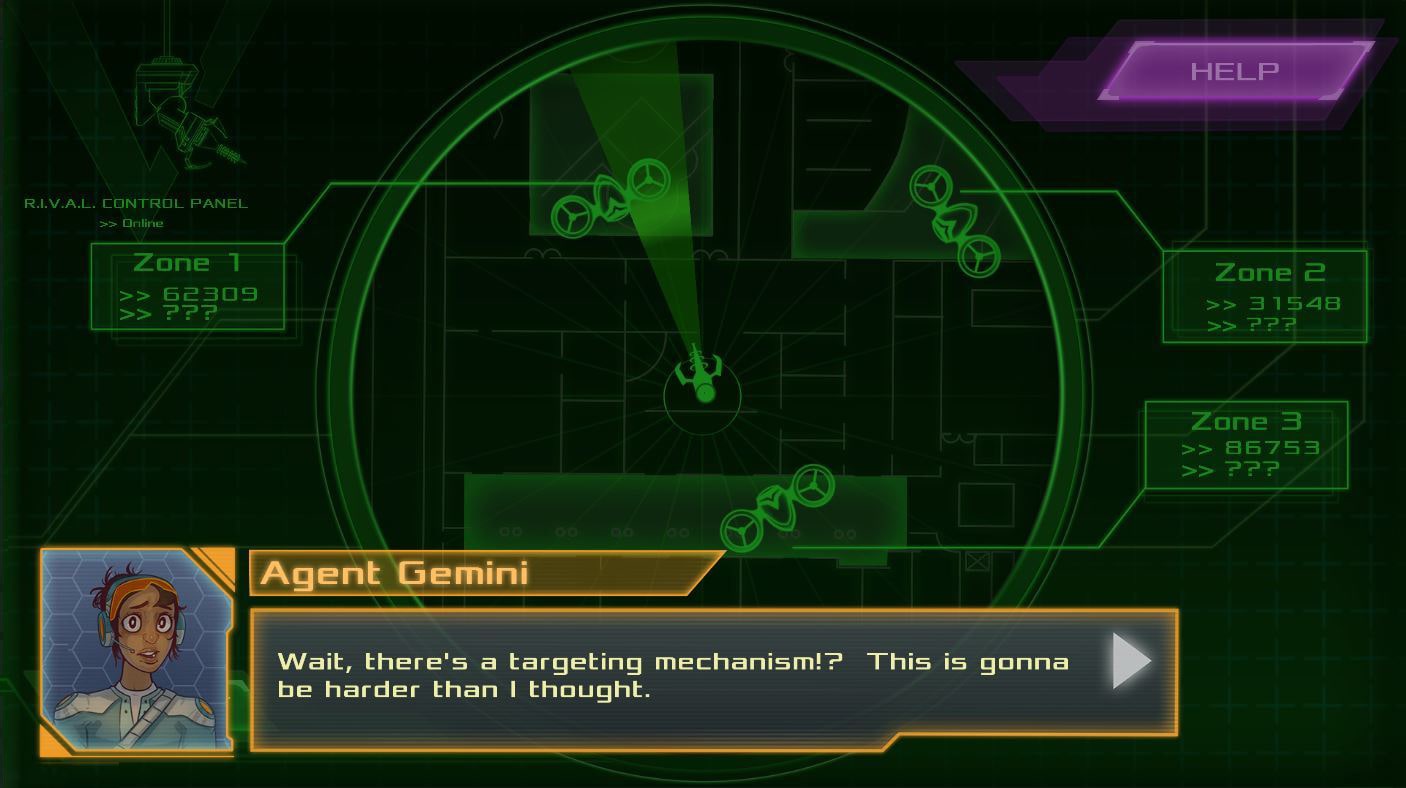
S.E.C.R.E.T. (Special Elite Crime Resolution and Espionage Team) is an immersive, location-based interactive experience developed by Schell Games for the Children's Museum of Houston. Built on the Unity engine, the game utilizes RFID (Radio Frequency Identification) technology to allow children to act as undercover agents. Players are equipped with specialized gear that interacts with various "hacking stations" and hidden sensors throughout the museum. By solving logic puzzles, navigating laser mazes, and deciphering codes, participants complete missions to defeat the villainous V.E.X. (Villains, Evil-doers, and Xenophobes). This project demonstrates Schell Games' ability to blend physical environments with digital game systems to encourage active, collaborative learning.
- Schell Games
- Children's Museum of Houston
- RFID-based interaction
- Unity Engine
- Location-based systems
- Puzzle-solving
- "hacking" stations
- physical navigation (laser mazes)
- How do players interact with the museum using S.E.C.R.E.T. gear?
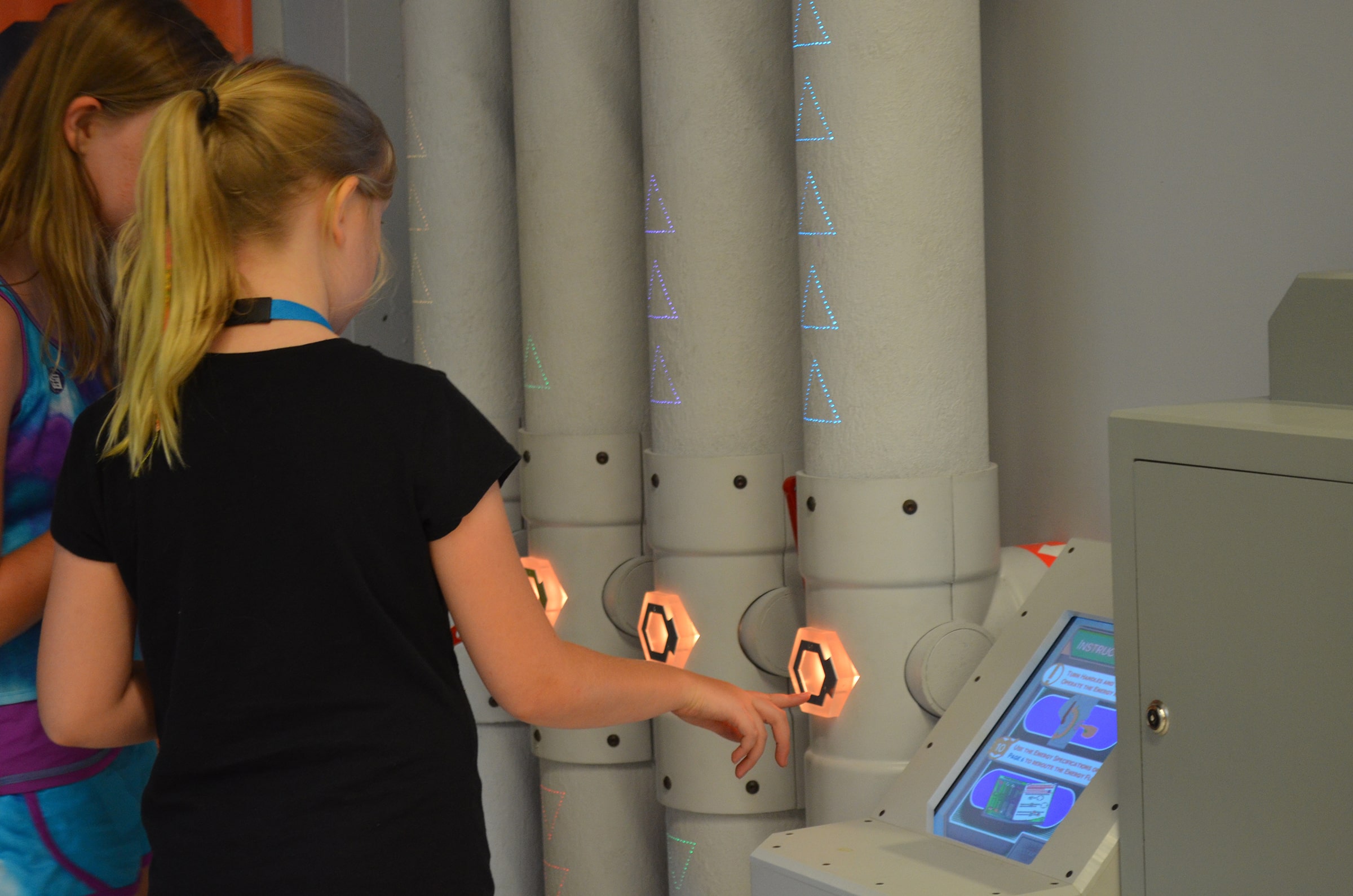
- Players are given an RFID wristband or "Codex" that acts as their digital key. As they explore the museum, they tap their gear against "contact points" at hacking stations. The museum's central server tracks their progress, allowing the physical environment to respond to their specific mission status.
- What is the "V.E.X."?
- V.E.X. is the antagonist organization in the game's narrative. The missions are framed as a battle between the heroic S.E.C.R.E.T. agents and these villains who are trying to disrupt the museum. This narrative layer provides a cohesive "why" behind the various educational puzzles.
- Is this a physical or digital game?
- It is a hybrid. While the logic and tracking are digital (built in Unity), the gameplay is entirely physical. Agents must crawl through vents, dodge lasers, and find hidden clues tucked away in the museum's architecture. It is designed to get kids moving rather than sitting at a screen.
- What skills does the game teach?
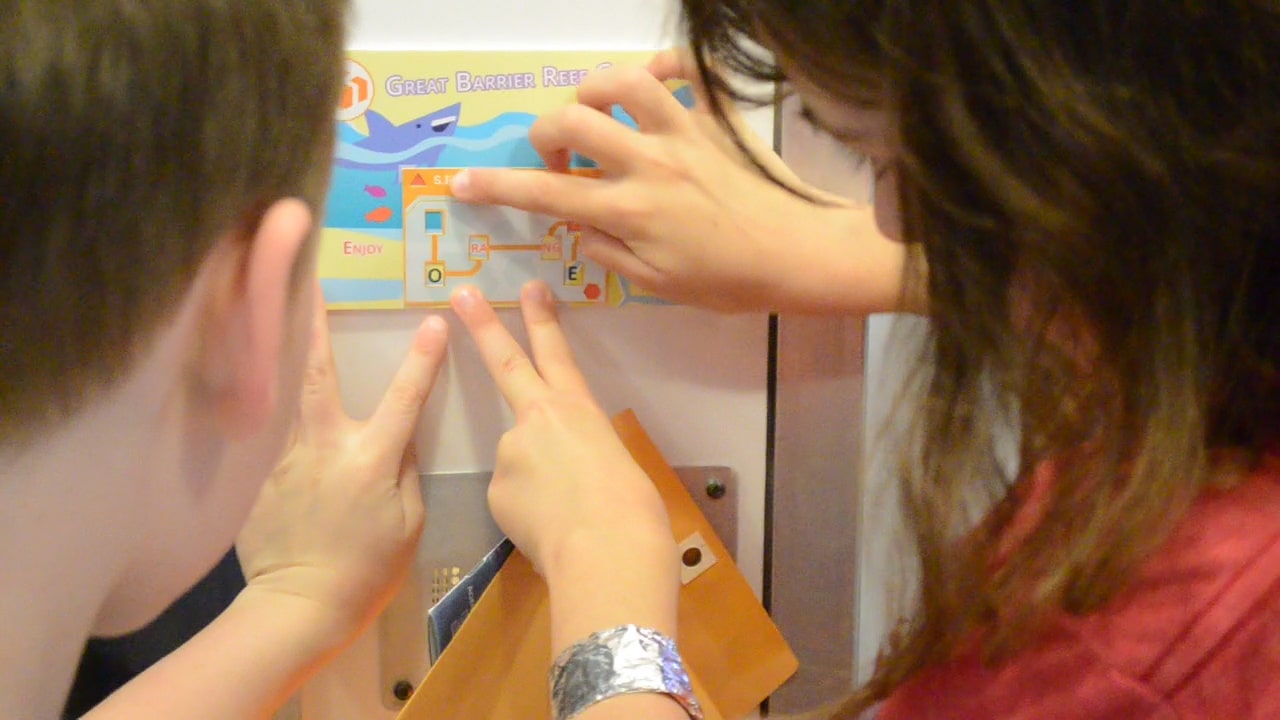
- The game focuses on STEM-adjacent problem solving: Cryptography: Decoding ciphers and patterns. Logic: Sequencing steps to "hack" a terminal. Observation: Finding hidden details in a complex physical environment. Agility: Navigating physical obstacles like the laser room.
- Can multiple children play together?
- Yes. The experience is designed for collaborative play. Many stations require agents to work together to solve a puzzle or watch each other's backs while "infiltrating" an area, fostering social-emotional skills alongside cognitive ones.
Gallery