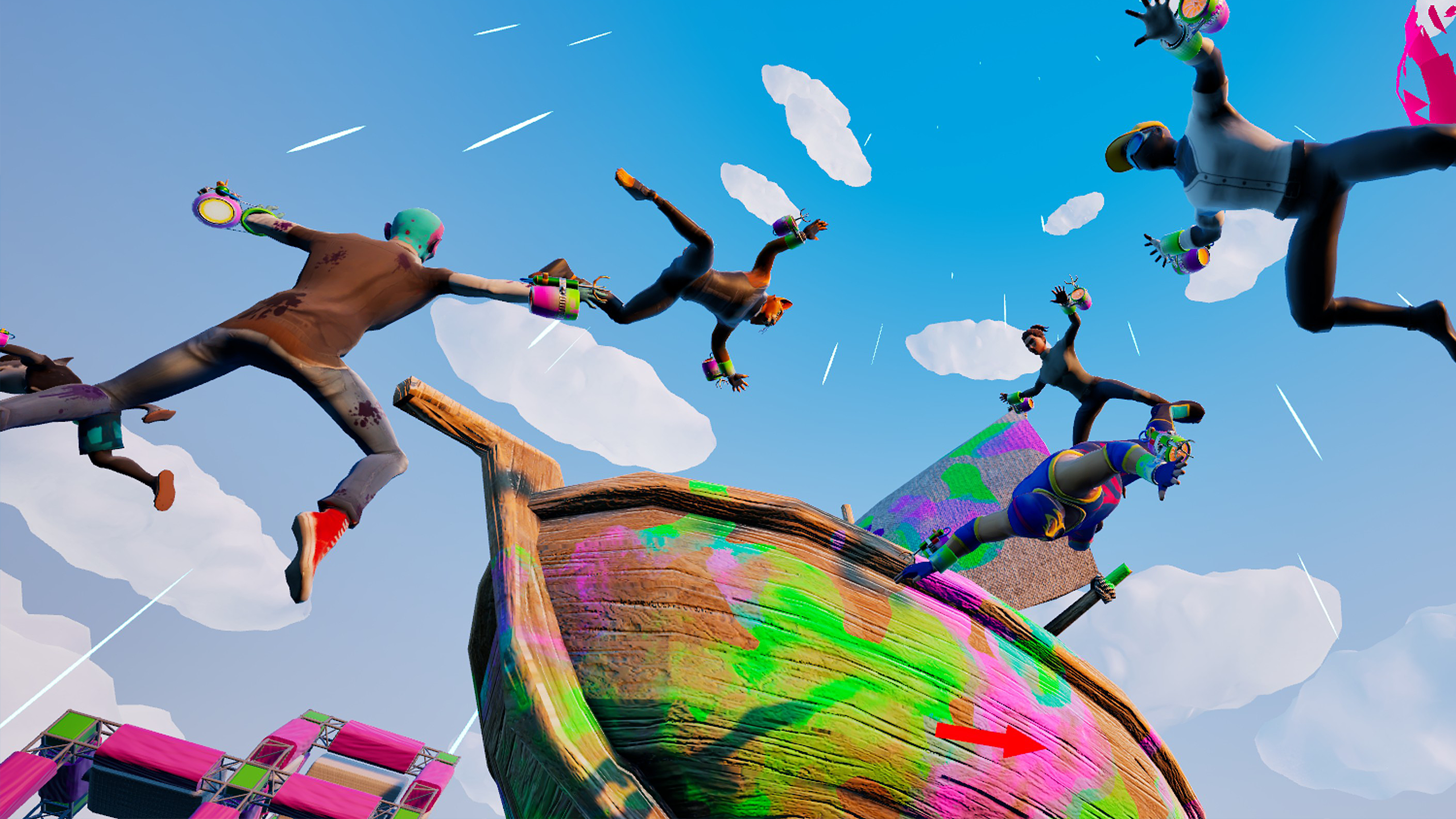
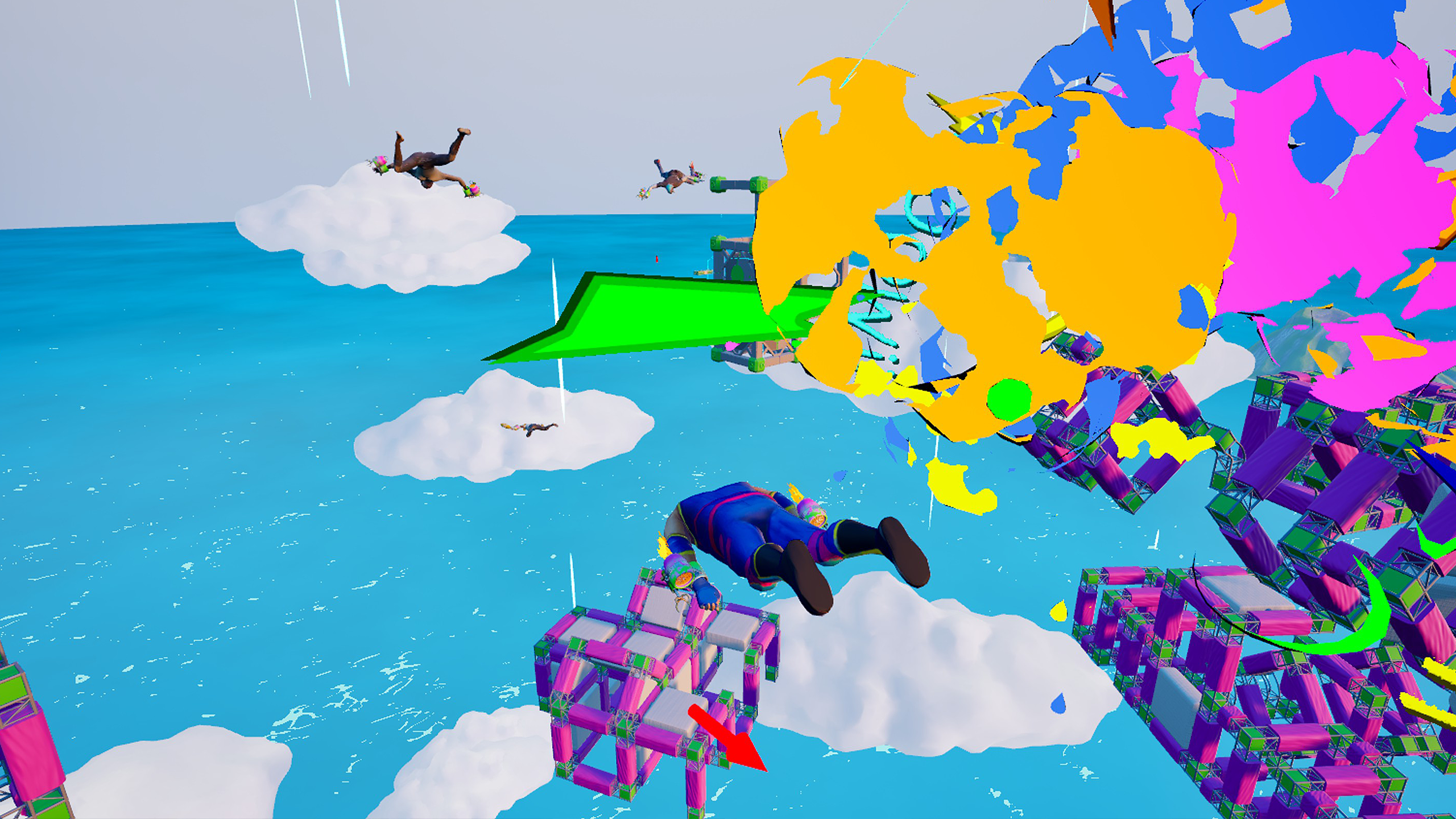
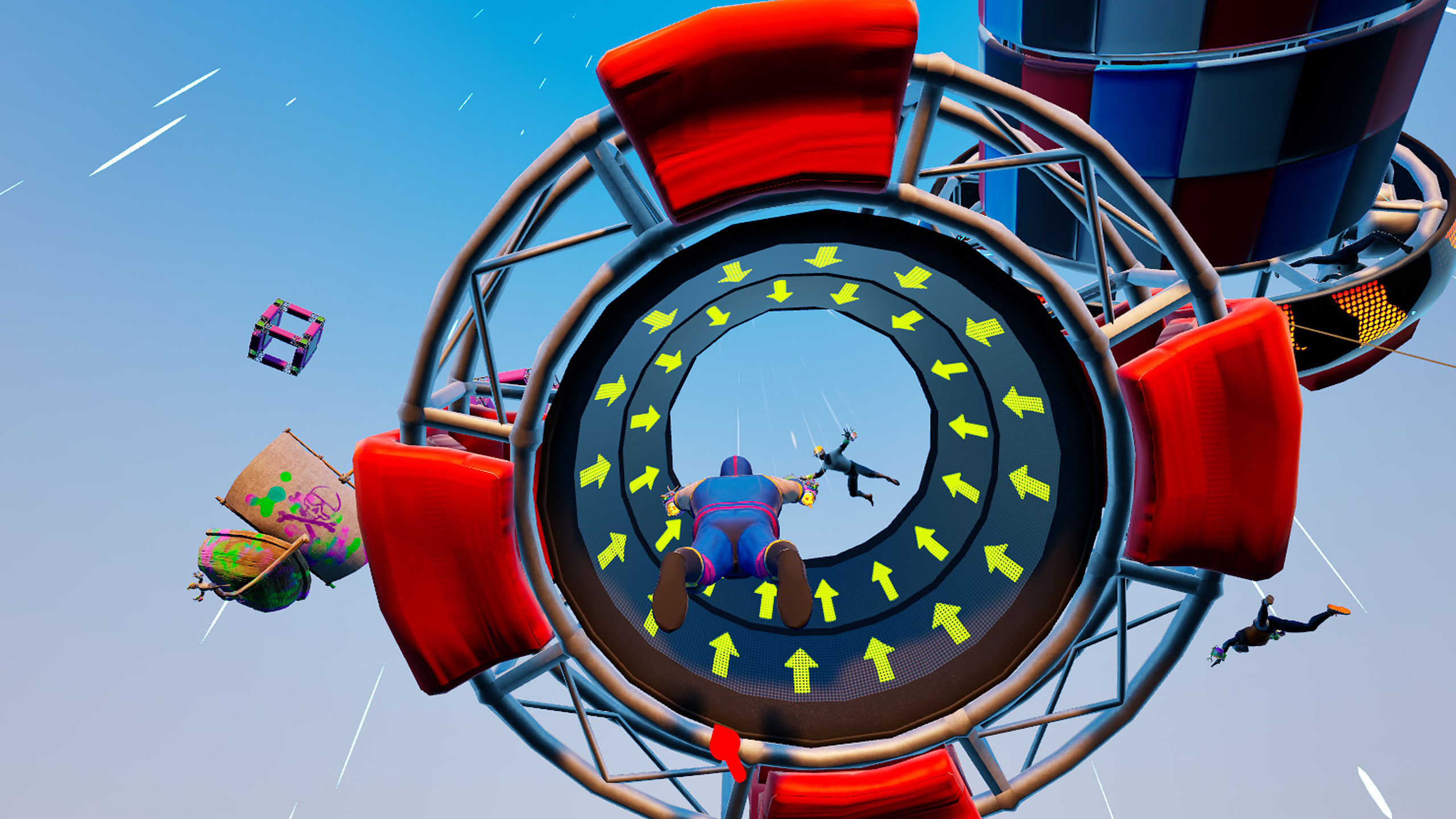
Project Freefall, a competitive VR and PC "skydiving brawler" by Schell Games, serves as a cognitive training ground for real-world resilience and executive function. Through the lens of Dr. Brooke Morrill, the game’s five-minute matches utilize high-velocity play and the "Terminal Velocity Constraint" to force rapid emotional regulation and tactical decision-making under pressure. By balancing sensory overload—including physics-based movement and items like the Yeetus Maximus bat—players develop Germane Load (efficient mental shortcuts) and transition from state-orientation to action-orientation. This "low-consequence arena" refines Action Control, accurate error attribution, and an Internal Locus of Control, effectively training the brain to maintain focus in real-world crisis scenarios.
deadline effect
germane load
desirable difficulty
theory of mind
attributional theory
high-velocty play
sensory filtering
terminal velocity constraint
cognitive overload
What is the "Deadline Effect" in Project Freefall?
The Deadline Effect is triggered by the "Terminal Velocity Constraint"—the non-negotiable reality of the ground approaching. This forces players to spike their tactical execution and eliminates hesitation, as the ground acts as an impartial judge of their performance.
How does the game help with "Analysis Paralysis"?
By making the cost of hesitation higher than the cost of a sub-optimal move, Project Freefall trains the brain to pivot from a state of shock into a functional plan. It utilizes Action Control Theory to move players from worrying about the stress (state-orientation) to focusing on the next tactical step (action-orientation).
What are the three types of error attribution players learn?
Players learn to distinguish between:
1) Self-generated error: Flaws in their own timing or motor plans.
2) Environment-generated error: Unlucky item drops or external "bad bounces."
3) Opponent-generated error: Tactical moves made by others, which requires Theory of Mind to predict and counter.
Is "Sensory Overload" considered a negative in this game?
No. In Project Freefall, sensory overload is a "desirable difficulty." It intentionally pushes the limits of human processing so the brain learns to filter out noise and find the 10% of critical tactical signals, a skill applicable to high-pressure fields like emergency medicine.
What does "neer-neer-neer" signify in the gameplay?
It is a specific auditory cue that signifies optimal aerodynamic descent. Mastering the ability to hear this signal amidst visual and auditory chaos is a form of selective attention and sensory filtering.