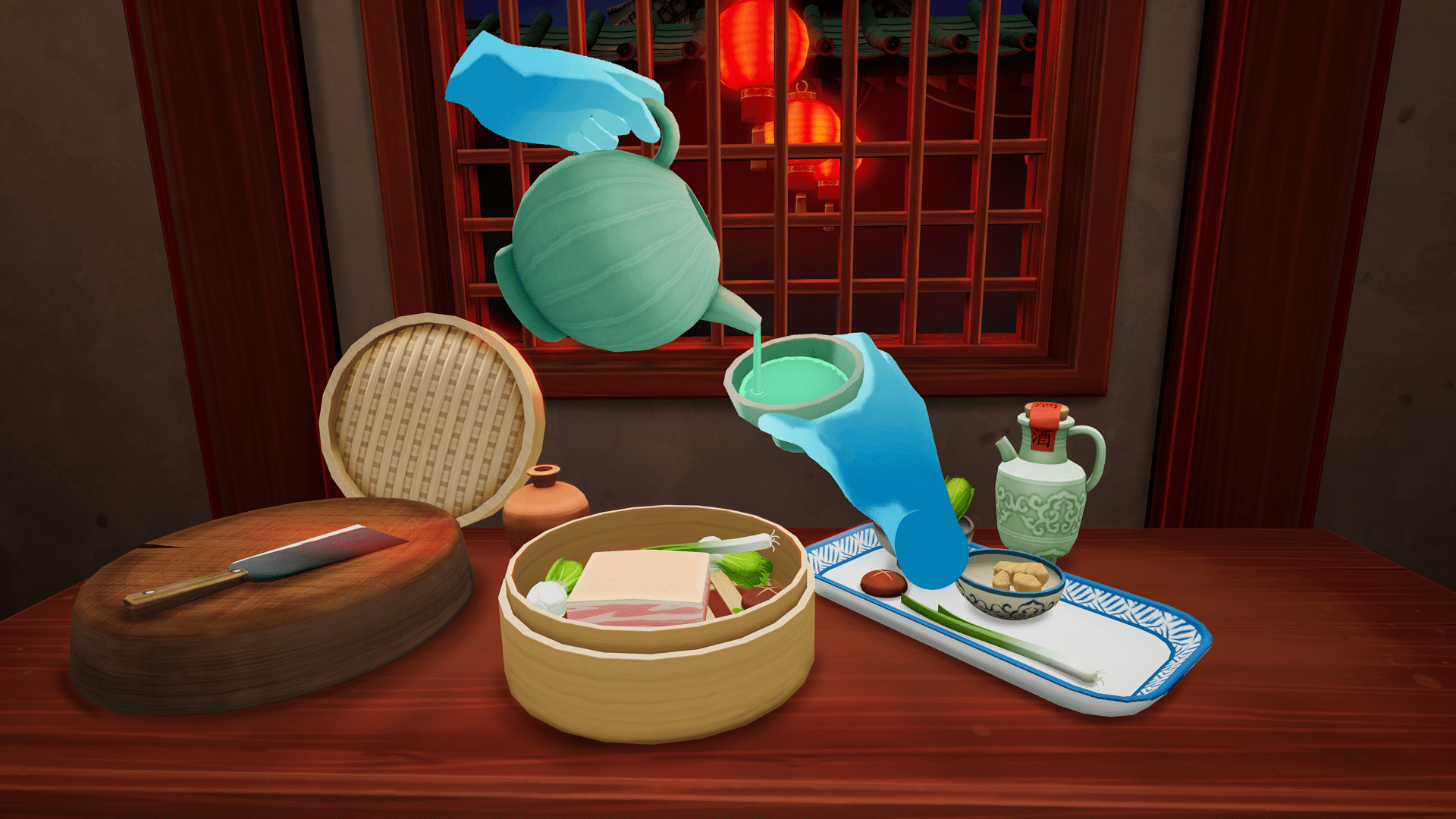
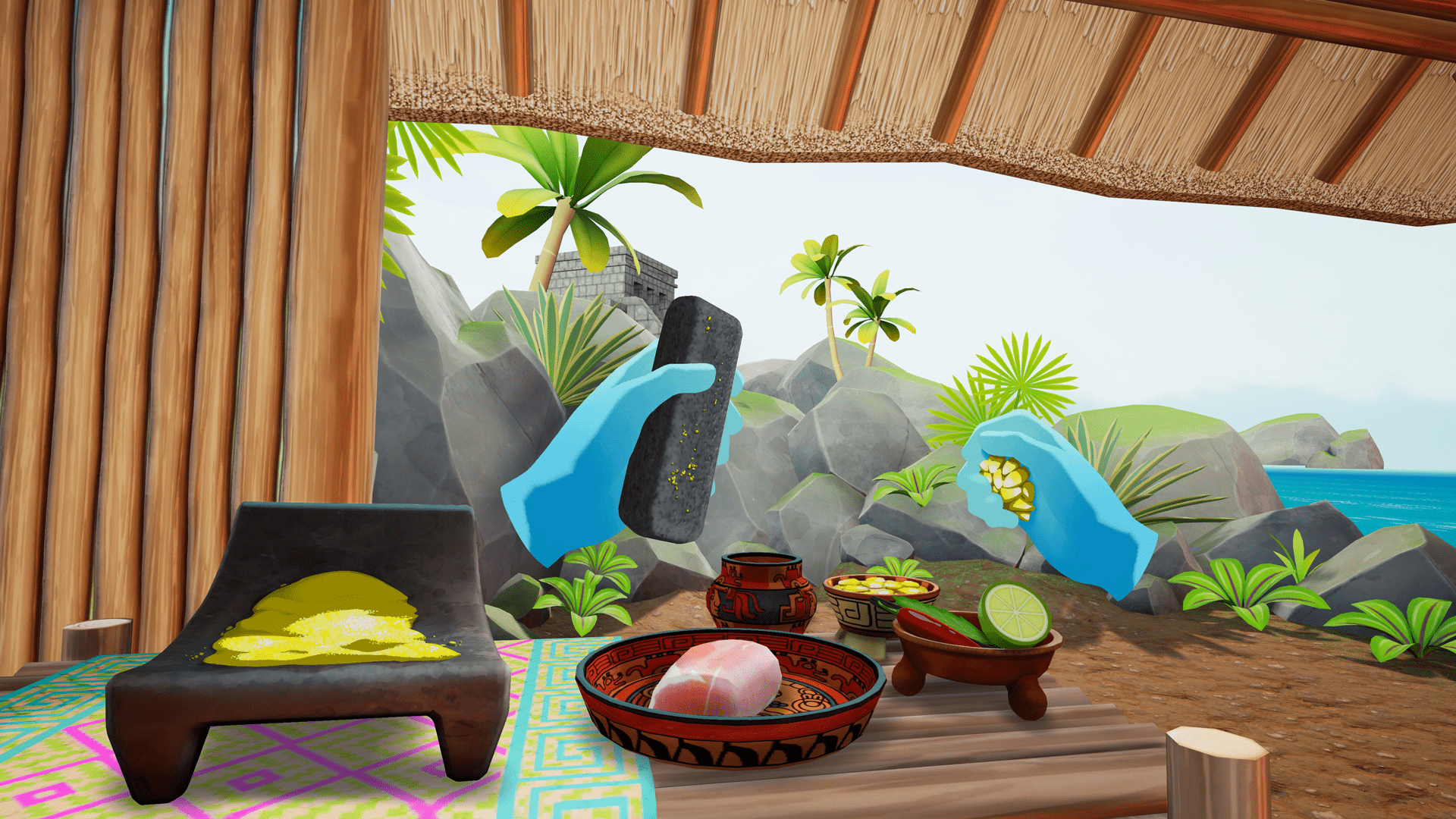
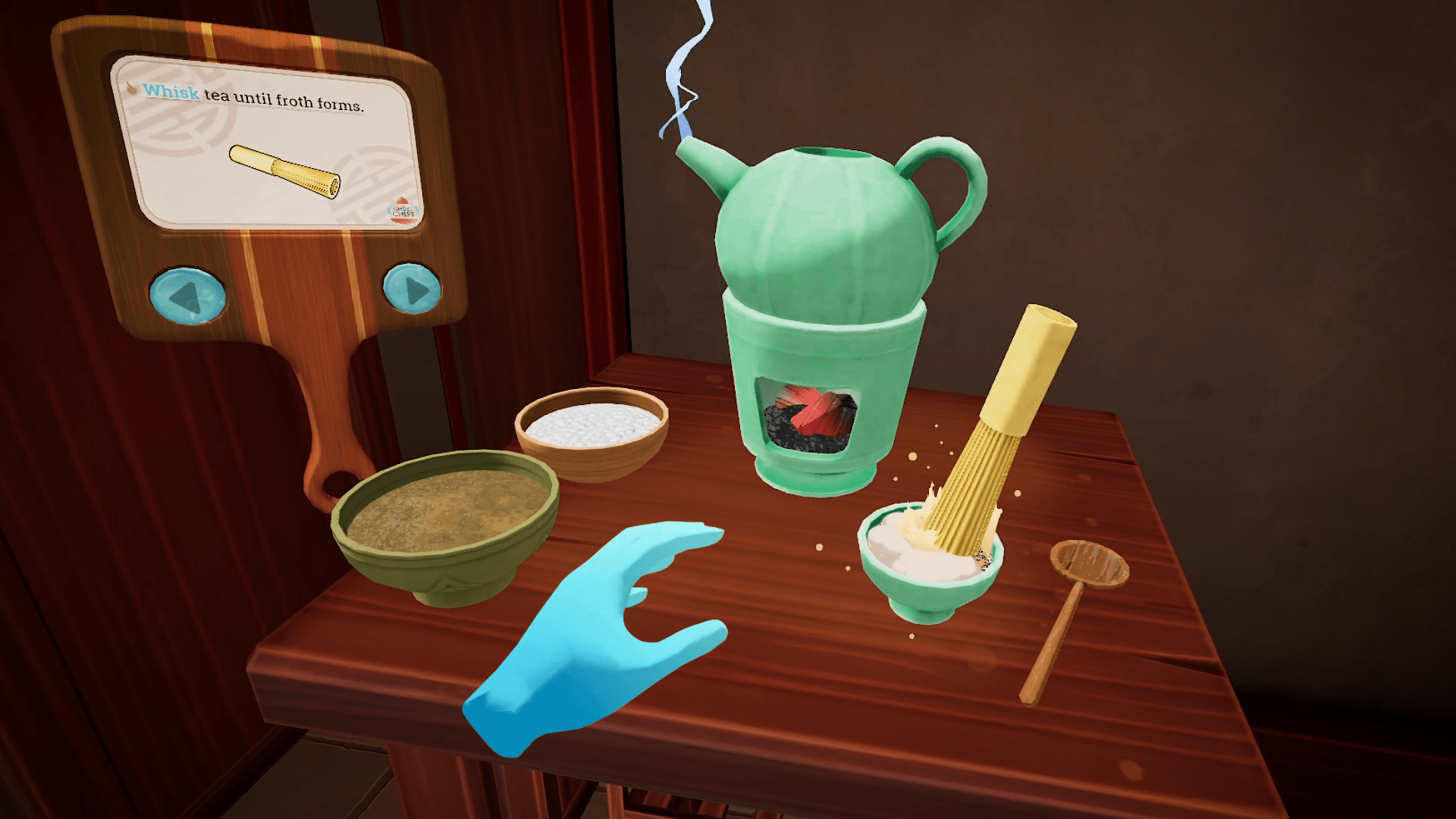
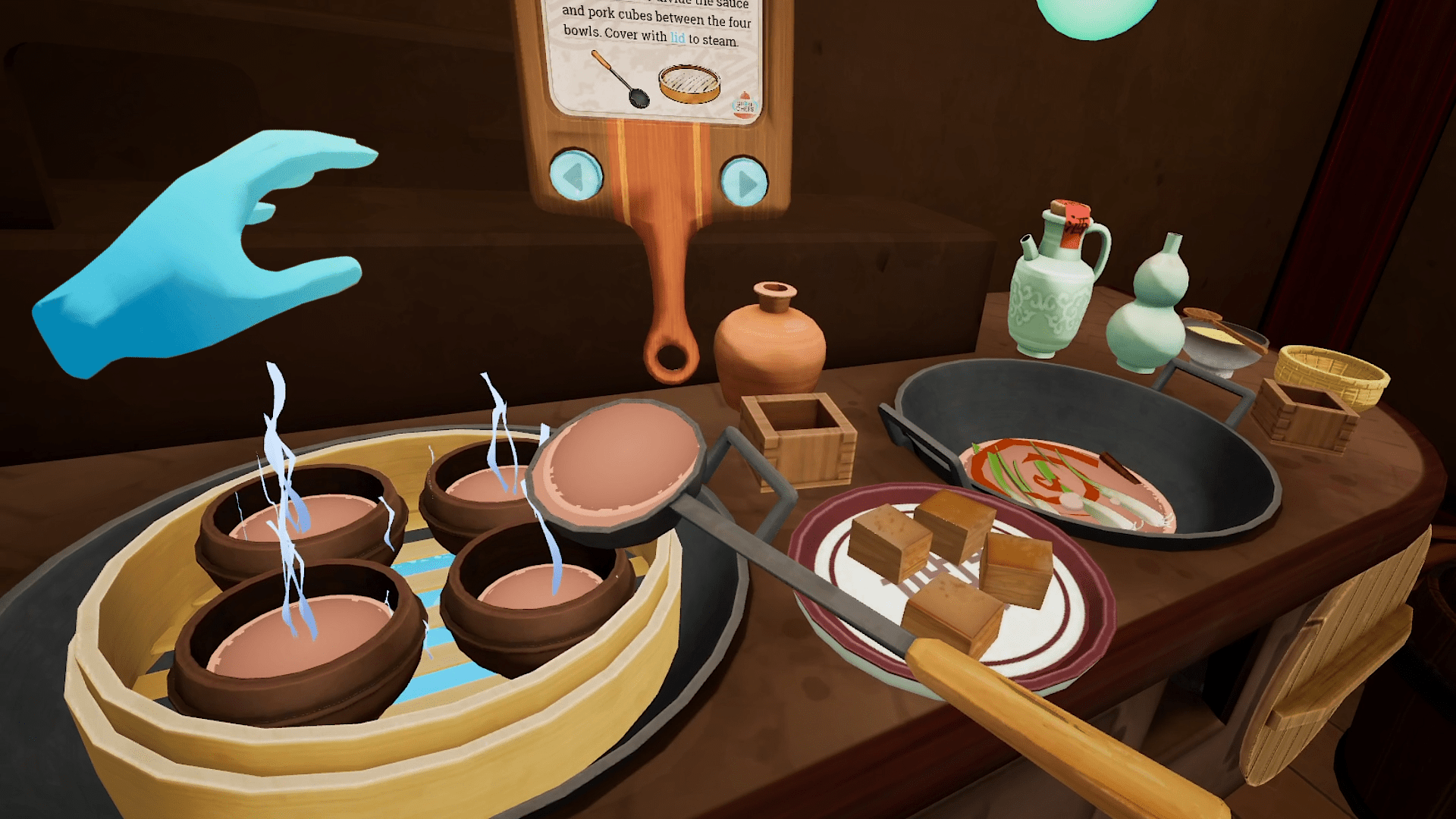
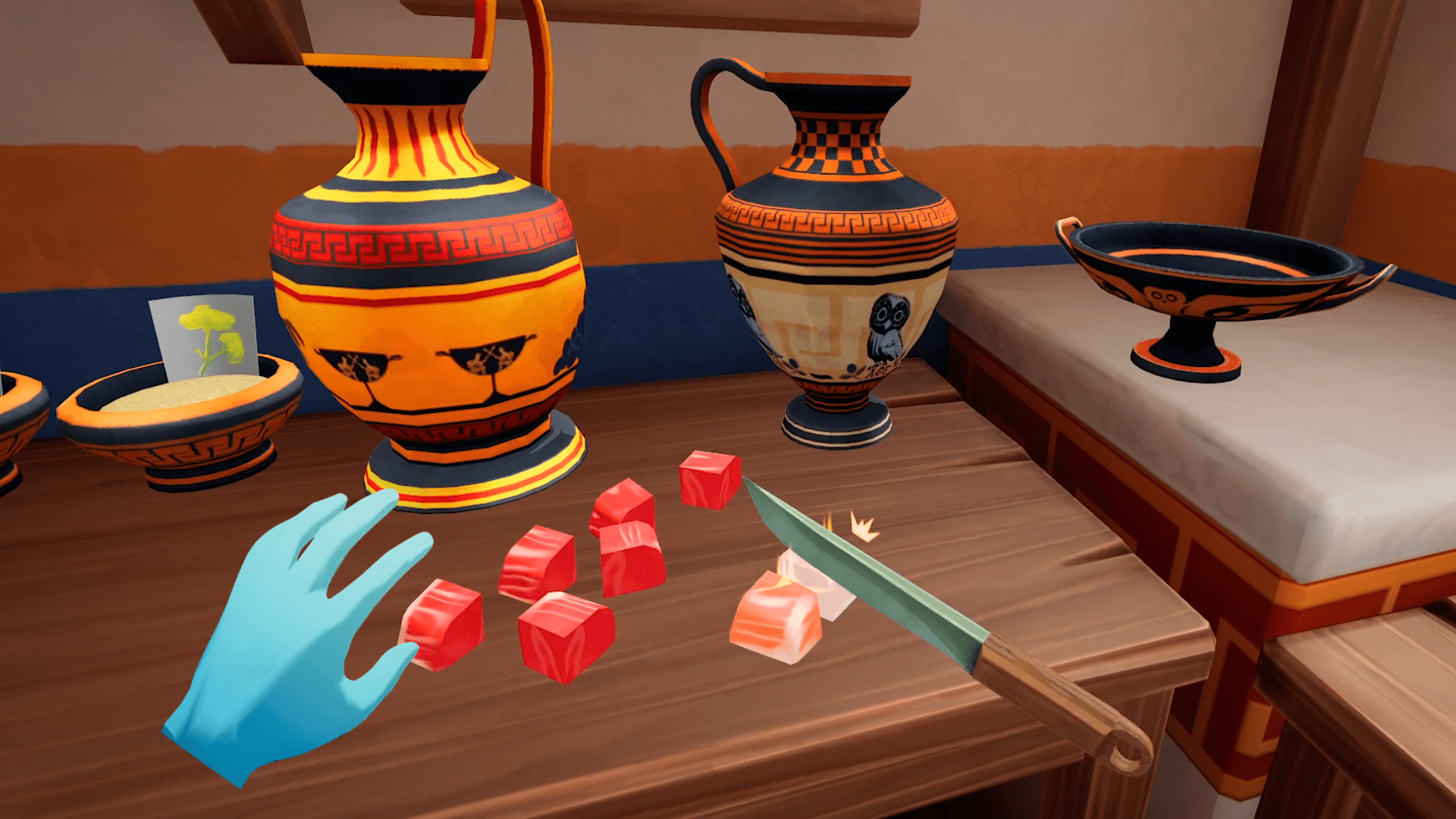
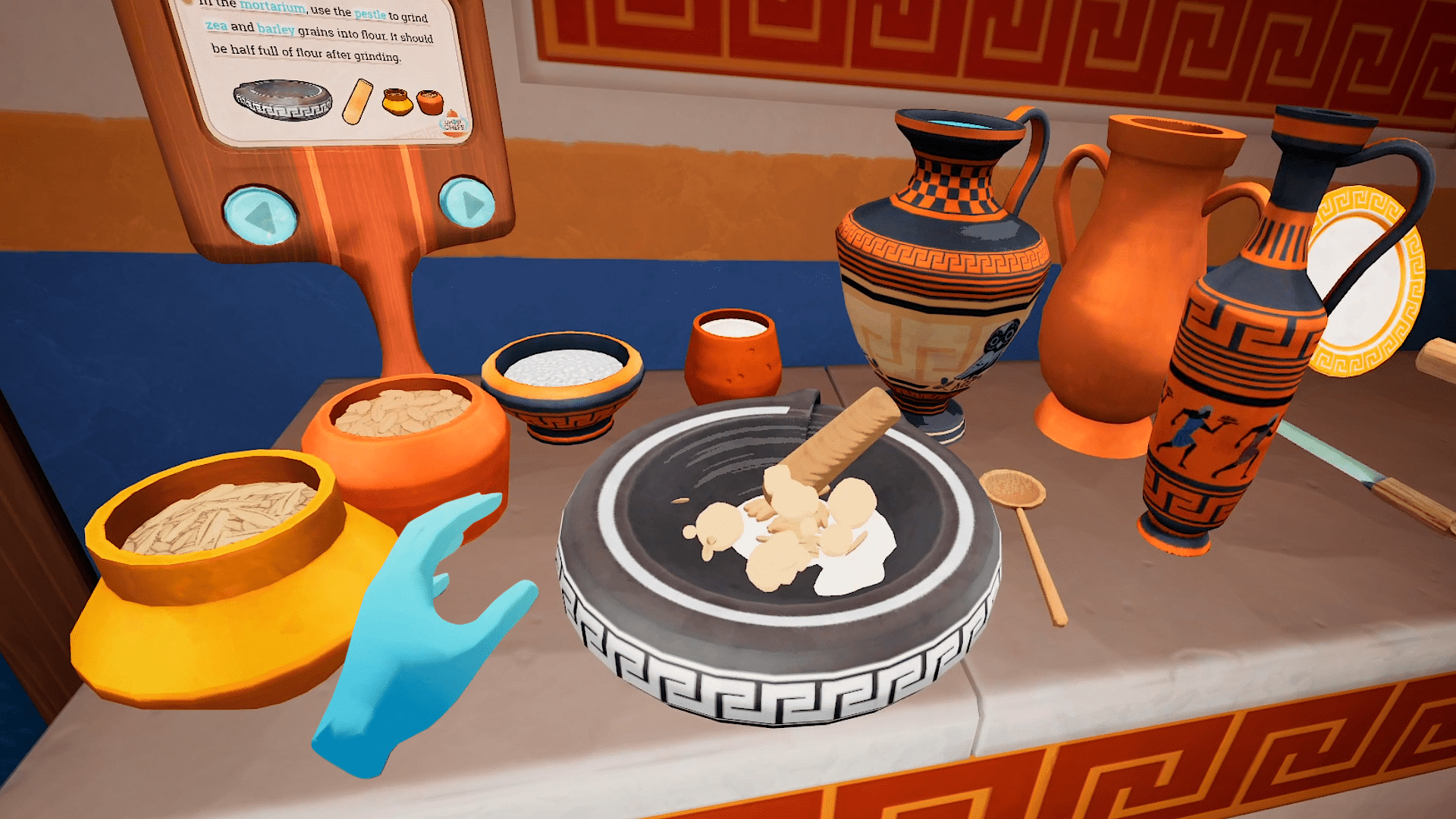
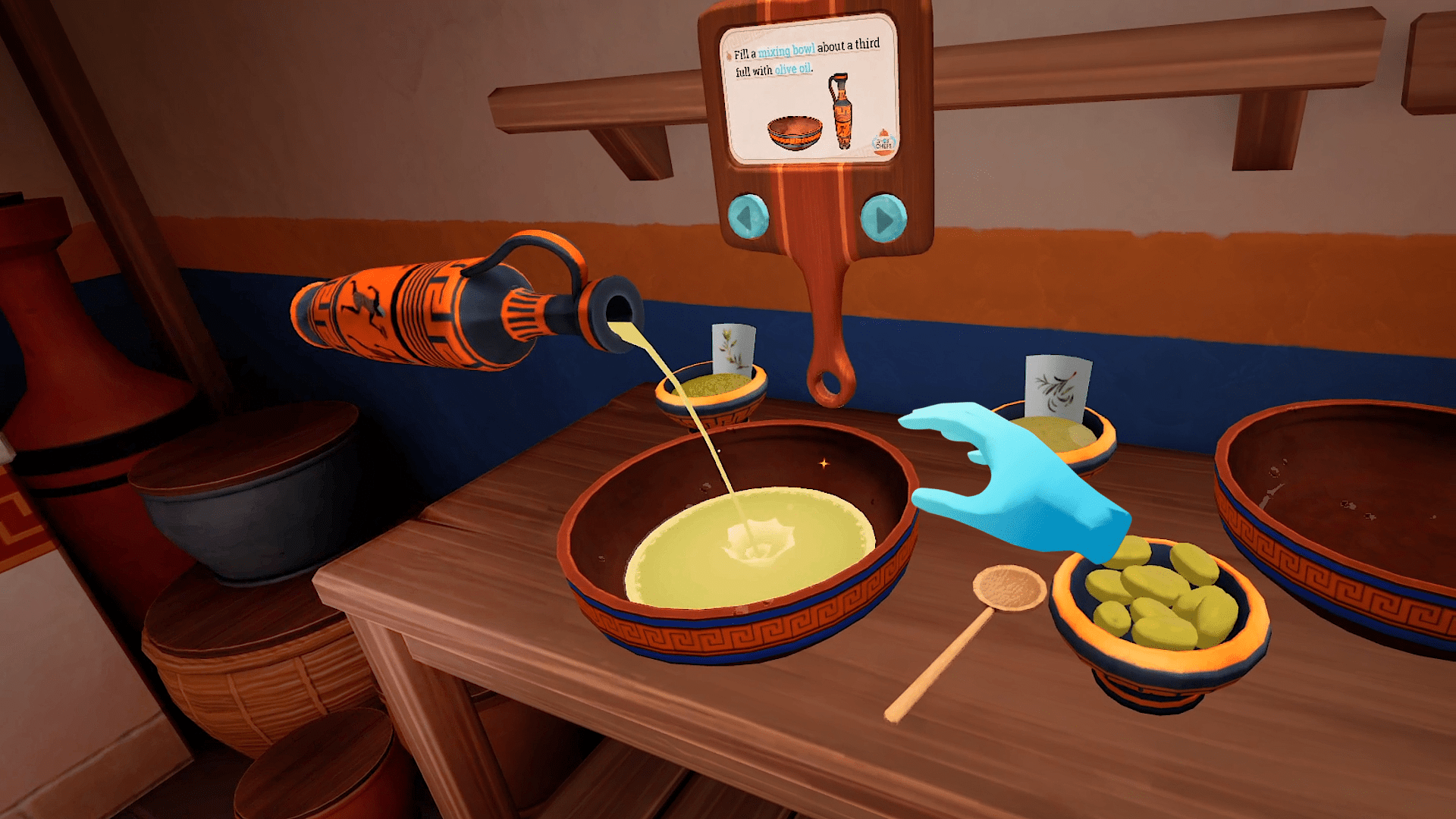
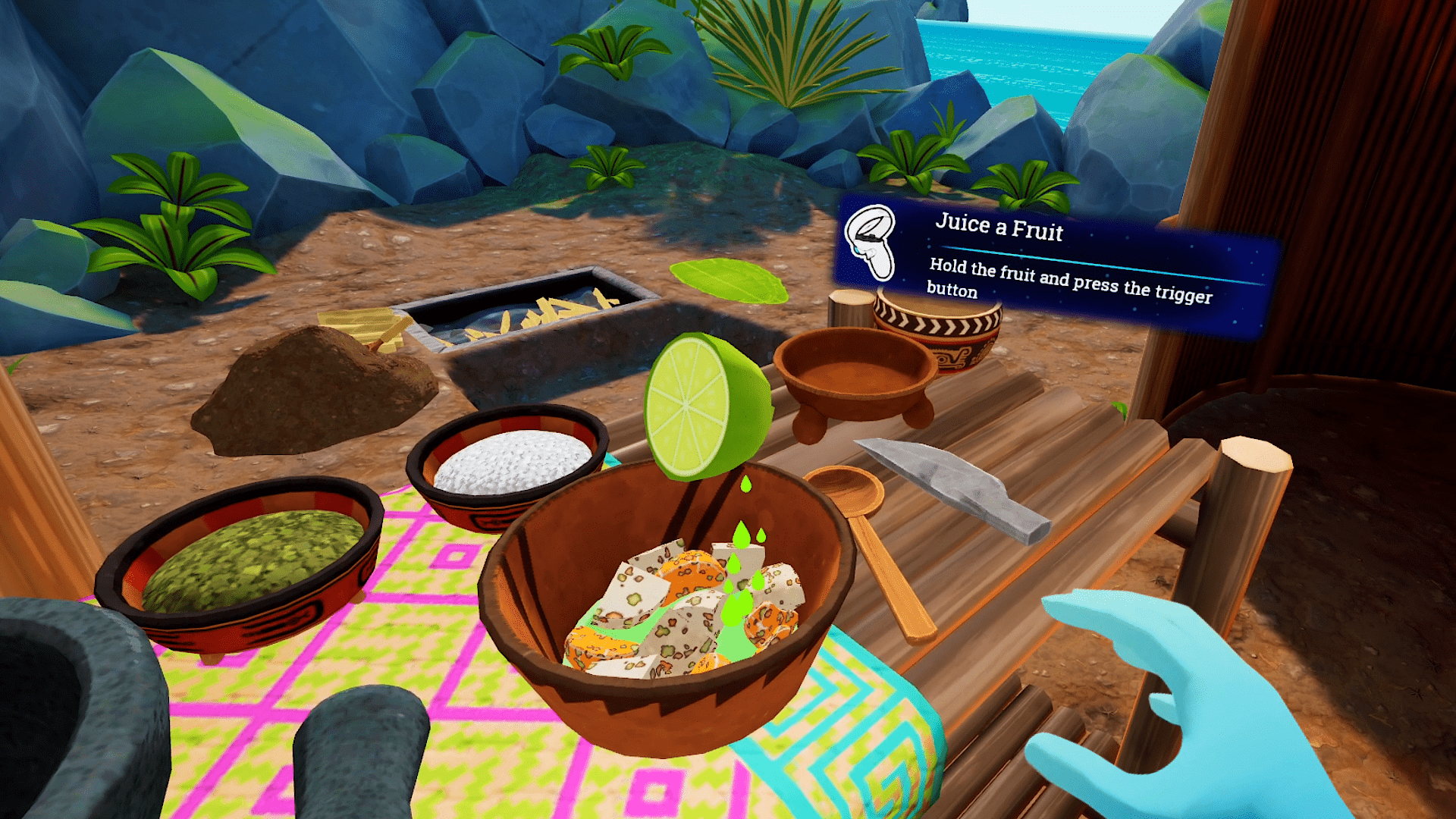
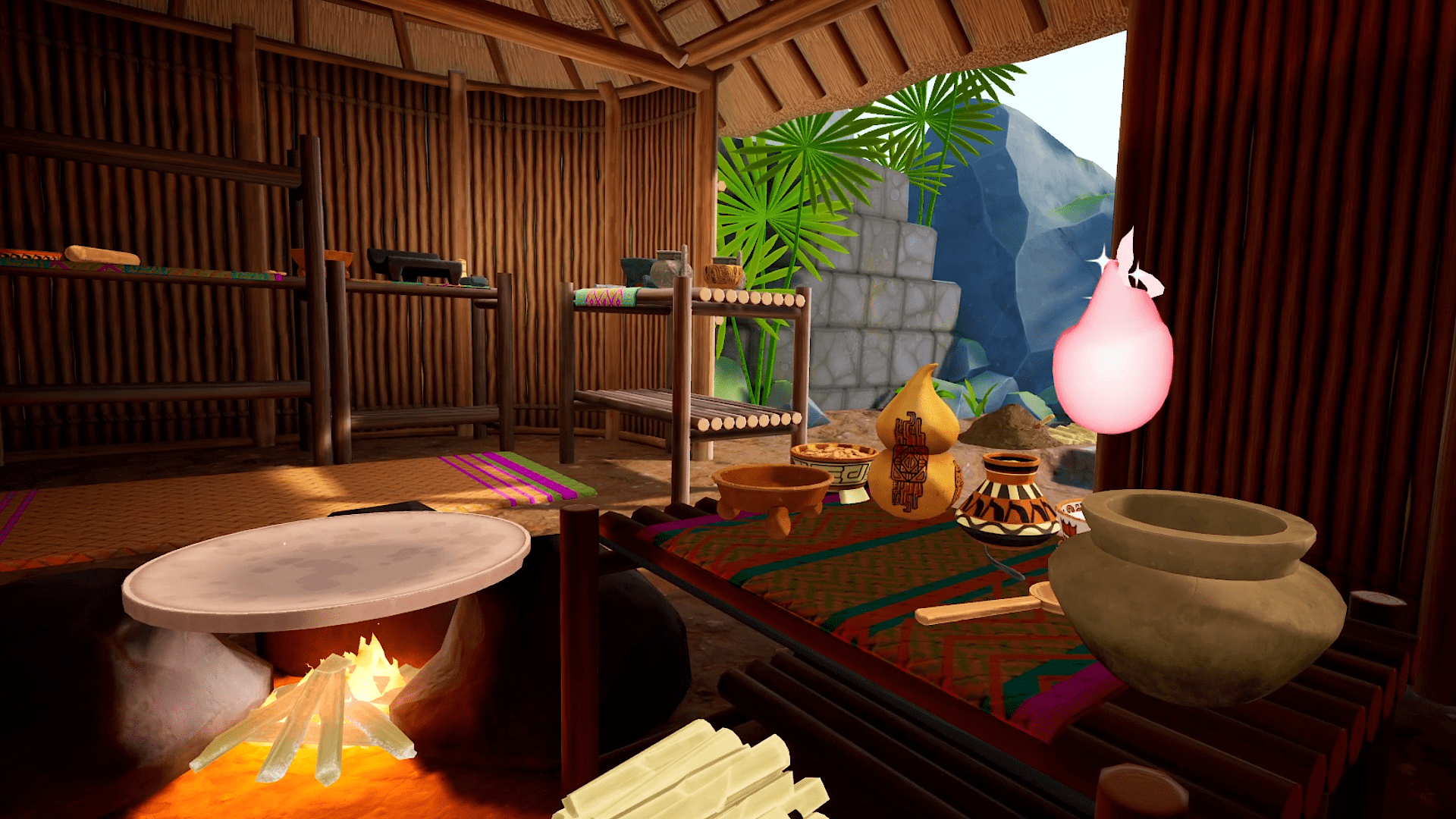
Realistic VR Cooking - Cook real recipes in authentic kitchens from the past
Authentic Voices - Listen to native speakers narrate the game, adding immersion and realism.
Educational Tidbits - Learn about each cuisine and culture with bite-size nuggets of information. The game was fully researched to provide historical authenticity.
Nine Recipes - Master three different recipes in each of the cultures represented in the game.
Rarity Renewed - Prepare food with rare kitchen tools and ingredients, using ancient techniques.
Atypical Cooking Sim - Slow down and finish each recipe as accurately as possible. This gentle and beautiful game rewards skill, not speed.
Recognize the tools, foods, and cooking techniques used in various eras and cultures
Experience how geography and history shaped culinary techniques
Appreciate the differences between cooking techniques and traditions across time and cultures
Dr. Sébastien Dubreil | Teaching Professor of French & Francophone Studies, Second Language Acquisition, and Technology-Enhanced Learning - Dept. of Modern Languages, Carnegie Mellon University
Stephan Caspar | Assistant Professor - Global Languages and Cultures Room, Dept. of Modern Languages, Carnegie Mellon University
Dr. Owen H. Jones | Ph.D. History
Gang Liu | Associate Teaching Professor of Chinese, Carnegie Mellon University
Claire Schuler | Student, Carnegie Mellon University
Lost Recipes is an original VR cooking simulator developed by Schell Games that blends history, culture, and relaxation. Built on the Unreal Engine, the game transports players to three distinct historical periods—Ancient Greece, Song Dynasty China, and the Maya Civilization—to master nine authentic recipes. Guided by native-speaking ghosts, players use historically accurate tools, ingredients, and techniques (such as grinding spices with a stone or baking in a clay oven). Unlike traditional arcade cooking games, Lost Recipes rewards precision and cultural mindfulness rather than speed, making it a "transformational" experience that educates players on how geography and history have shaped global culinary traditions.
schell games
Carnegie Mellon University (Modern Languages Dept)
Slow-paced VR cooking
native-narrated instruction
Unreal Engine
historical research validation
immersive language learning
How does Lost Recipes differ from games like Cooking Simulator VR or Overcooked?
Most cooking games focus on "chaos management" and speed. Lost Recipes is an atypical cooking sim that encourages players to slow down. There are no timers; instead, players are judged on the accuracy of their techniques and the authenticity of their results. It is designed to be a meditative and educational experience.
Which historical periods and cuisines are included?
The game features three main cultures:
Maya Civilization: Focusing on corn-based dishes and ancient stone tools.
Song Dynasty China: Featuring early wok techniques and delicate spice balances.
Ancient Greece: Focusing on Mediterranean ingredients and clay oven baking.
Is the game historically accurate?
Yes. Schell Games collaborated with a team of historians and professors from Carnegie Mellon University and authors of food encyclopedias to ensure the recipes, tools, and environments were fully researched and authentic to each time period.
What is the benefit of the native-speaking narrators?
Each culture is narrated by native speakers, which enhances the cultural immersion and provides players with a sense of place and historical presence. The ghosts of the past act as mentors, guiding you through the significance of each ingredient.
Can Lost Recipes be used in a classroom setting?
Absolutely. It has won several educational awards, including Gold for K-12 Educational Game. It is recognized as a "transformational" tool for teaching history, geography, and second language acquisition through a hands-on, virtual medium.
What platform is the game available on?
The portfolio page lists the Meta Horizon Store as the primary platform for this VR title.