Puzzle Clubhouse
Project Type
Original GameGenre
Entertainment, Casual, PuzzleGame Engine
OtherPlatform
DesktopTarget Audience
Adult, High SchoolOverview
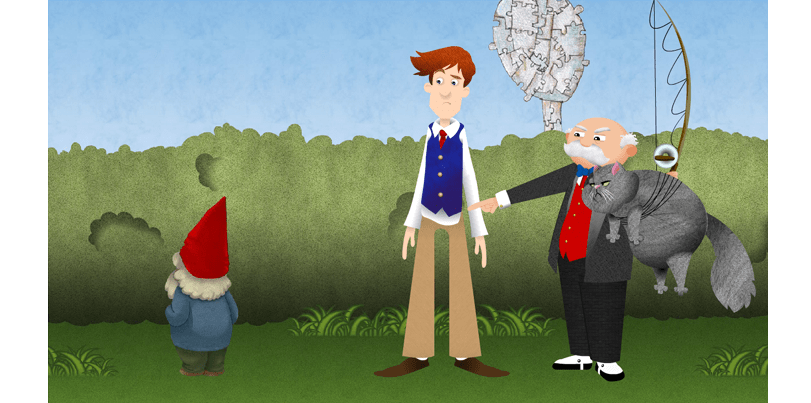
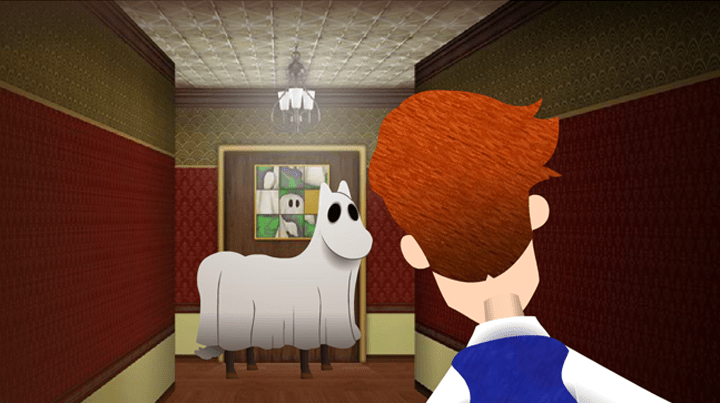
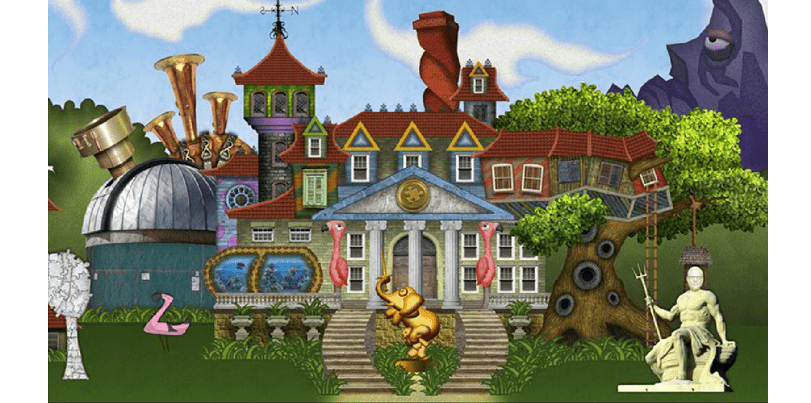
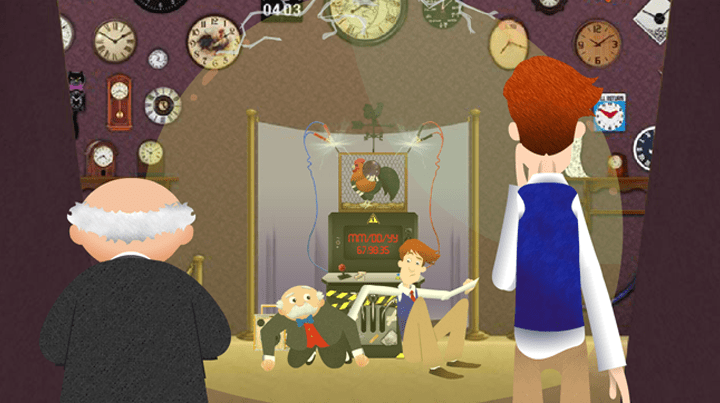
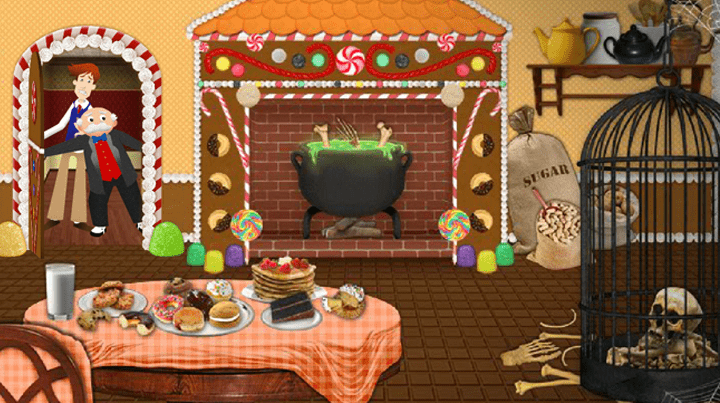
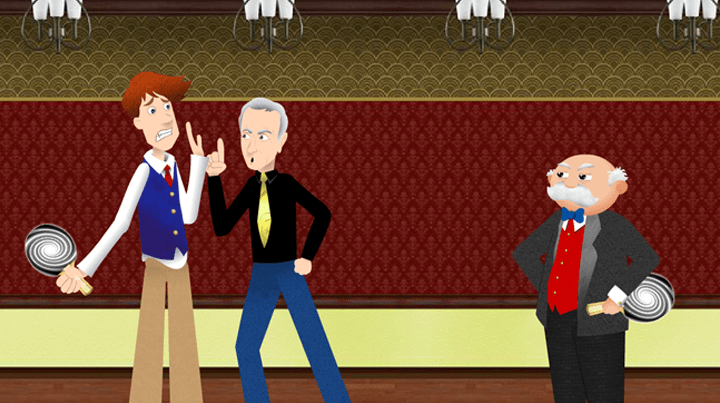
Puzzle Clubhouse was an original, browser-based digital platform developed by Schell Games that functioned as both a game and a creative social experiment. Built for Desktop, the project aimed to turn puzzle-solving into a collaborative, community-driven event. Each week, the "Clubhouse" would feature new puzzles, but the unique twist was that players were often involved in the creation and curation of the content. By blending casual gameplay with social interaction and user-generated influence, Puzzle Clubhouse served as a precursor to the studio’s later work in social synchronization and community-based gaming (like Wastelanders). It showcased Jesse Schell’s interest in how games can foster a sense of belonging and shared accomplishment among a broad audience.
- Schell Games
- Community-driven puzzles
- user-generated content
- social gaming
- Weekly puzzle rotations
- collaborative problem-solving
- voting/curation
- Web-based (Flash/Other)
- What made Puzzle Clubhouse different from a standard puzzle site?
- Most puzzle sites are solitary experiences. Puzzle Clubhouse was built around a "Weekly Cycle." The community would work on puzzles together, and the results of one week might influence what happened in the next. It wasn't just about solving a riddle; it was about being part of a group that was "unlocking" the clubhouse's secrets together.
- Did the players help design the games?
- Yes, to an extent. The platform featured a "Co-Design" element where players could submit ideas, vote on themes, or contribute to the narrative surrounding the puzzles. This fostered a high level of player agency, making the community feel like "owners" of the clubhouse rather than just visitors.
- What kind of puzzles were featured?
- The variety was broad, ranging from logic puzzles and word games to visual "hidden object" challenges. The "Clubhouse" theme served as a wrapper that allowed the developers to experiment with different genres of casual play under a single aesthetic umbrella.
- Why was this project significant for Schell Games?
- It was a testbed for Social Interaction Design. The studio wanted to see how to keep a community engaged over long periods through small, meaningful interactions. The lessons learned about "retention" and "community loyalty" in Puzzle Clubhouse eventually informed the design of their more modern social titles and educational virtual worlds like The World of Lexica.
- Is the game still active?
- Puzzle Clubhouse was an early project in the studio's history (often associated with the era of browser-based "Flash" gaming). While the live service has largely concluded, its legacy lives on in the studio’s continued focus on "connected" experiences where players feel like part of a larger, living world.
- How does this relate to "The Art of Game Design"?
- In his book, Jesse Schell discusses the "Lens of Community." Puzzle Clubhouse was a direct application of this lens—asking how the game can fulfill the human desire to be part of a group and to contribute something of value to that group.
Gallery