Navigated to The $6 Indie Game That Ruined Our Fight-or-Flight Response: Inside the Meccha Chameleon Craze
Rebuilding Kanto Through the Lens of Freedom | Pokémon Pokopia
April 20, 2026 · insights
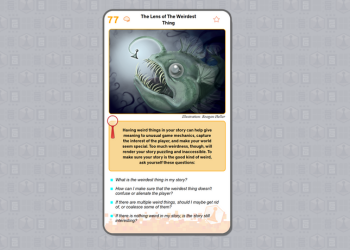
Freedom is one of the things that separates games from other forms of entertainment. To make sure your players feel as free as possible, ask yourself: When do my players have freedom of action? Do they feel free at these times?
The Lens of Freedom
Ecological Freedom: You aren't just chucking Poké Balls at everything that moves. You decide how a Pokémon enters your narrative. For example, once I finally discovered the "waste bin" item in-game, I knew I was on my way to unlocking Koffing. I spent my next few sessions setting up different combinations of trash cans and scrap to lure him in. When he finally showed up, I was elated. Meeting new Pokémon feels like a choice you made, not a random encounter in the tall grass.
Creative Freedom: Taking the Dragon Quest Builders block-style and applying it to Kanto is a stroke of genius. When you’re custom-designing a habitat for a picky Bulbasaur, you aren't just following a quest—you’re expressing yourself.
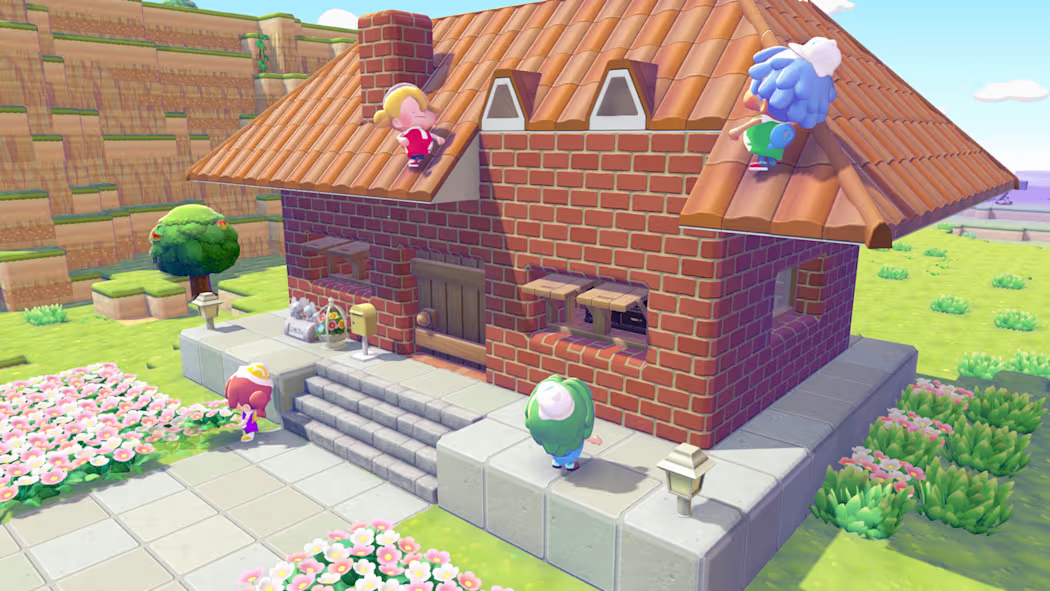
Freedom of Infrastructure: Once you’ve cleared the debris of the Withered Wasteland, the game hands you the blueprints for a functioning society. You can build a sprawling collection of homes in the ruins of Fuchsia or a secluded village atop Mt. Moon. Seeing a Magneton actually powering your town's lights because you built the generator provides a level of creative impact we’ve never had in this franchise.
Pokémon Pokopia, released on March 5, 2026, for the Nintendo Switch 2, is a transformative social simulation and sandbox game co-developed by Game Freak and Omega Force. Stepping away from the traditional "Eight Badges" formula, the game features a Ditto protagonist that mimics human form to rebuild a withered Kanto region. As analyzed through Jesse Schell’s Lens of Freedom, Pokopia grants players unprecedented agency through Ecological Freedom (attracting Pokémon via habitat design) and Infrastructure Freedom (block-based construction of settlements). By replacing linear progression with "Narrative Scaffolding" and manageable real-time constraints, the game successfully bridges the gap between Animal Crossing style cozy simulation and Minecraft style creative liberty.
Nintendo Switch 2
Game Freak
Omega Force (Koei Tecmo)
Jesse Schell
The Art of Game Design
Narrative Scaffolding
Analysis Paralysis
Managed Freedom
Block-based building (Dragon Quest Builders influence)
Prop Hunt (Camouflage ability)
"Cozy by Design"
Who developed Pokémon Pokopia and why?
The game was co-developed by Game Freak and Omega Force. Nintendo chose Omega Force due to their expertise in the sandbox genre (specifically Dragon Quest Builders 2) to help realize director Shigeru Ohmori’s vision of a Pokémon game centered on habitat cultivation rather than just battling.
How does playing as a Ditto change the gameplay?
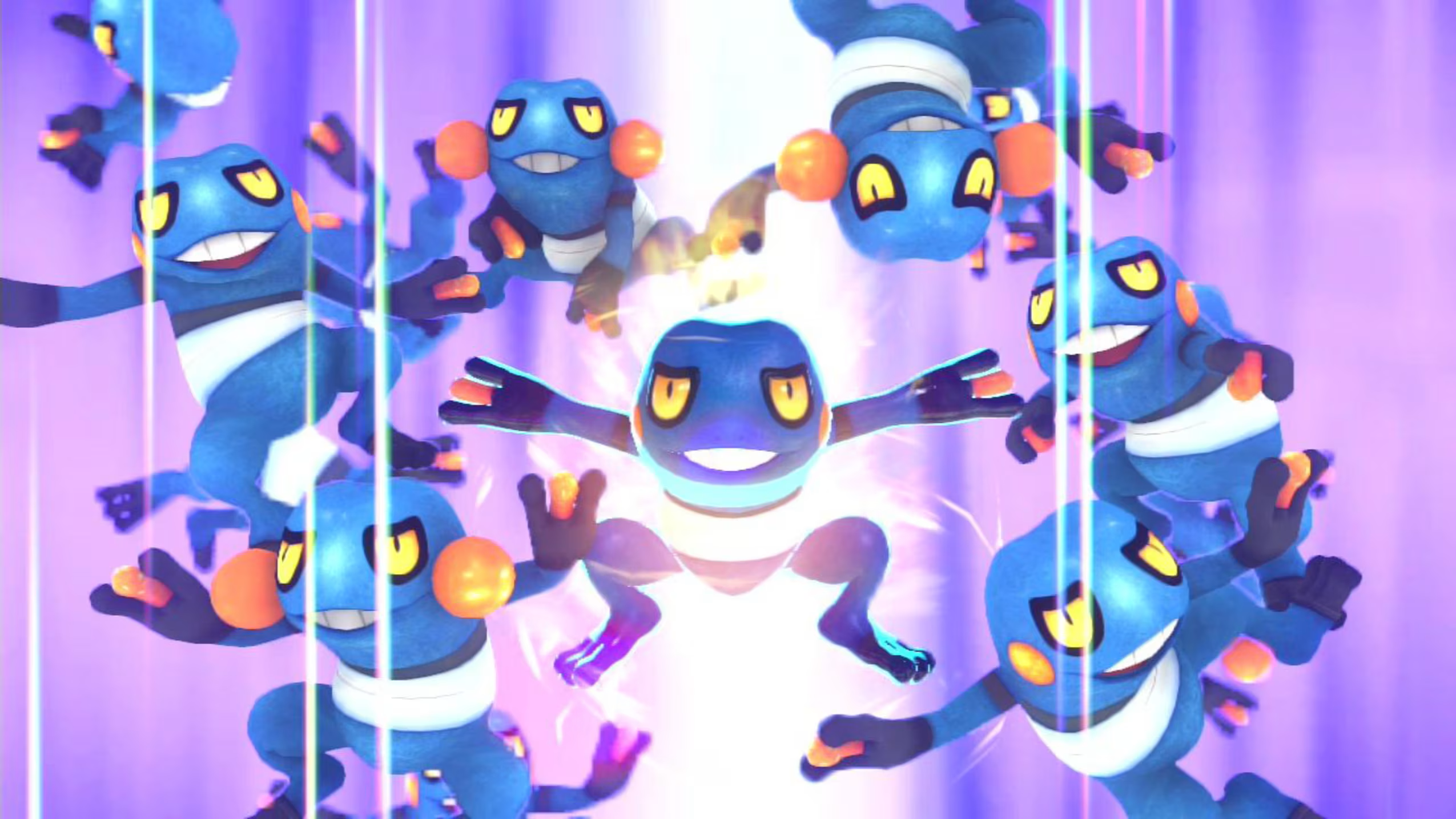
Unlike previous trainers, your Ditto protagonist "is the HM." You learn moves like Water Gun or Cut directly from the Pokémon you befriend to interact with the environment. You also have the Camouflage ability, allowing you to mimic the environment for emergent gameplay like player-organized "Hide and Seek" matches.
What is the "Lens of Freedom" in Pokopia?
It is a design principle from Jesse Schell that asks when players feel truly free. In Pokopia, this is achieved by removing "hard gates" (like needing a Poké Flute) and allowing players to choose their own path—whether that is completing the Pokédex, building a sprawling city, or "vibemaxxing" specific habitats.
What is the most controversial mechanic in the game?
The 24-hour Real-Time Build Clock. Major structures take a literal day to complete. While some find this friction-inducing, it is a form of Managed Freedom designed to prevent burnout and encourage players to explore other biomes or visit friends' islands while waiting.
Is there any combat in Pokémon Pokopia?
No. The game is explicitly described as "replacing conflict with creature comforts." The challenges are environmental and social—solving the needs of specific Pokémon (like the darkness-loving Hoothoot) to encourage them to return to the region.