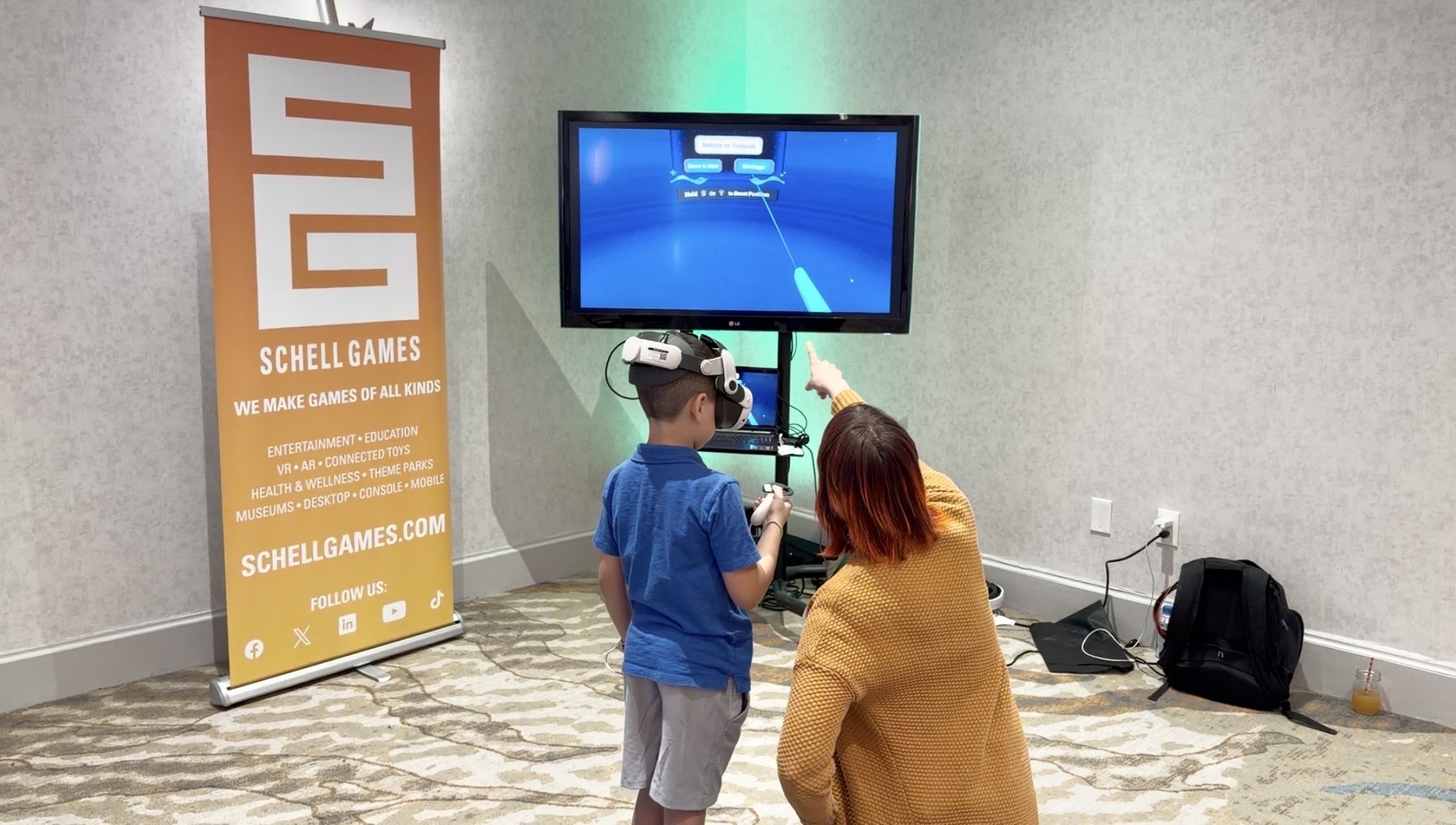
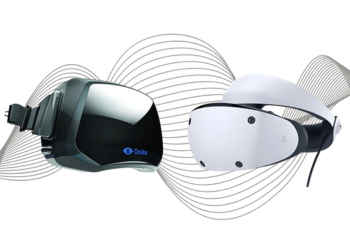
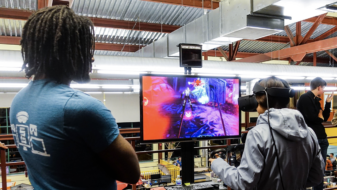
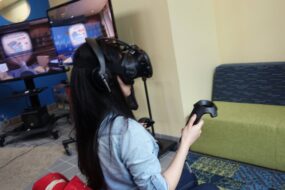
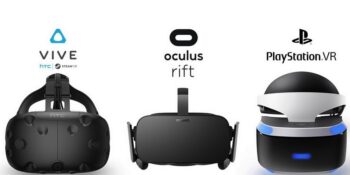
The "Slipping" Headset: Even with lighter headsets and the slimmer lenses of 2026, headsets are often still balanced for adult skulls. Whether it's my kids at home or during playtest sessions, it's still very common to see children constantly adjusting their headsets. This is especially noticeable during high-movement, high-intensity games. Design Tip: Include UI breaks or "check-in" moments that allow players to adjust their fit without missing gameplay.
Tiny Hands & Precise Triggers: Controller grips are still large for an eight-year-old, and trying to reach all the buttons and triggers can quickly tired out small hands. In Silent Slayer: Vault of the Vampire, precision is everything. We’ve found that mapping critical actions to tactile "squeeze" gestures rather than reaching for tiny face buttons helps younger players maintain the steadiness required to disarm a vampire's trap.
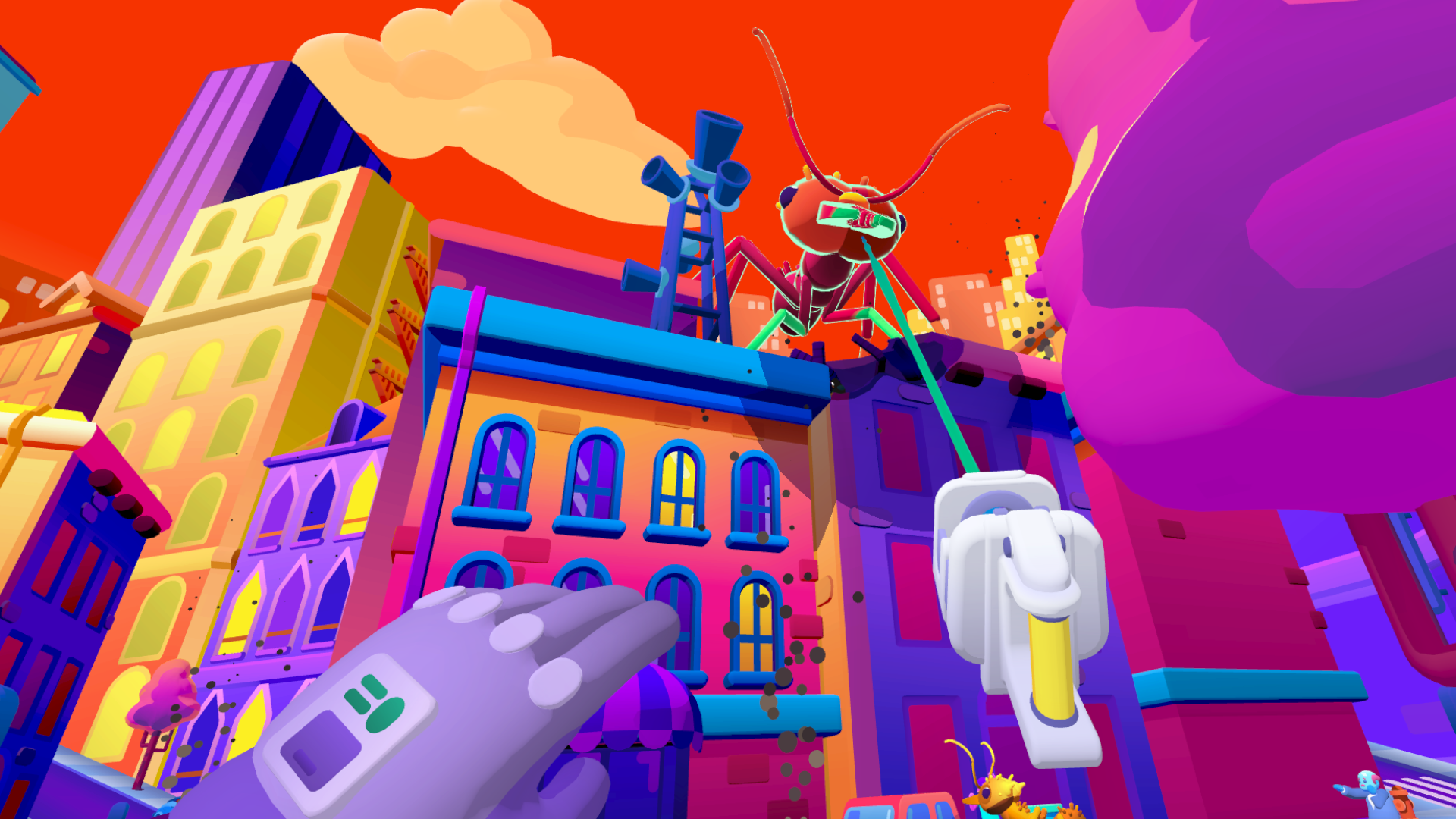
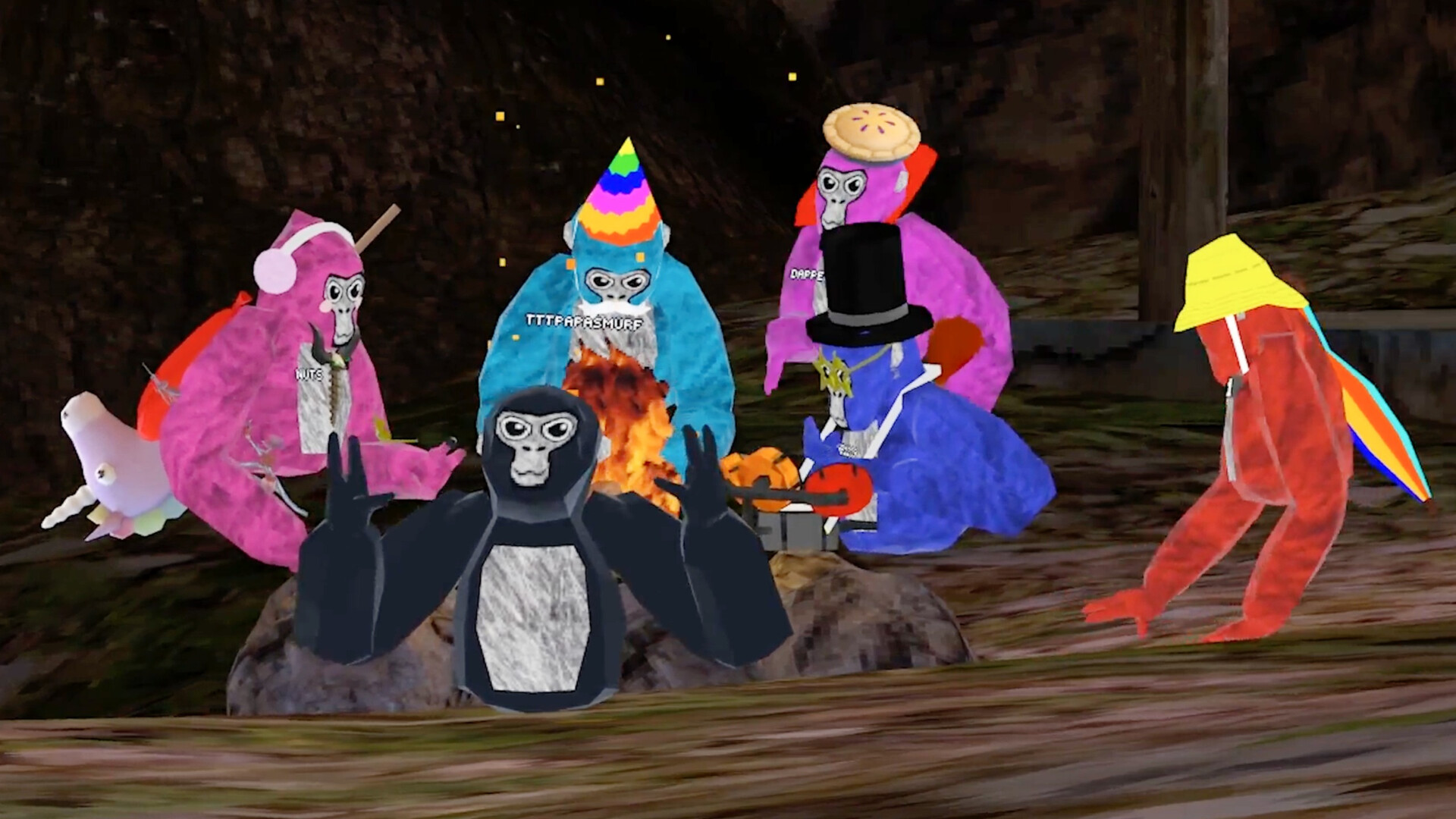
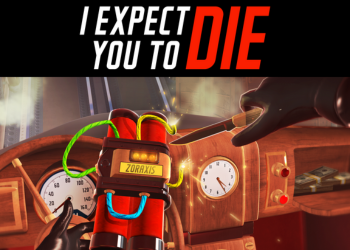
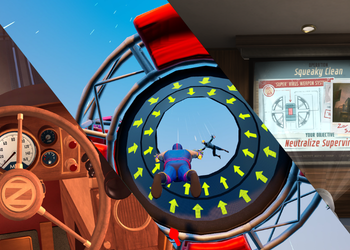
The Height Gap: Don’t put the clues on the top shelf! In our I Expect You To Die series, we solved this using Telekinesis (TK). This allows players of any height to interact with the world comfortably. Similarly, games like Gorilla Tag have their shorter players in mind and adjust to the floor height, effectively leveling the playing field and ensuring taller players pumping their arms higher don't lead to a gameplay advantage.
Age matters. A lot.: The stuff that seven-year-olds like is usually VERY different from the stuff that eleven-year-olds like. Interests, cognitive abilities, reading levels, and dozens of other factors vary drastically as kids age. Particularly if you’re designing for the elementary to middle school range, do your best to pick a very specific age range to target. A three-year spread can still be a lot to cover.
Pro Tip: Always include a "Floor Offset" or "Seated Mode" in your settings. If a child can't reach the virtual table in Lost Recipes, they can't learn the culture.
Mixed Reality (MR) is the Safety Bridge: Handheld AR has evolved into full MR passthrough. For kids, MR is a game-changer because they can still see their bedroom floor, preventing "oopsie" moments like punching the TV or tripping over the cat.
The Power of Physics: Whether it’s the rhythmic combat of Until You Fall or the physics-heavy world of Bonelab, kids expect everything to have "weight." If they grab a sword, they expect it to clink against the wall.
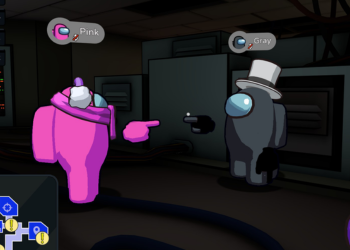
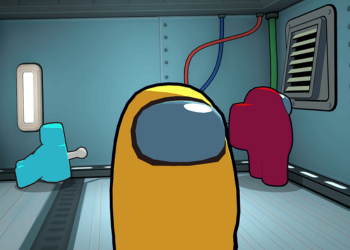
Social Presence: In Among Us 3D, the most successful interaction isn't just the voice chat; it's the pointing and waving. Designing for "body language" allows kids to communicate even if they aren't allowed on voice chat quite yet.
Humor is a Multiplier: The dry wit of "The Handler" and sheer number of ways to expire in I Expect You To Die makes the game "memeable" for a younger audience. If a kid can clip a funny failure and share it, your game wins.
The "Streamer" Effect: Games that look good on a 2D social media feed—like the high-energy movement of Gorilla Tag or the high-stakes tension of Silent Slayer—capture the attention of the "Next Gen" who watch their favorite influencers play before they ever put on a headset.
Community-Driven Content:Rec Room and Roblox VR remain titans because they allow kids to create. Providing "creative modes" or customizable skins is no longer optional; it’s an expectation.
Precision Training: Using the "steady-hand" mechanics of Silent Slayer to teach basic surgical or mechanical concepts.
Cultural Immersion: Using Lost Recipes to teach history through the chemistry of cooking.
Empathy Simulations: Experiences that allow students to navigate social scenarios in a safe, repeatable environment.
The blog post explores how VR and AR design must shift when the target audience is under 18. Abraham highlights that because hardware is primarily designed for adults, developers must account for physical limitations like smaller head sizes (headsets slipping) and tiny hands (difficulty reaching controller buttons). She emphasizes that "Age Matters," as a three-year gap in children can mean massive differences in cognitive ability and interest. The post advocates for early and frequent playtesting with actual children, noting that adults are poor substitutes. Beyond hardware, the article identifies that youth prioritize humorous, memeable content and community-generated features, while educational VR holds untapped potential for empathy training, historical recreations, and physics simulations.
Interpupillary distance (IPD)
child-sized hands
headset weight
shorter height
Telekinesis mechanics
adjustable table heights
controller-based interfaces
Replayability (GTA/PUBG style)
humor
streamers/influencers
community customization
"Tissue Testing" with target age groups
observing unique frustration points
Why do VR headsets often fail for children?
Most VR hardware is built for adult ergonomics. For children, the headsets are often too heavy or loose, causing them to slip during play. Furthermore, the distance between the lenses (IPD) is often wider than a child's eyes, which can lead to blurriness or eye strain.
How should developers design for "Shorter Players"?
Schell Games suggests that developers should never place vital items high up. Instead, they should:
Use Telekinesis: Allow players to "pull" items to them from a distance.
Adjustable Environments: Include a button to raise or lower the floor or work surfaces (like tables) so the child can reach them comfortably.
What is "Child-Sized Affordance" in controller design?
It refers to the physical ability to operate the device. Because kids have smaller hands, they may not be able to reach a "grip" button and a "trigger" simultaneously. Designers must map essential functions to buttons that are close together or simplify the control scheme.
What makes content "Memeable" for the next generation?
Humor is a major driver of engagement. Children look for moments that are funny enough to quote or share with friends. Games that provide "opportunities for funny moments" (like the physics-based chaos in Job Simulator or I Expect You To Die) keep kids talking about the game long after they stop playing.
What are the best subjects for Educational VR?
The post lists several high-potential areas:
Historical Content: Visiting places that no longer exist.
Empathy Training: Seeing the world from the perspective of someone else.
Physics Simulations: Testing gravity or momentum in ways that are impossible (or dangerous) in a real classroom.
Virtual Competitions: Global Model UN or debate clubs where students from different countries can meet in a shared space.
Why is "Community Generated Content" so popular with youth?
Following the "Minecraft Model," children highly value the ability to customize their world and play content made by others. This creates a sense of agency and ownership, turning the game from a static experience into a platform for creativity.