How Mina the Hollower Uses the Lens of Triangularity to Redefine the Genre
July 1, 2026 · insights
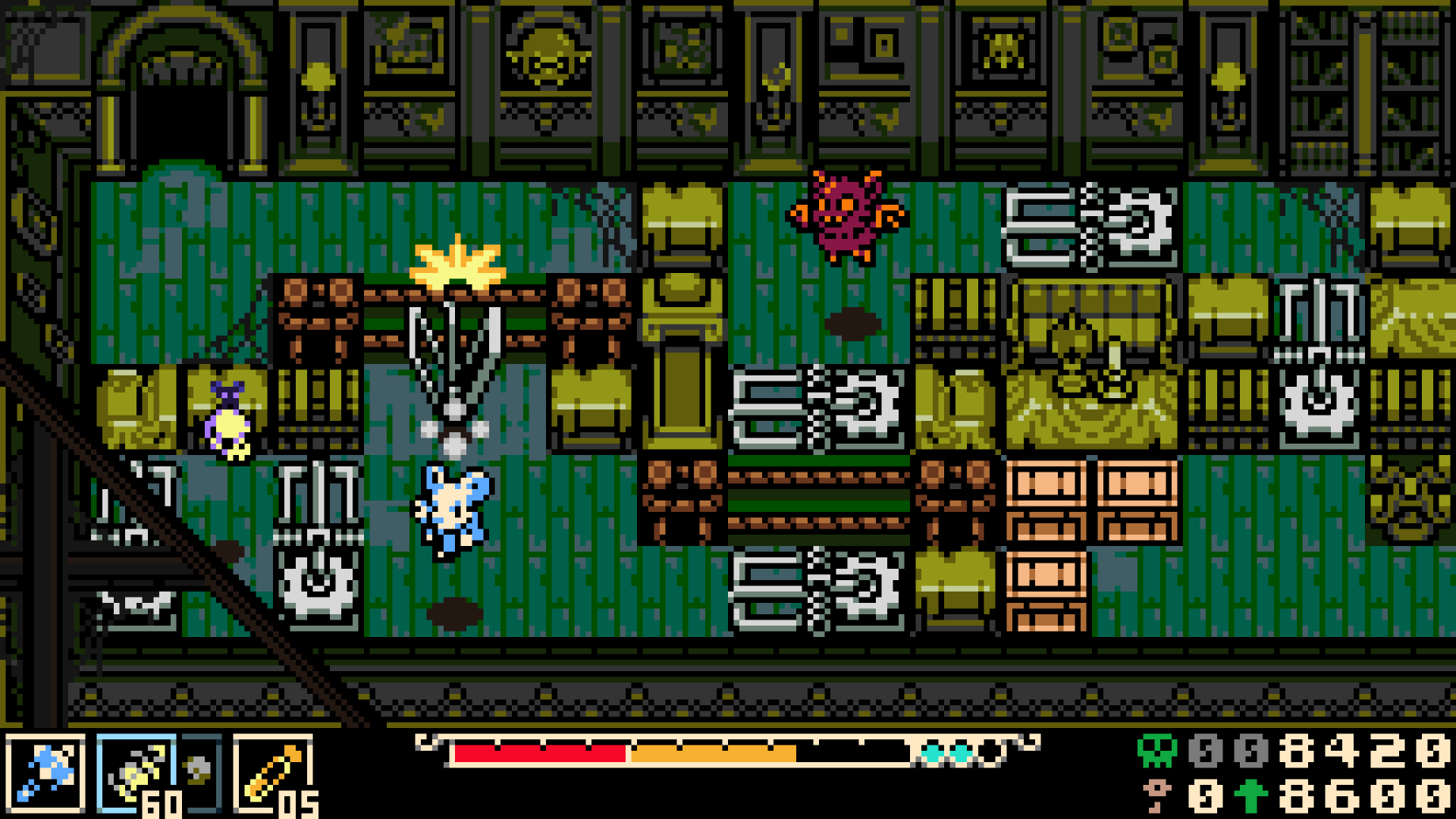
The Low-Risk Option: Walk away from an incoming swing. It's safe, but you gain zero ground and merely reset the neutral state of the fight.
The High-Risk Option: Time the burrow perfectly. If you panic-press the button right as an enemy swings, that little wind-up hop means you’re going to get hit mid-air, often falling down a hole and taking additional damage for your trouble.
Traditional Game
Low Health
Retreat & Search Pots
Safe Recovery
Mina the Hollower
Low Health
Fight Aggressively
High-Risk Plasma Yield
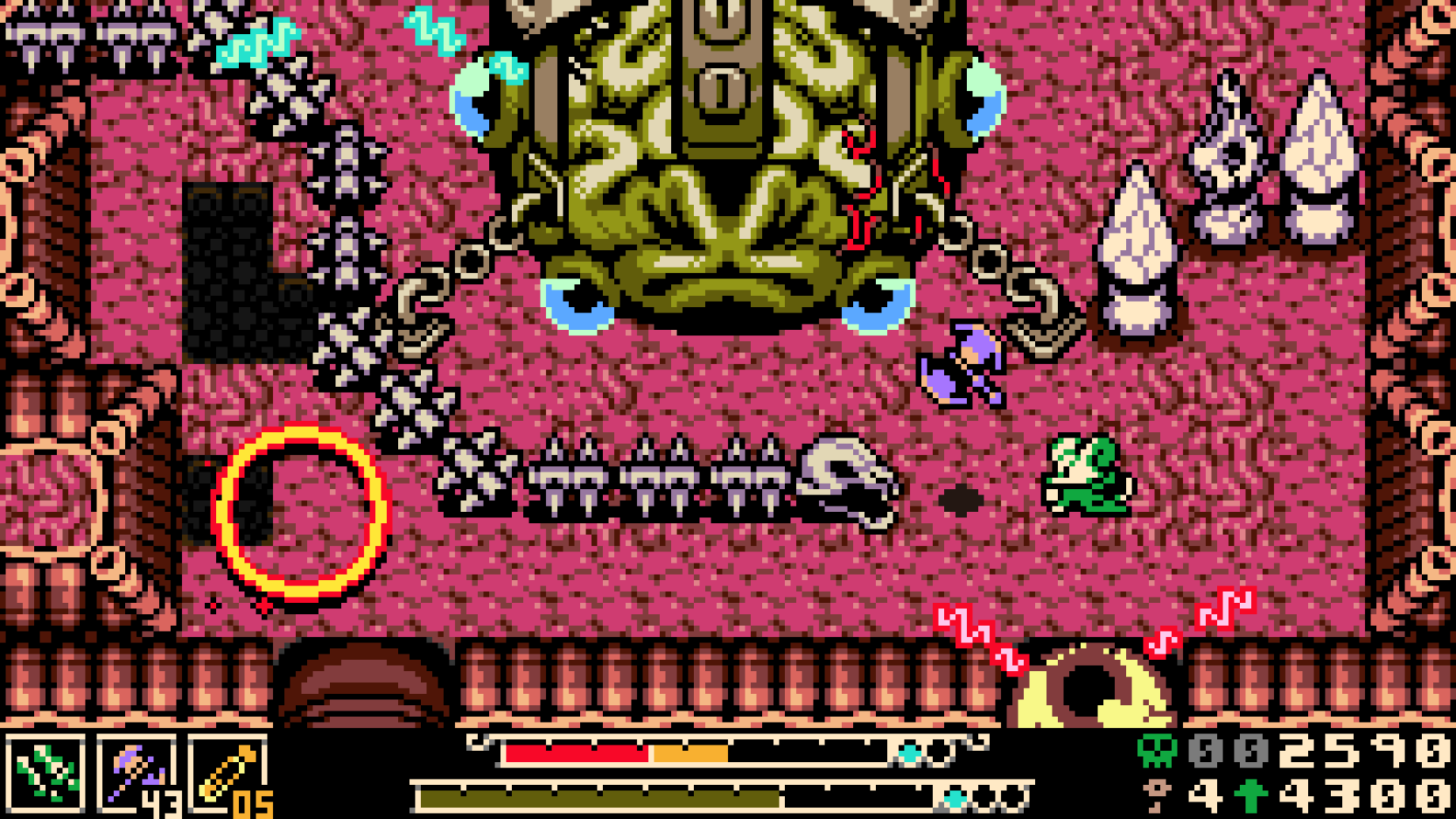
Do you want to get into a high-stakes damage race against a tough enemy by using a full offensive array?
Or do you go for a tactical, stylish approach, teleporting out of danger and landing hits only when it is absolutely safe?
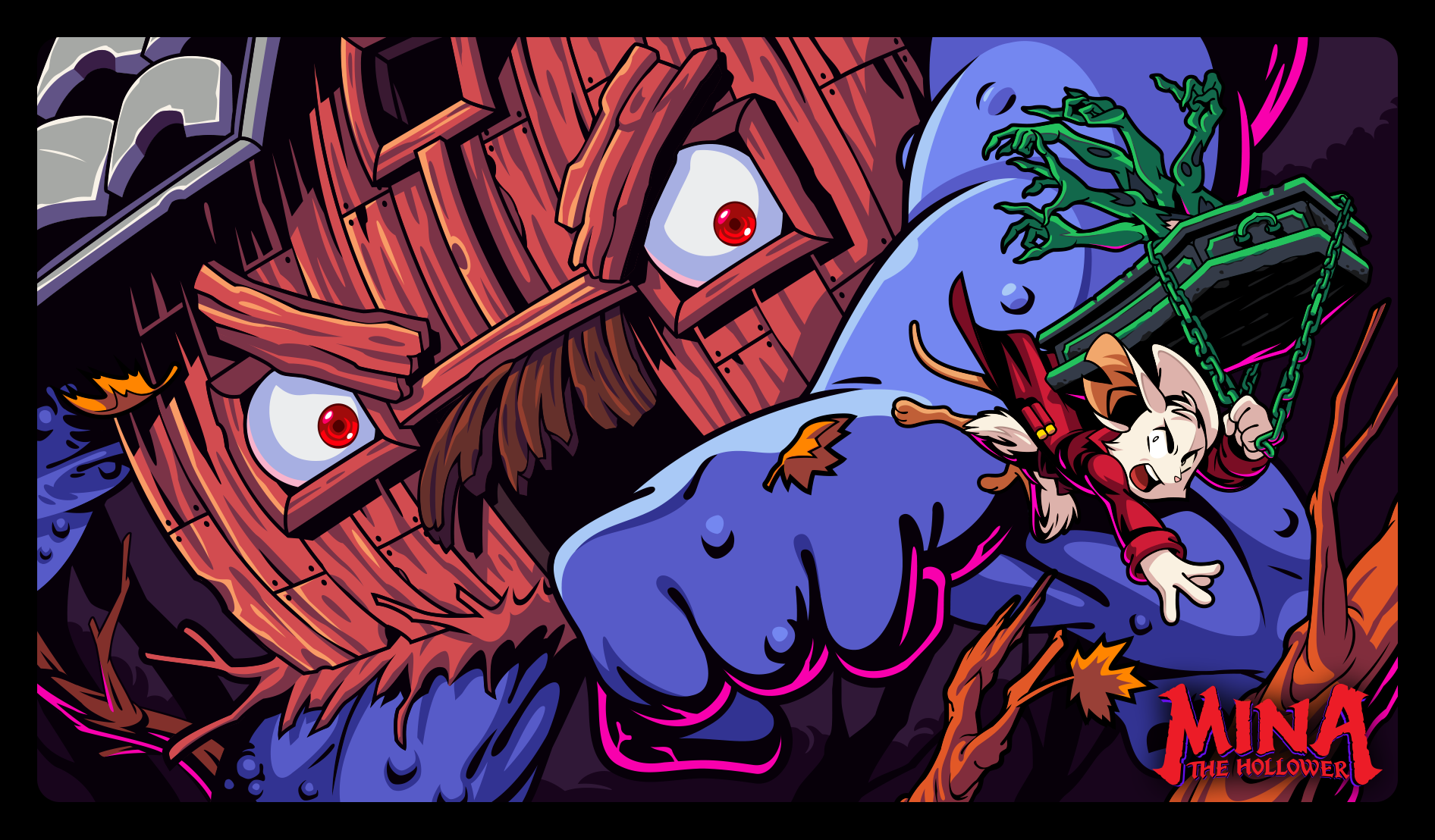
This June 2026 insights article breaks down how Mina the Hollower uses strict mathematical risk-reward loops ("triangles") to combat a pervasive issue in modern gaming: player over-optimization. While standard top-down adventure games offer low-friction escape routes and passive health recovery, Mina deliberately injects mechanical friction across four core design layers. By implementing startup lag on its signature burrowing movement, an aggressive combat-fueled Plasma healing system, high-stakes Sidearm scarcity, and a volatile unified currency known as Bones, the game continuously forces players out of their comfort zones. The post highlights Yacht Club Games' ability to blend the visual nostalgia of Game Boy Color classics like Zelda: Link's Awakening with the uncompromising design philosophies of Mega Man and Dark Souls.
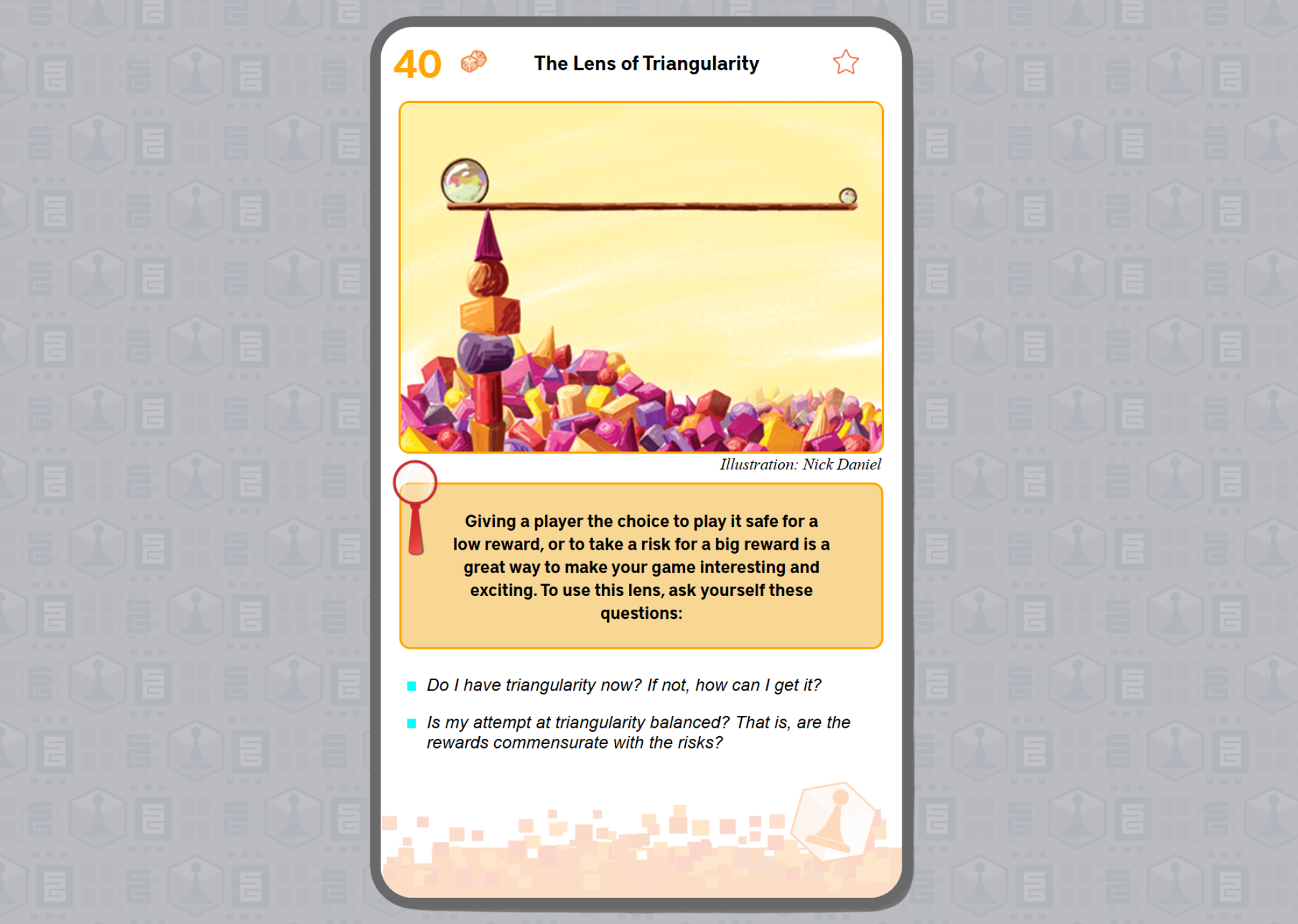
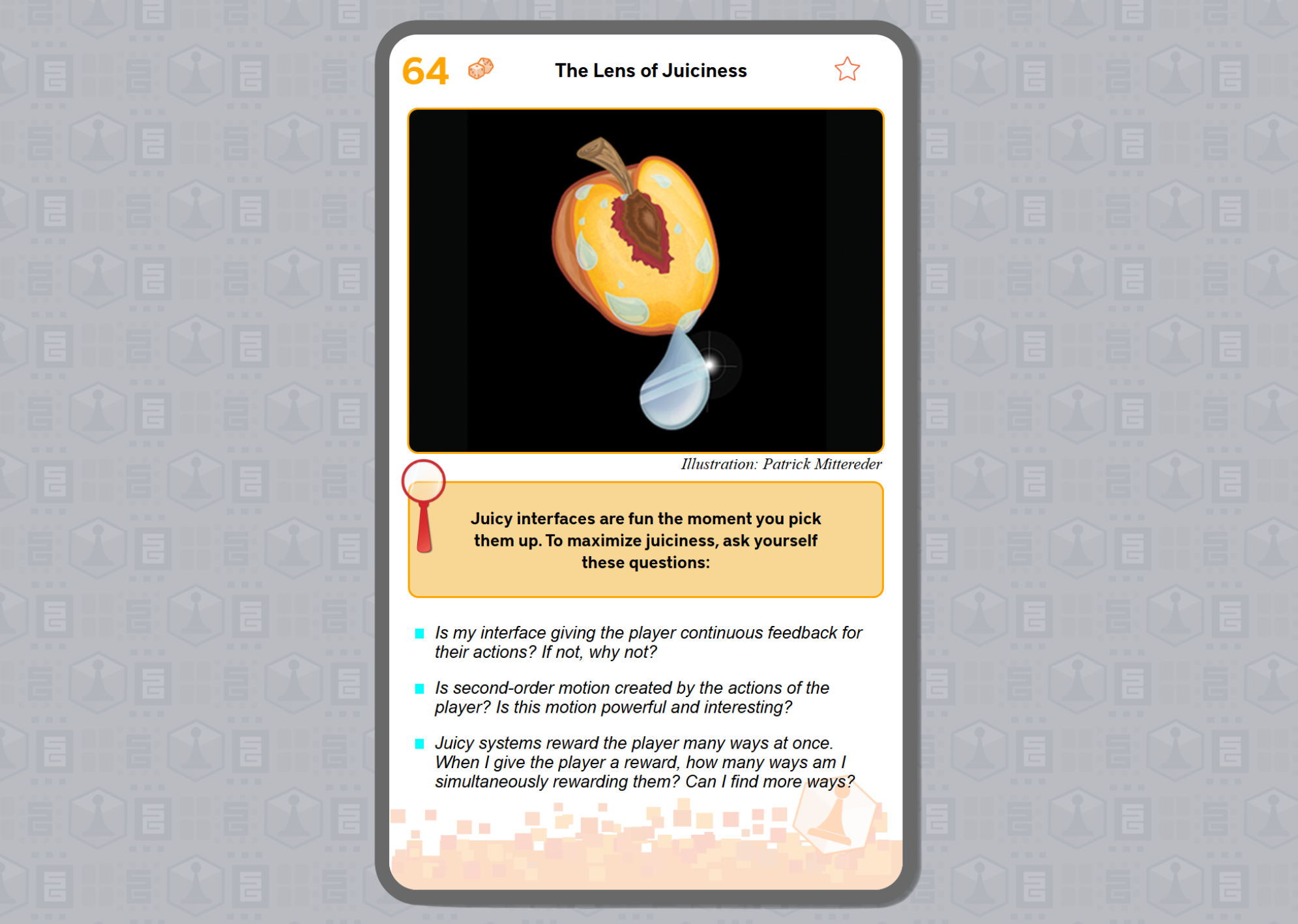
Lens #40: The Lens of Triangularity (The Art of Game Design)
Yacht Club Games (Shovel Knight creators)
The Legend of Zelda: Link's Awakening / Oracle of Seasons
Dark Souls
Mega Man
Castlevania
Tunic
Mina the Hollower
Jesse Schell
The Deck of Lenses
What is a "Triangle" according to Jesse Schell's design philosophy?
A triangle is a fundamental game design loop balancing Risk vs. Reward. It establishes three distinct points: a safe baseline (low risk, low reward), a dangerous gamble (high risk, catastrophic failure state), and an optimized payoff (high reward for high player skill). It transitions players from merely trying to survive into actively courting danger to maximize efficiency.
Why does the author argue that player optimization can cause boredom?
Left to their own devices, players naturally default to the safest, lowest-friction strategies to guarantee victory. Once a player "min-maxes" their loadout or identifies a repetitive, safe tactic, the tension evaporates. Mina the Hollower intentionally designs mechanical obstacles into basic actions to shatter this safety net and maintain psychological engagement.
How does the game's map layout mirror the spatial design of Dark Souls?
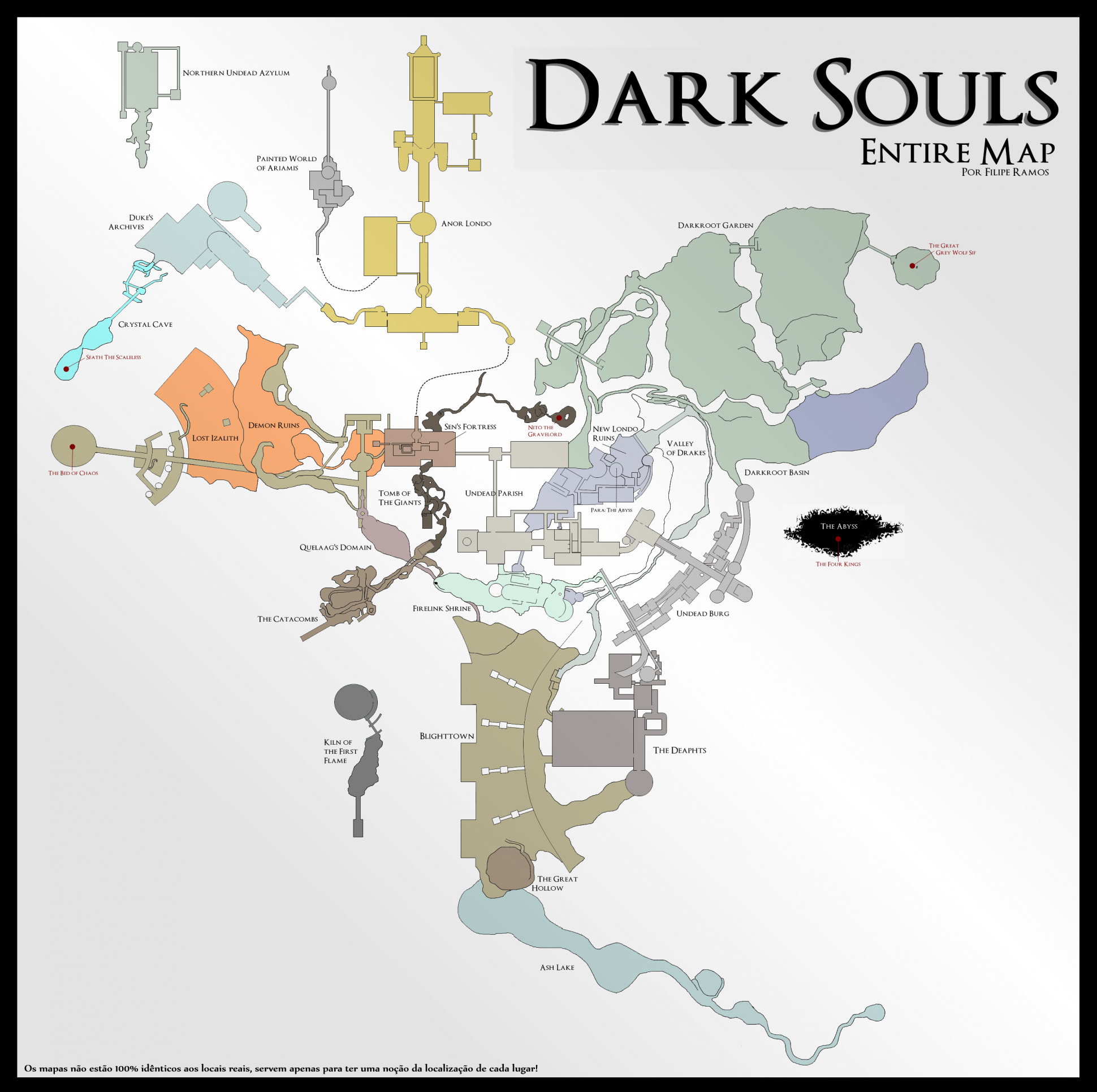
The levels use tight, vertical, and loop-based architecture. Players must push through punishing corridors with dwindling resources until they discover a hidden lever or stone wall. Activating these hidden targets loops them directly back to their central checkpoint. The ultimate reward is a permanent, structural reduction of risk for that specific geographical zone.
What makes the "Bones" economy a dynamic psychological tension tool?
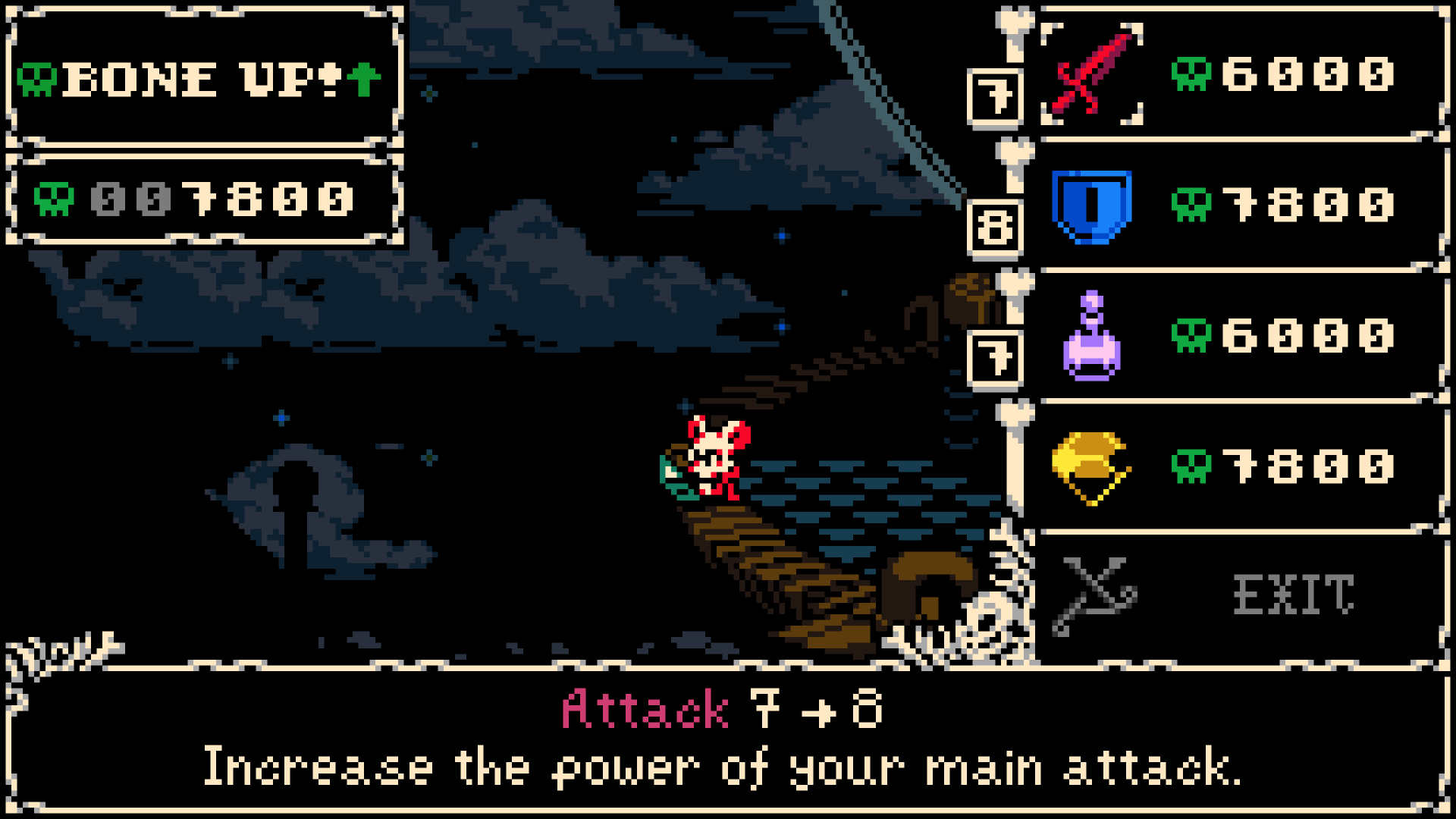
Because Bones act simultaneously as your money and your experience points, they are incredibly volatile. If a player enters a room with zero Bones, the level feels low-stakes. If they enter that exact same room just short of a major level-up, the geometry of the map is psychologically transformed into a terrifying gauntlet, because a single mechanical mistake means losing hours of progress.