- anchor your design in feeling rather than feature parity
- treat accessibility as a monetization strategy
- build for platform flexibility from day one
- plan your handoff before you ever ship your first build
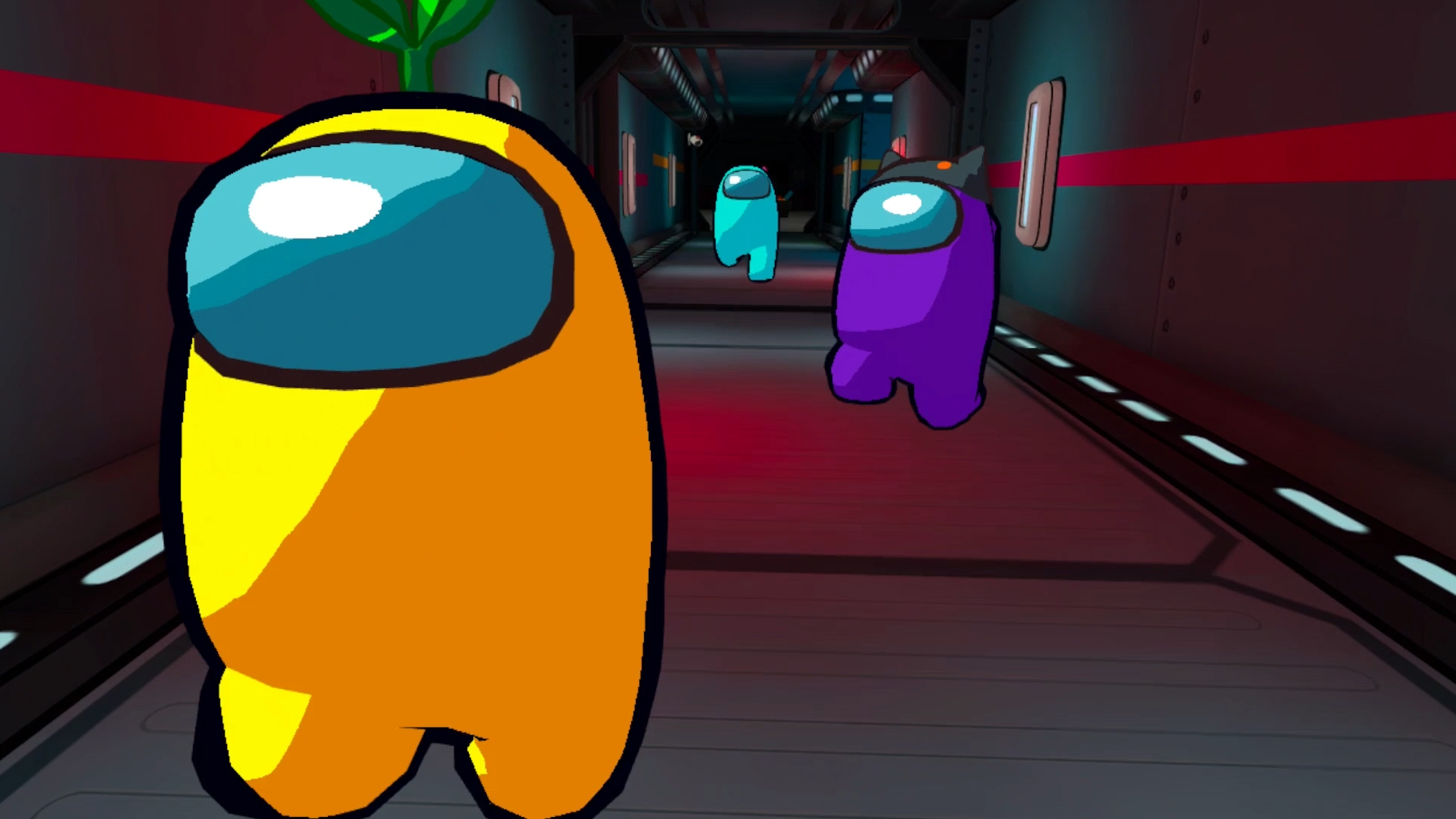
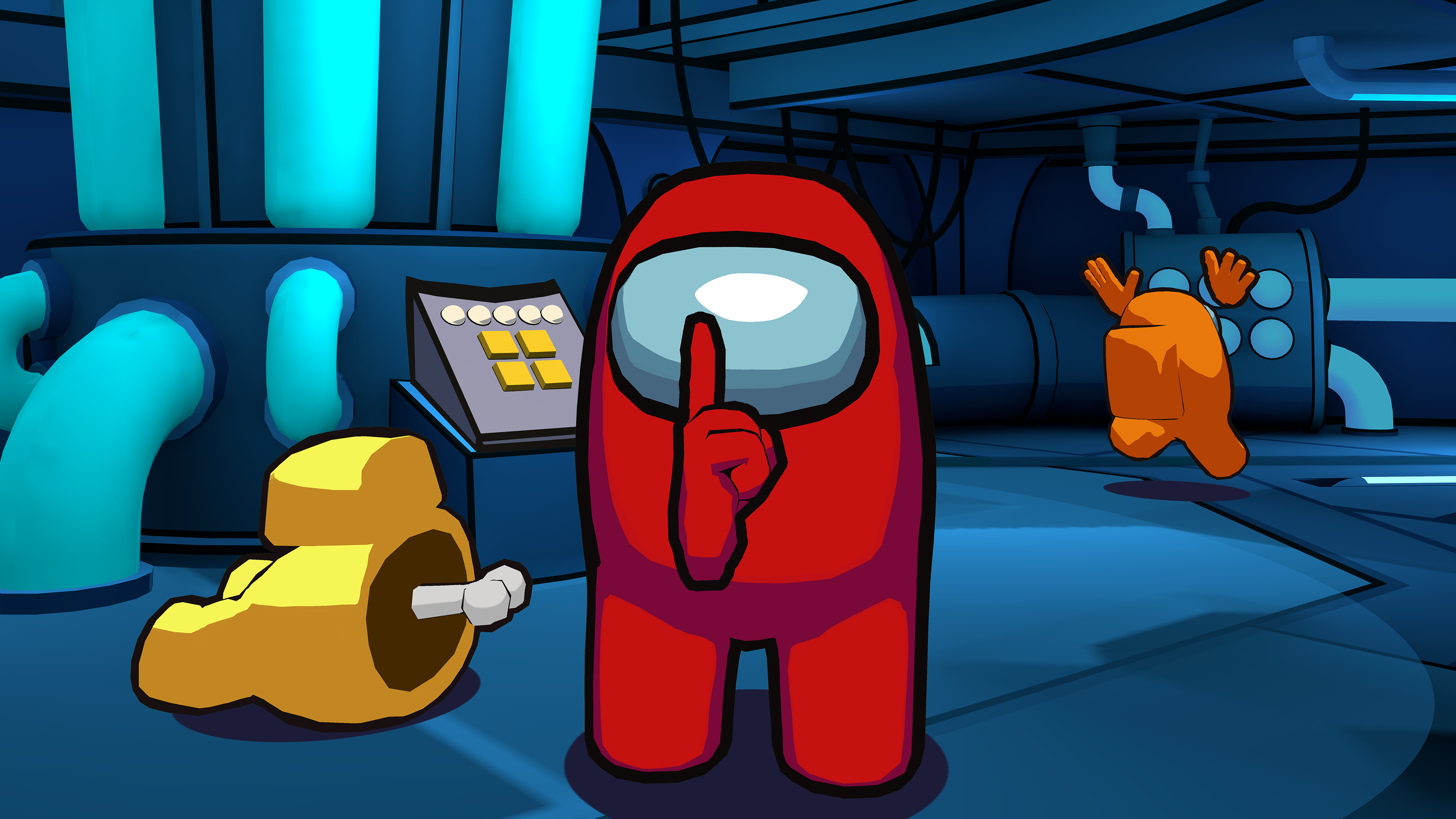
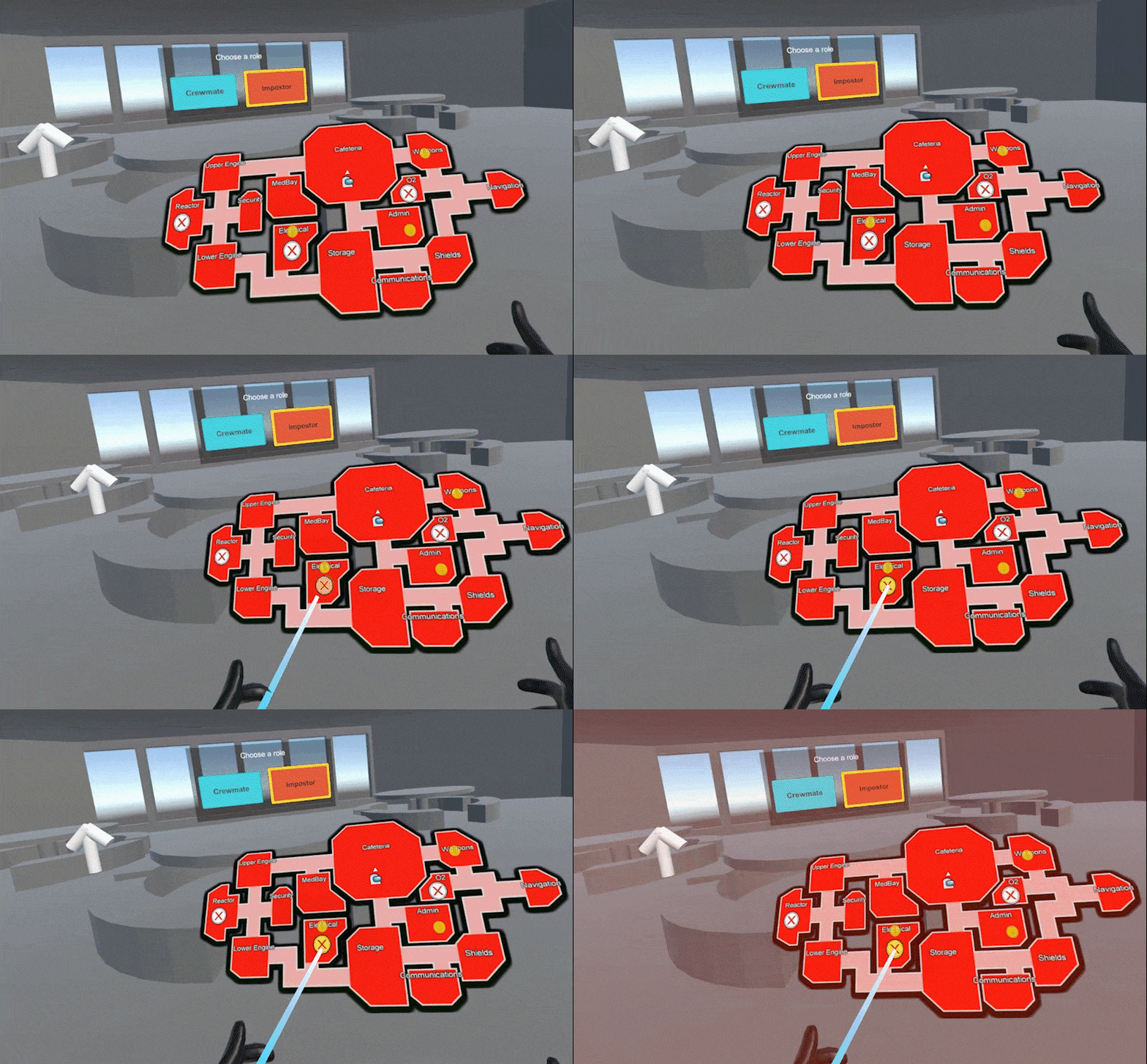
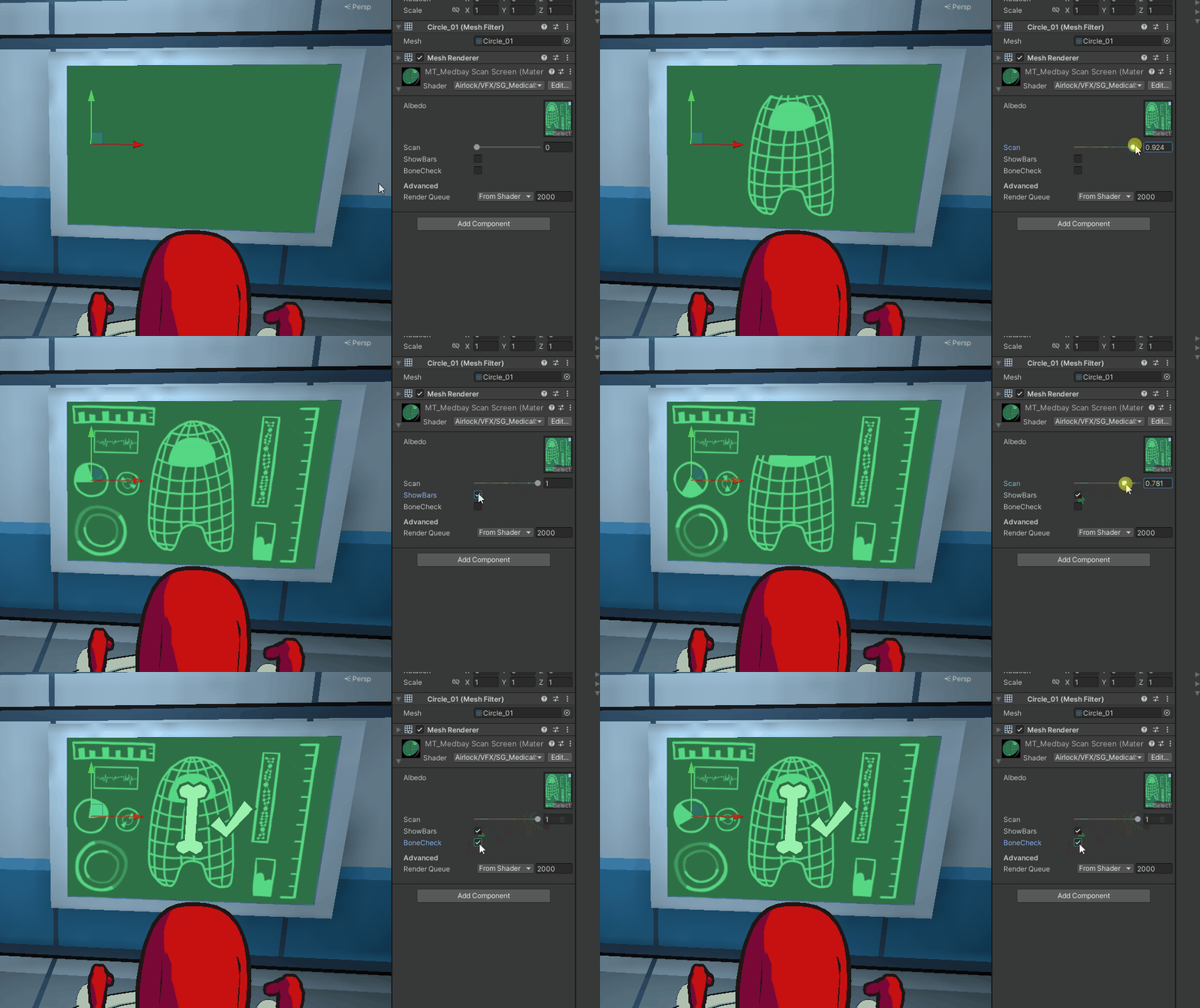
This post breaks down the strategic partnership between Schell Games, Innersloth, and Robot Teddy to bring Among Us to virtual reality. The "betrayal" mentioned in the provocative title refers to the design philosophy of betraying player expectations of parity: rather than creating a 1:1 port of the 2D game, the team focused on "re-imagining" the experience specifically for VR. Key technical hurdles included managing 360-degree line-of-sight (which fundamentally changes the "Impostor" meta) and ensuring the hand-drawn aesthetic translated to a 3D world. The blog highlights four core pillars for successful IP translation: anchoring design in feeling over features, treating accessibility as a core strategy, building for cross-platform flexibility, and planning for a sustainable long-term handoff between studios.
- Schell Games
- Innersloth
- Translating 2D sprites into "Beancraft" (3D character modeling)
- Scalable VR development
- Platform flexibility (Meta Quest
- PCVR
- PS VR2)
- and 3D Line-of-Sight mechanics
- PICO
- Victoria Tran
- Social Deduction
- Multiplayer VR
- Why does the blog say they "Betrayed" millions?
- The title is a play on the game's theme of betrayal. In a design sense, they "betrayed" the idea of a direct port. For example, in 2D Among Us, you have a bird's-eye view of everything around you. In VR, the team had to "betray" that safety by giving players a first-person perspective, meaning an Impostor can be standing directly behind you without you knowing.
- What was the biggest challenge in moving from 2D to 3D?
- Line-of-sight. In the 2D version, the "fog of war" is a technical overlay. In VR, the team had to use the environment itself (walls, crates, and corners) to create "social blind spots." This required a complete redesign of the Skeld map to ensure that tasks felt dangerous because they forced you to turn your back to the room.
- How did they maintain the "Innersloth" look in VR?
- The team spent months on "Beancraft"—the art of turning the flat 2D "Beans" into 3D models that still felt hand-drawn. They used custom shaders to maintain the thick black outlines and vibrant colors of the original art style, ensuring the characters felt "squishy" and expressive even in a 3D space.
- What is "Accessibility as a Monetization Strategy"?
- The blog argues that the more people who can physically play your game without motion sickness or complicated controls, the larger your potential paying audience. By spending a massive amount of time on "comfortable" locomotion and simple one-handed task interactions, they ensured the game was accessible to casual fans of the 2D game who had never used VR before.
- Why was "Handoff Planning" mentioned?
- Schell Games often acts as a specialized development partner. The blog emphasizes that for a major IP like Among Us, you must build the codebase so that it can eventually be managed or updated by the original IP holders (Innersloth) or other partners, ensuring the game lives on long after the initial launch period.