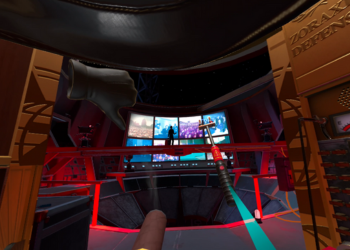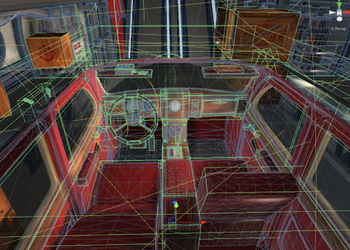
Fun Fact: This level is a massive love letter to the very first mission of the original game. It evolved from a stationary car into a fully navigable stage full of traps and high-speed movement.
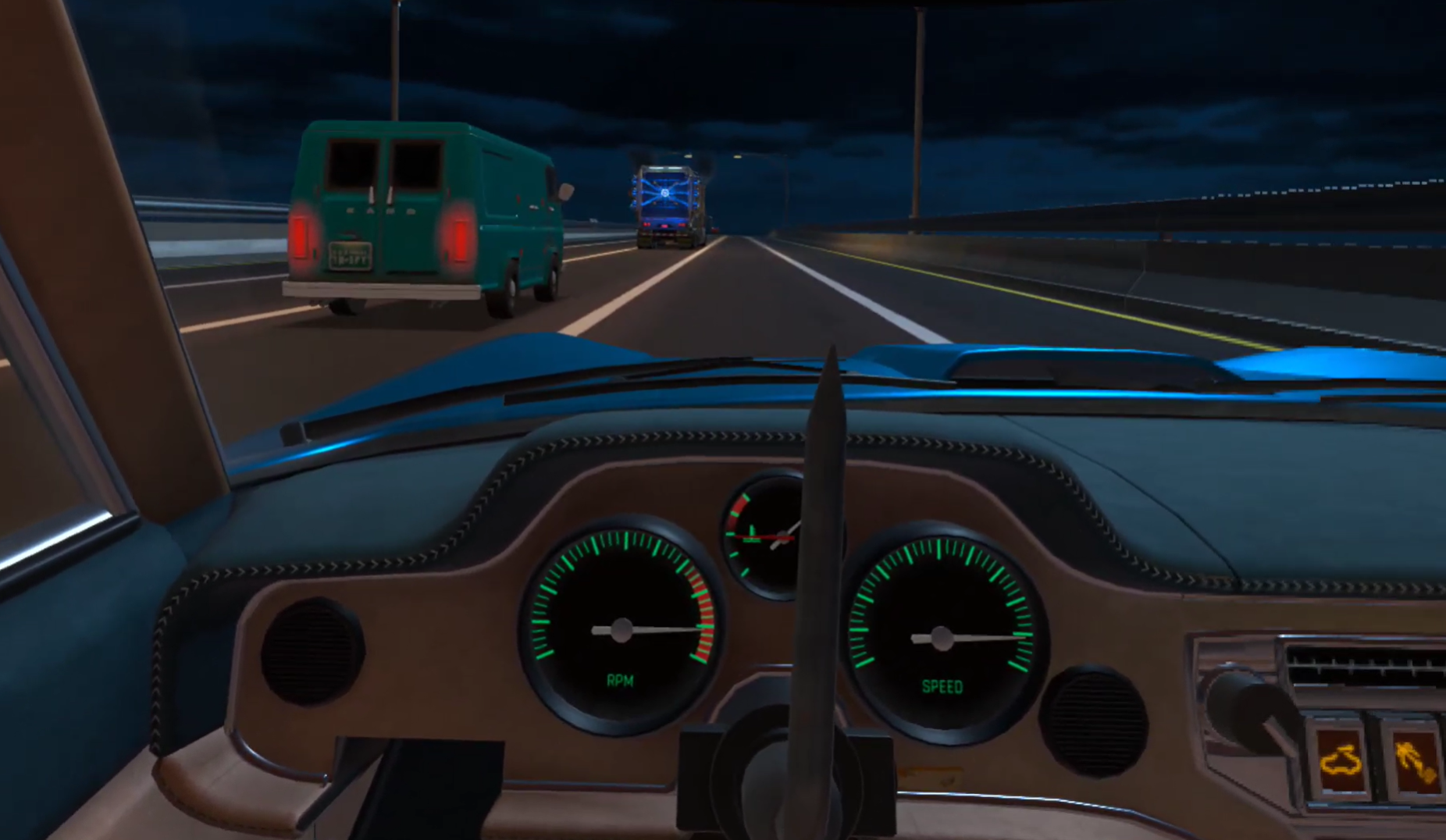
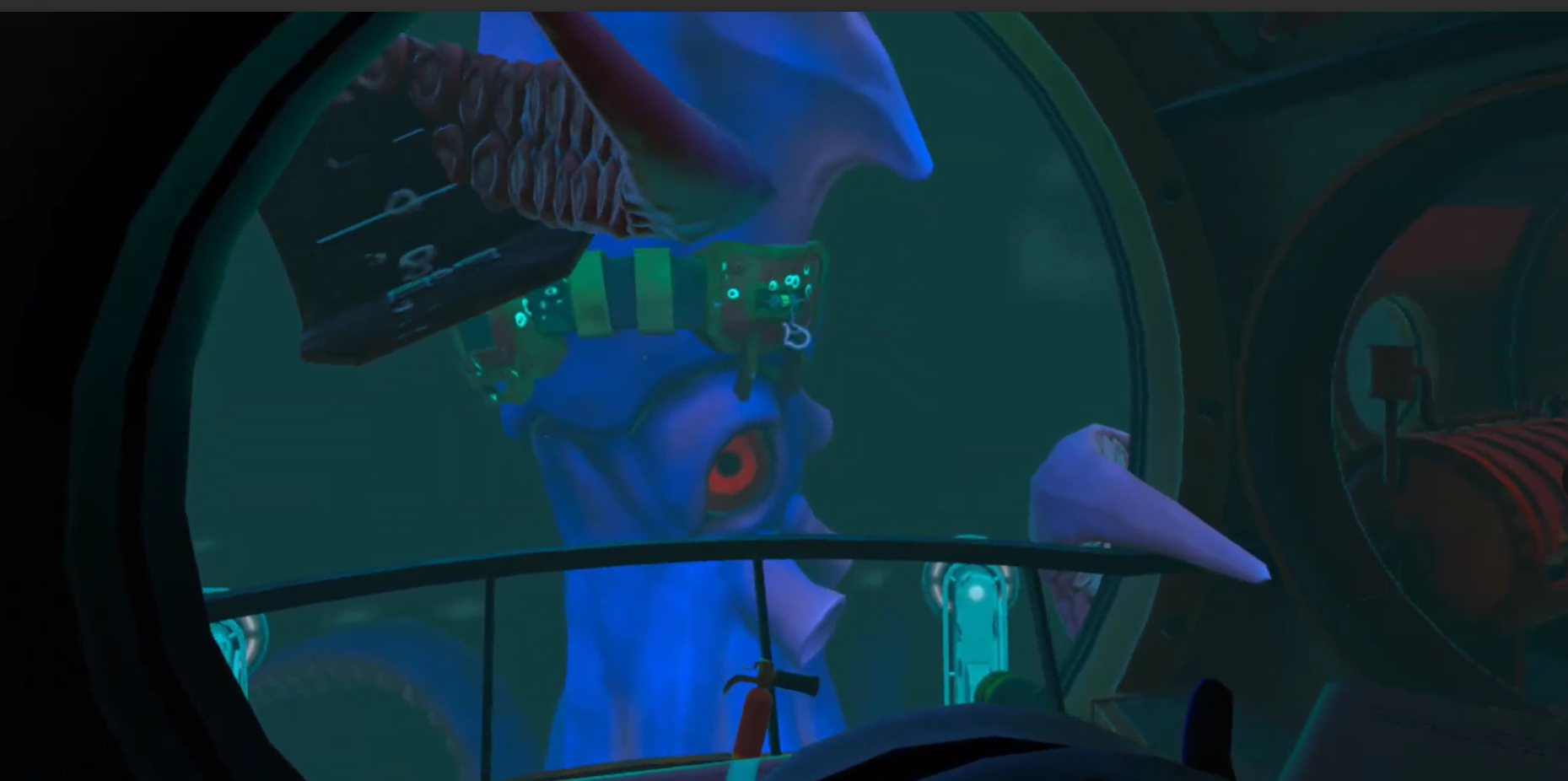
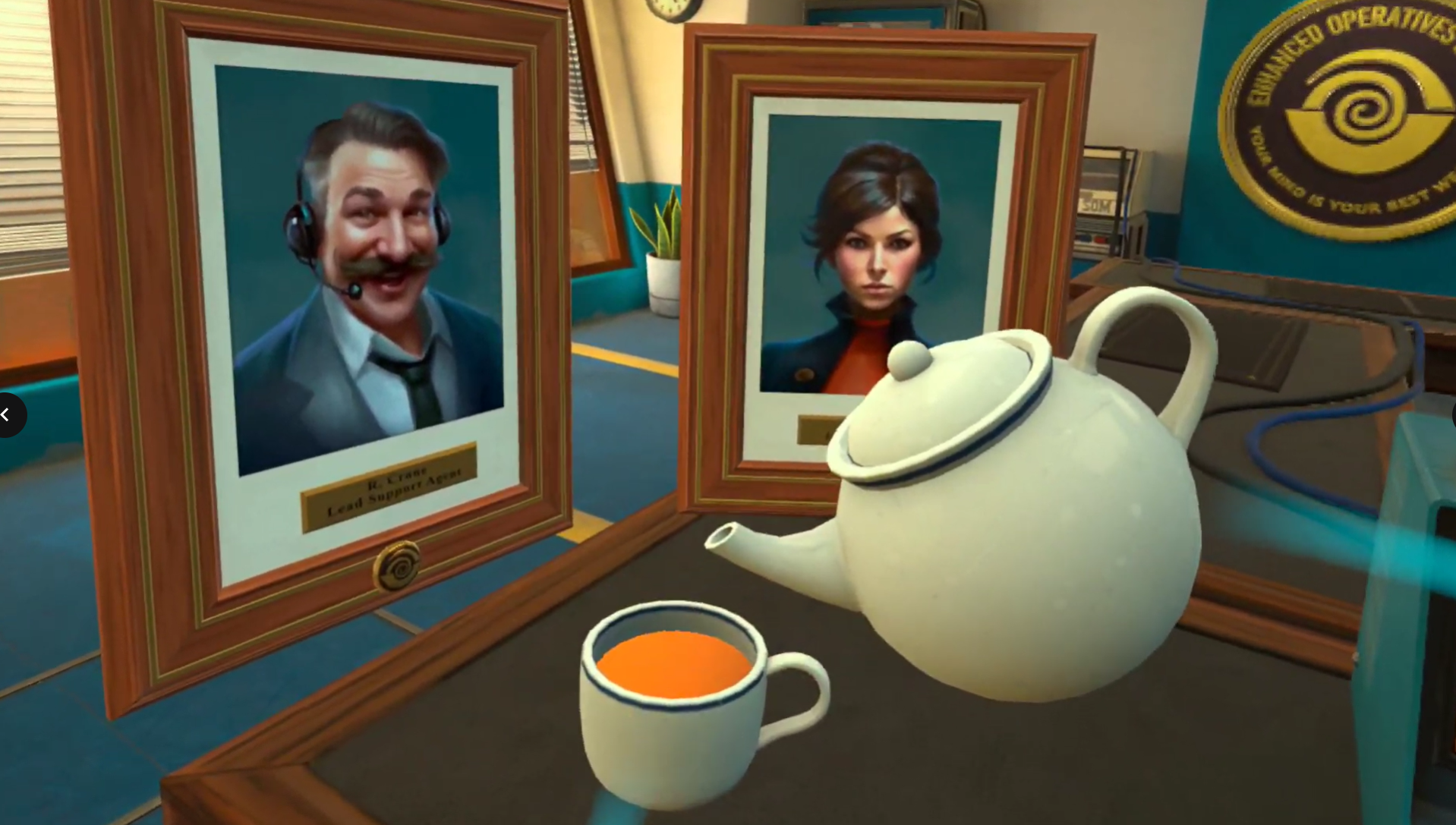
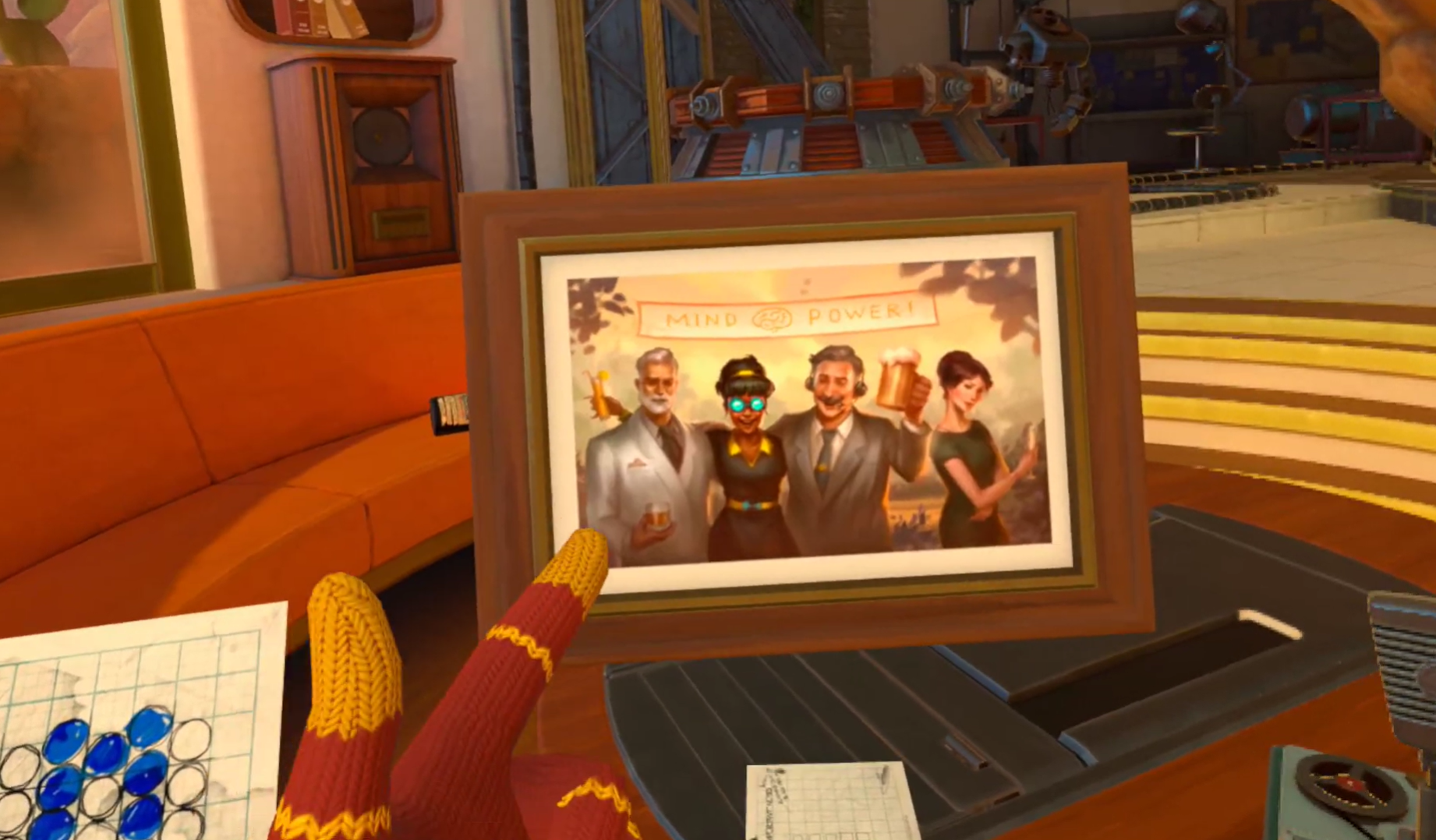
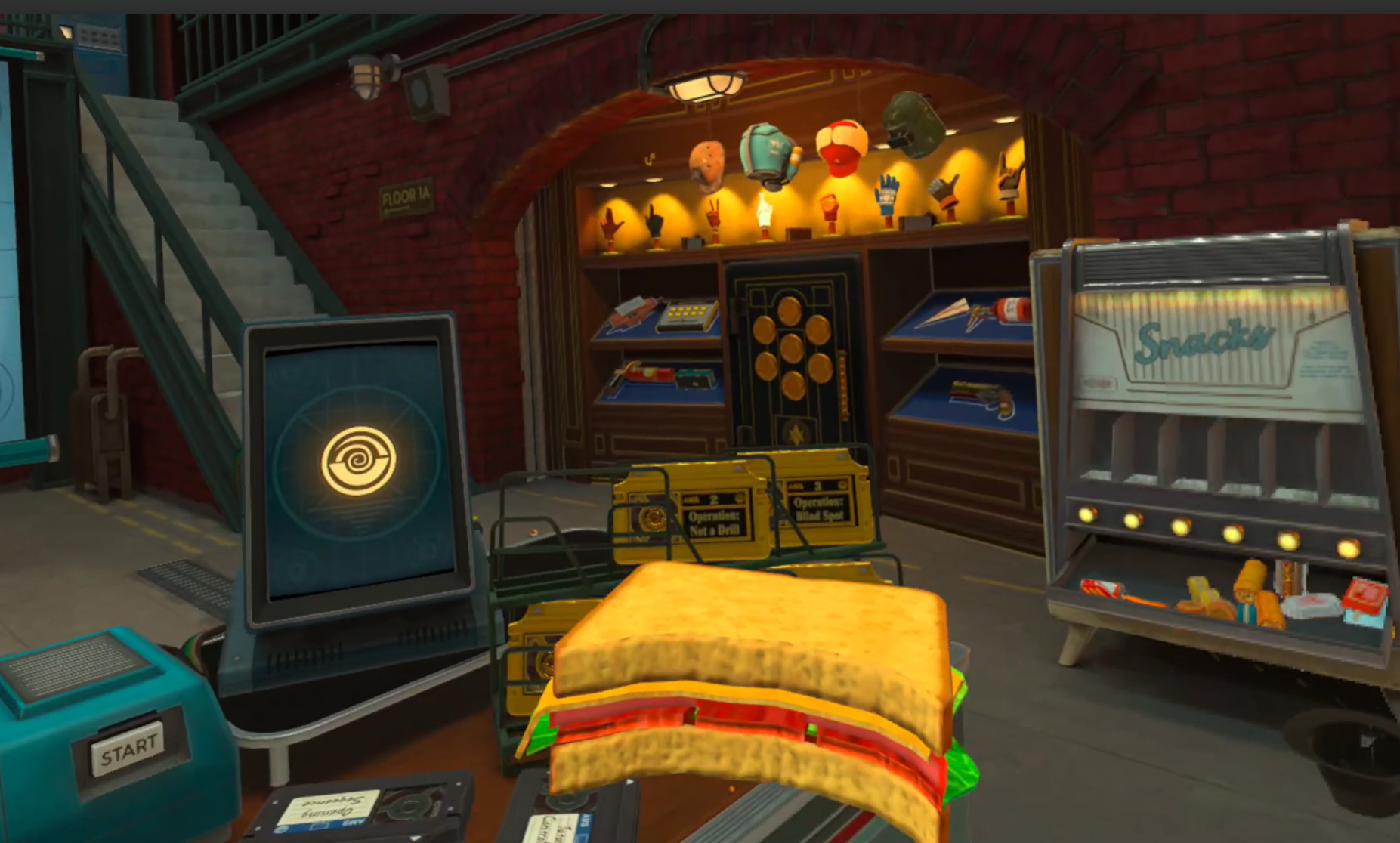
The April 24, 2026, "Classified Files" briefing reveals that I Expect You To Die 3: Cog in the Machine was developed using a "pod" system, allowing the team to simultaneously build ambitious technical milestones like Operation: Blind Spot. This level serves as a high-speed, navigable evolution of the original game's car mission, utilizing vignetting and environmental shielding to maintain VR comfort. The blog also confirms the long-awaited arrival of the Giant Squid in Operation: Hot Water, powered by liquid physics tech originally created for HoloLAB Champions. Narratively, the developers dropped major "lore bombs," officially confirming that Valerie Vitti is the Phantom and revealing that Dr. Zor took the mysterious photo in Prism’s home. While the team considered a "Heel-Turn" plot where the Handler and Phoenix go rogue against the Agency, they ultimately scrapped it to preserve the Agency as the series' essential "anchor."
- Dr. Prism
- the Agency vs. Zoraxis
- the history of the Agency’s robotics program
- Rebuilt Telekinesis (TK) 2.0
- haptic feedback profiles
- advanced physics simulations
- blueprint Easter eggs
- interactive backstory artifacts
- Dr. Roxana Prism
- The Handler (Reginald)
- Valerie Vitti (The Phantom)
- Dr. Zor.
- Blind Spot (High-speed bridge chase)
- Hot Water (The Squid level)
- Cold Shoulder
- KBOOM
- Jared Mason (The "Mason Cut" voiceovers/music)
- Who is Dr. Prism and why is she significant to the lore?
- Dr. Prism is the primary antagonist of IEYTD 3. She was once the Agency's lead scientist responsible for developing the very telekinetic implants the player uses. Her defection to Zoraxis provides a narrative "mirror" for the player, as she uses the same technology and logic they rely on to create obstacles, effectively making the game a battle of wits between a creator and her creation's successor.
- Does Valerie Vitti being the Phantom change the Agency's status?
- While it confirms a rogue element, the developers believe the Agency remains the "world's anchor." The Handler’s evolution from seeing you as "expendable" to a genuine partner suggests the Agency is capable of growth, even if its history is messy.
- Why did the team decide against a "rogue agent" storyline where the Handler and Phoenix turn on the Agency?
- The developers debated this "Heel-Turn" plot heavily, but ultimately realized the Agency is the anchor of the entire universe. While villains like Dr. Prism can come and go, destroying the Agency would have effectively ended the franchise. They decided that there were still too many stories to tell within that world to burn it down just yet.
- Is Dr. Prism a traditional "evil" villain?
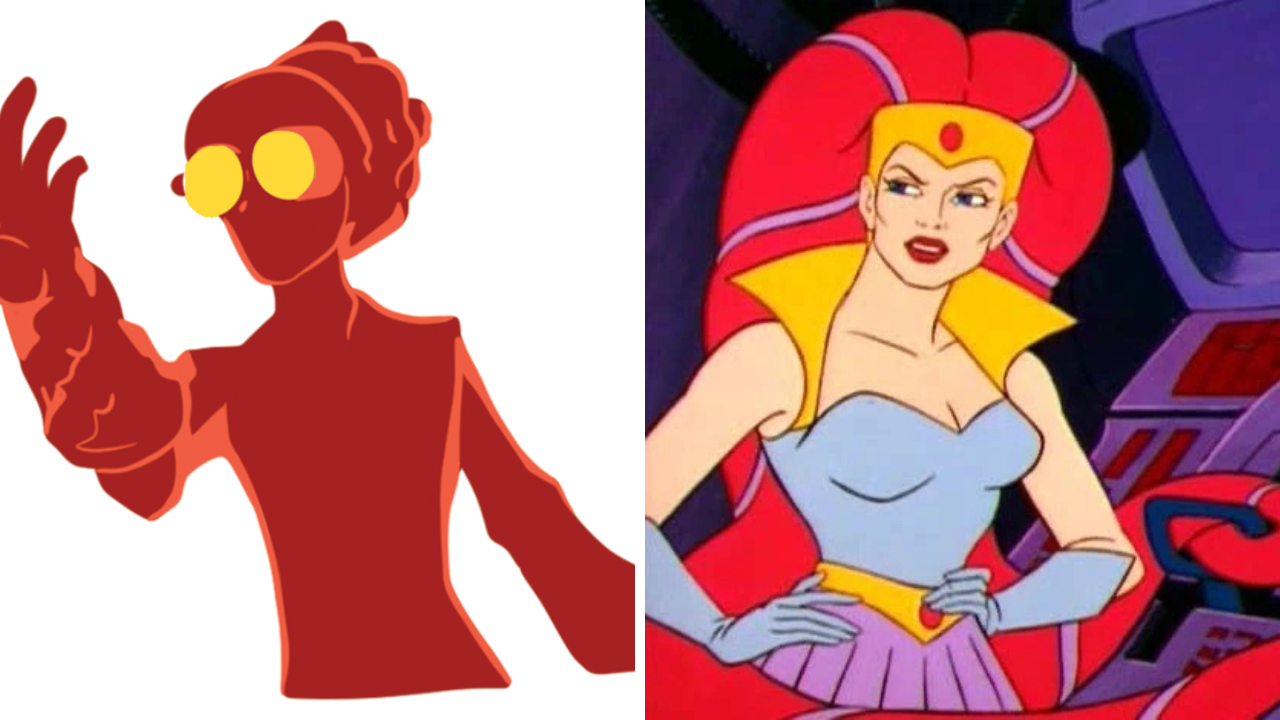
- Not exactly. Her character was inspired by Entrapta from She-Ra, meaning she follows a "scientific compass" rather than a moral one. Her motivation isn't to rule the world, but to prove the Agency wrong about the limitations of human agents versus machines. The scrapped "Grief" level was intended to show that she actually "loves" agents in her own way—she just wants to make them "better" through robotics.
- What was the purpose of the "vignetting" in the bridge chase?
- During Operation: Blind Spot, the team used vignetting (subtly narrowing the player's field of vision during high-speed movement) as a technical tool to combat motion sickness. Because the level evolved into a fully navigable, high-speed stage, these visual "blind covers" were necessary to keep the player's brain from getting disoriented by the fast-moving environment.