- Determine what a reasonable asking price for a game like Orion Trail is.
- Find out what contemporary Kickstarters look like in terms of layout.
- Find out what contemporary Kickstarter reward tiers look like.
- Create a budget for Orion Trail that we believe in.
- 45% of Games projects raised less than $10k.
- 46% of Games projects raised between $10k and $100k.
- 9% raised $100k.
- On average, a game project in 2014 raised $38,500, compared to $71,300 in 2013.
- Nearly 30-40% of backers will pledge at the lowest tier that comes with the game.
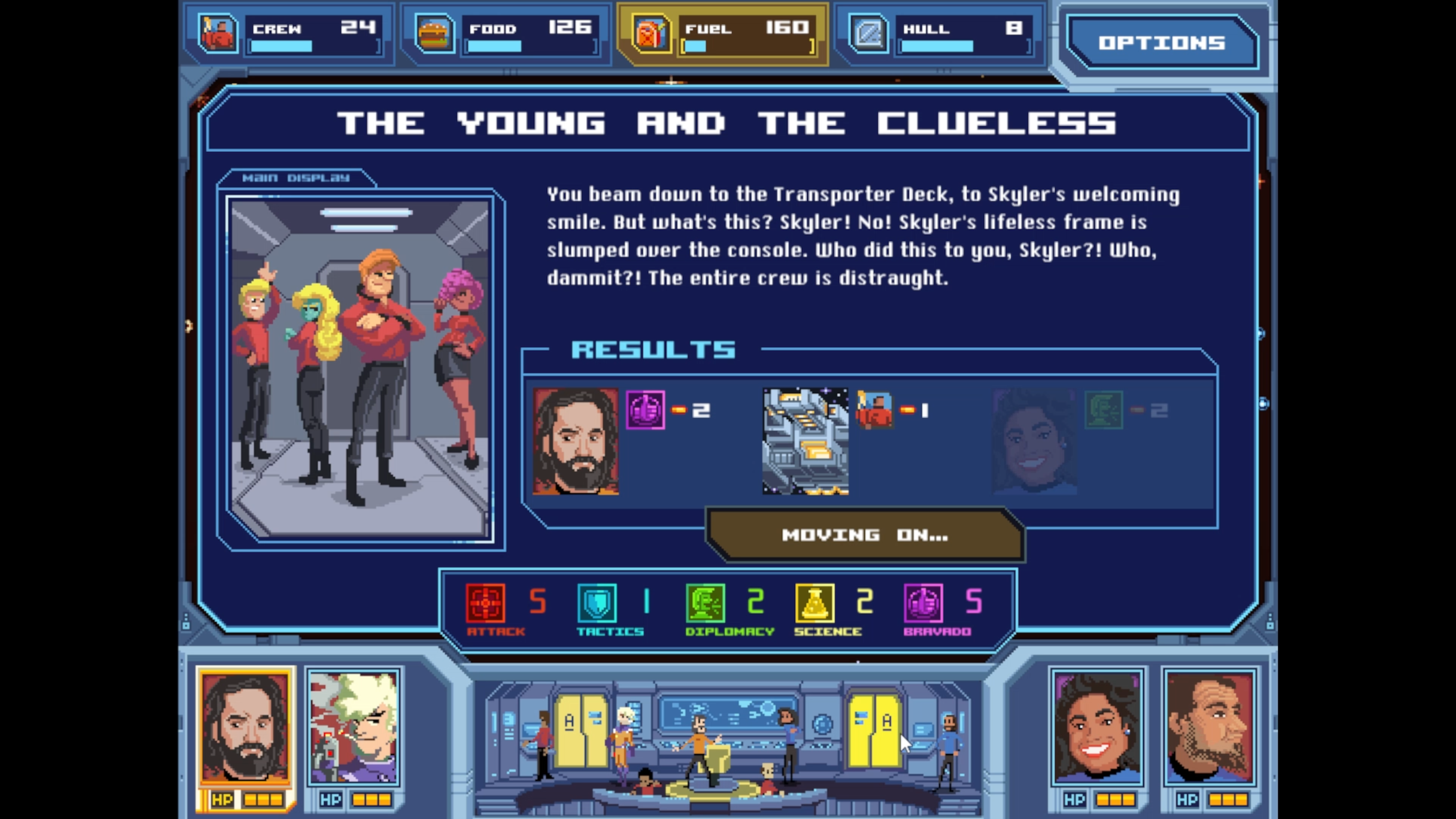
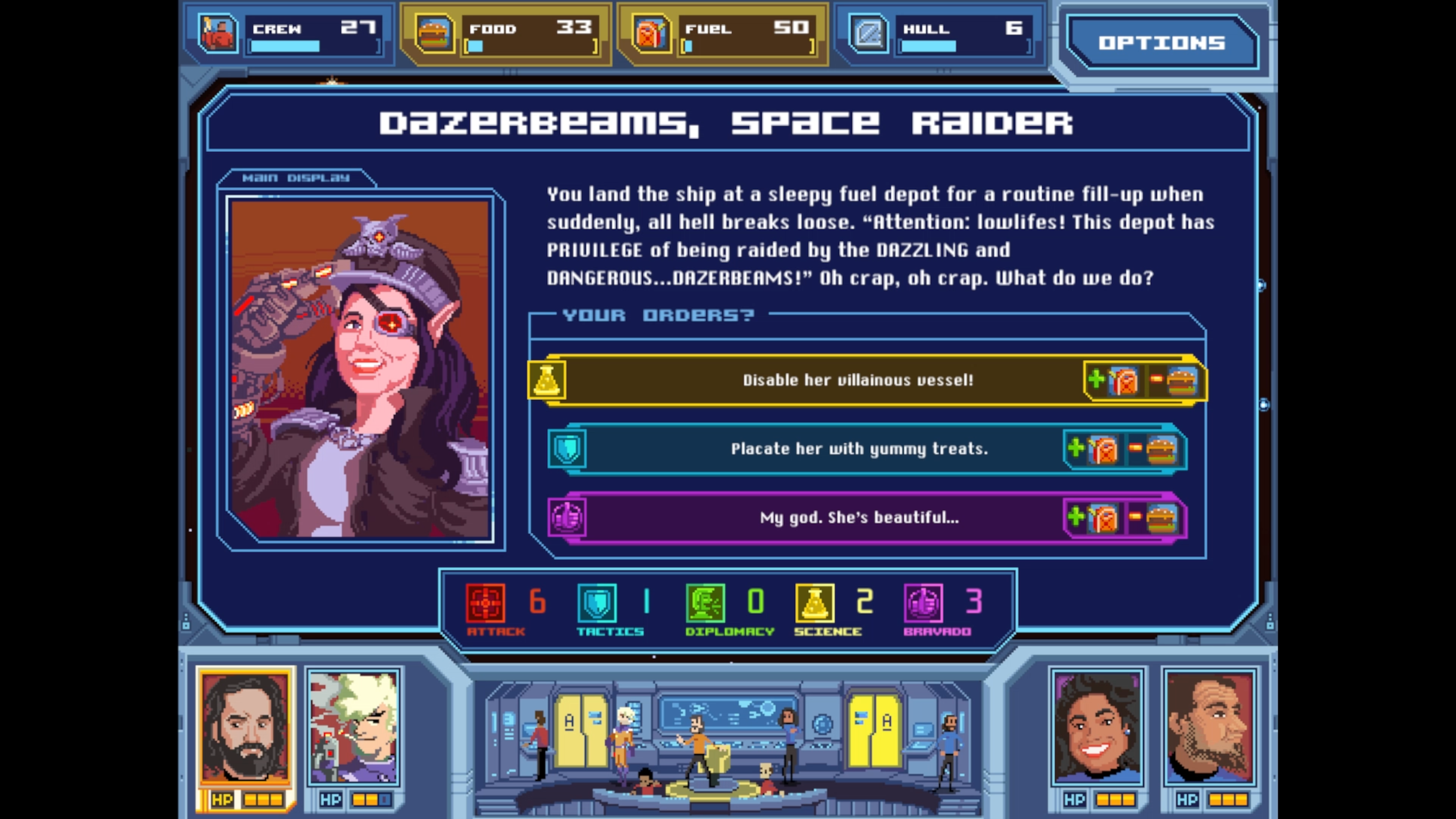
- If people can’t figure out what your game is within, like, a minute of getting to your Kickstarter page, you’ll probably lose them. This goes for both your video and your description.
- The first thing on your page should be a brief, but compelling description of your game.
- When describing the game and its systems, be as short and to the point as possible. Don’t bog it down with overly detailed descriptions of your game’s world.
- If you have a playable version of your game that doesn’t misrepresent the eventual end product, share it! It’s a lot easier for people to understand your idea by playing it.
- While scrolling down the page, you should always either be seeing an image on the screen, or have one at the bottom to keep drawing the eye downward.
- Gifs are awesome, but be careful of how many you’re using and how big they are. Having to wait and load the super cool images that are meant to entice is no good.
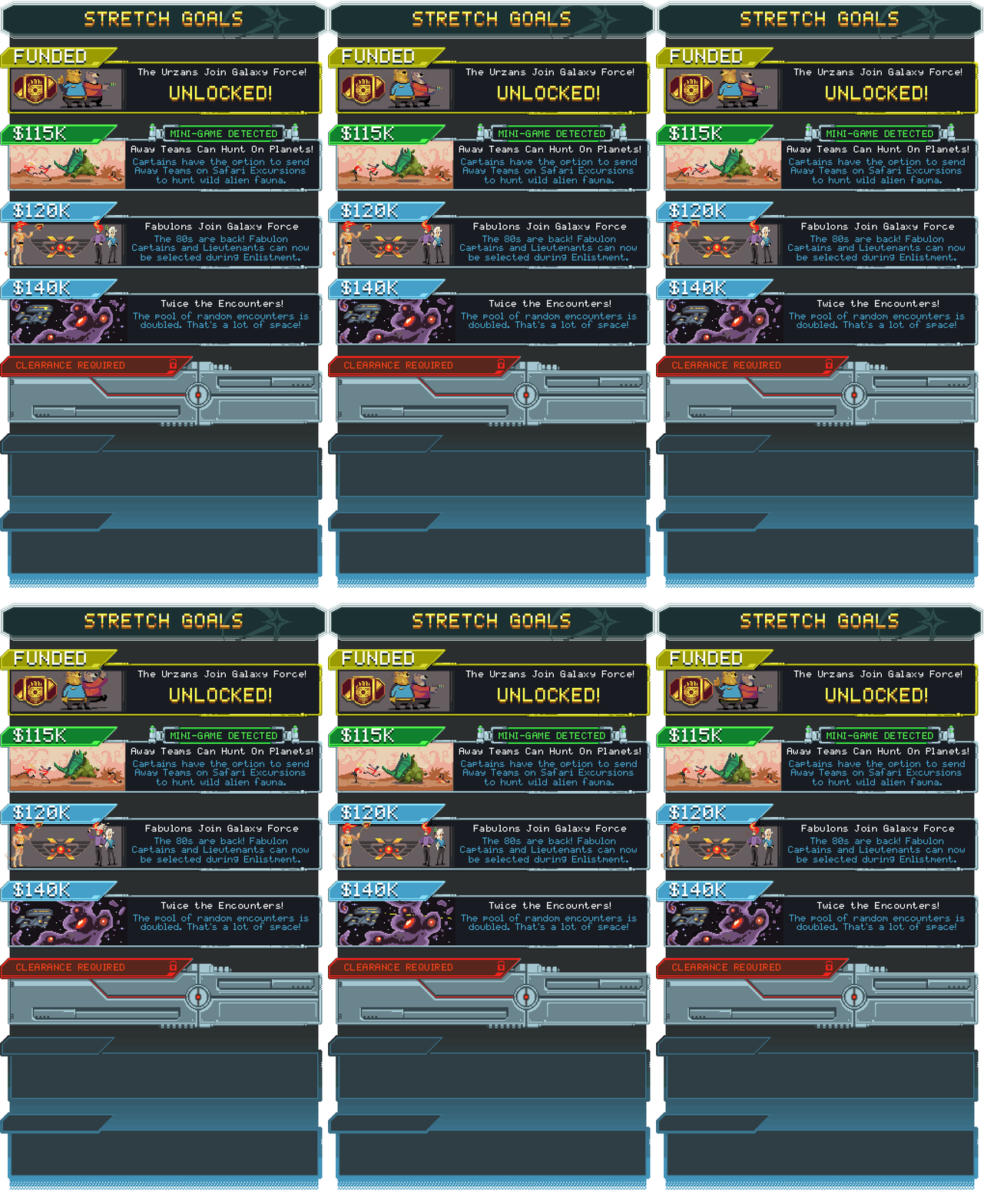
- Reward tier graphics should be easily expandable and readable, as you might add stuff in the middle of the campaign. (We did)
- Keep in mind that you can’t search for text in images. Having a lot of text in an image will look good, but it could be a little frustrating if someone is looking for a specific thing. (We were guilty of this)
- If you don’t introduce yourselves in the video (we didn’t), be sure to do it somewhere on your page. People like to know you’re a real human.
- Priming the pump before a Kickstarter launches is pretty crucial. We didn’t do enough of it, so there was kind of a scramble to get people excited about the launch of the project. This should ideally be done a month (or more) ahead of your actual campaign launch.
- We posted at least 3 times a week on a Monday, Wednesday, Friday schedule to keep everyone in a rhythm. Updating every day felt excessive, especially if there was really no news.
- We tried to get the prototype posted everywhere we could. It was a great way to get people to the campaign.
- Post about your project constantly. Be shameless. People will let you know when they’ve heard enough.
- Make sure whoever is in charge of the campaign has the authority to make on-the-fly calls. Kickstarter moves quickly enough that any amount of bureaucracy can be too slow.
- We added several reward tiers during the campaign, and the way we wrote our earlier tiers caused confusion later on. Be prepared for this!
- Cross-promotions and crossovers are cool! We had the privilege of getting shoutouts from awesome projects like Starr Mazer, Moonman, Crowfall, and Toejam & Earl. We reciprocated, of course.
- Our campaign overlapped both GDC and PAX East, but we had no real representation at either event. Unfortunately these weeks were the worst weeks of our campaign.
- News sites don’t care about your Kickstarter! At least, it’s very hard to get their attention. It also didn’t help that, around the time we launched, news about Godus seemed to sour people on Kickstarter.
- Everyone tells you the middle slump of a Kickstarter campaign is going to be rough, but nothing can really prepare you for it. Seriously, it’s a real drag.
- We managed to earn nearly 40% of our funds in the last week, which, at the time, seemed wholly unlikely. People talk about the big final push, but ours seemed pretty extreme.
- Setting up Google Analytics is really, really helpful for figuring out where the heck people came from. Kickstarter’s analytics are decent, but we got a lot of traffic that we couldn’t track.