The $6 Indie Game That Ruined Our Fight-or-Flight Response: Inside the Meccha Chameleon Craze
July 30, 2026 · insights
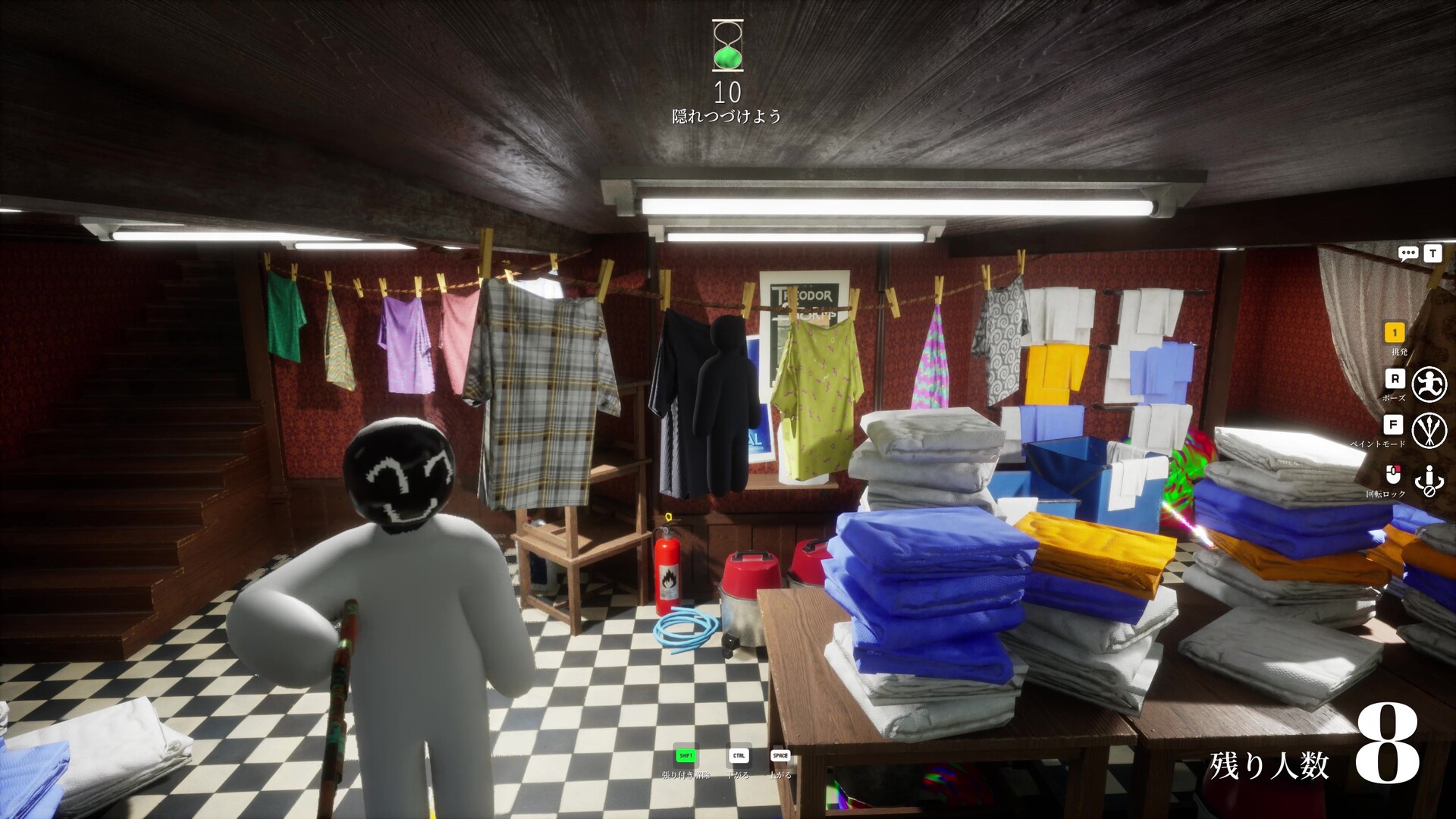
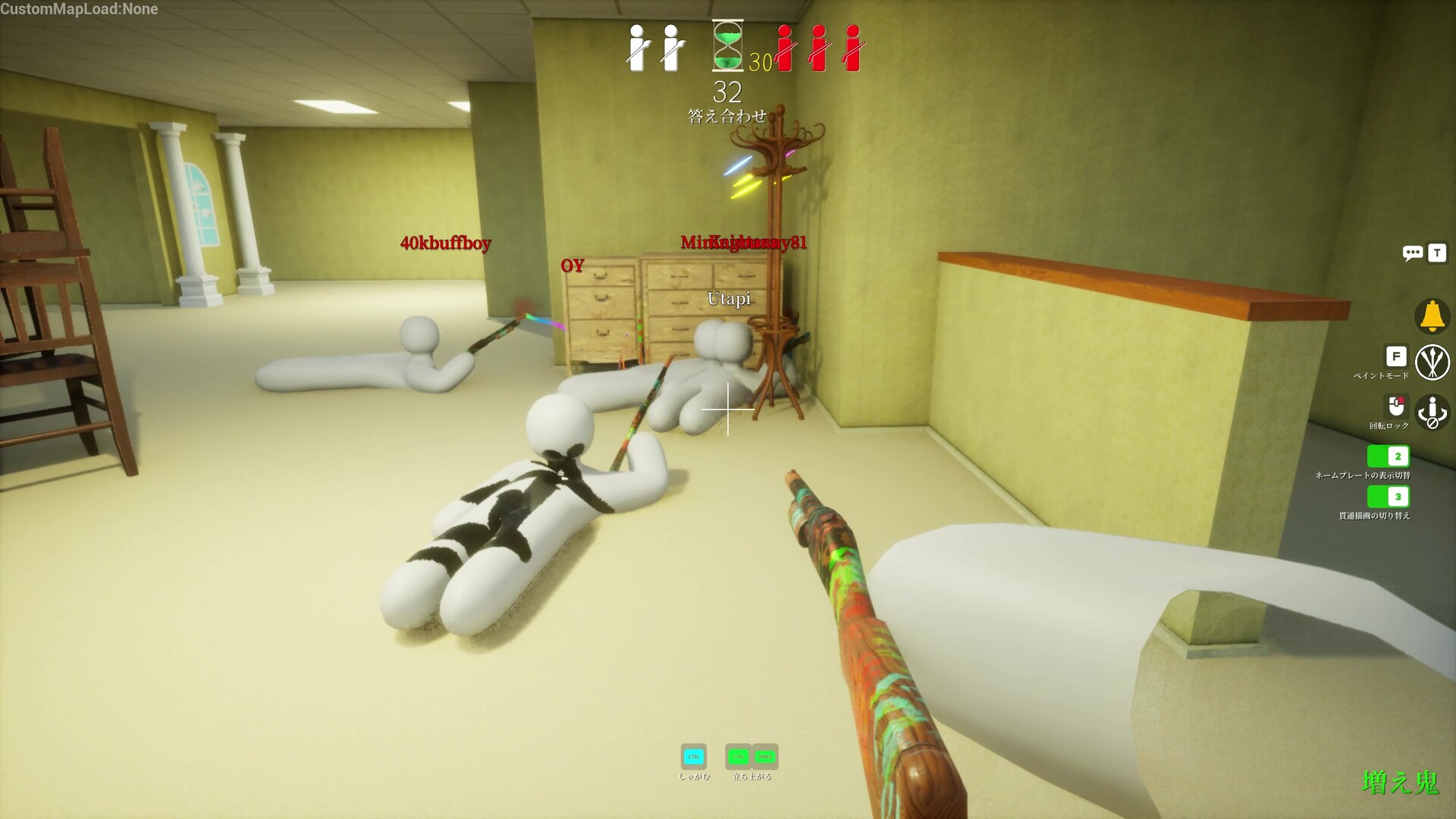
Instead of transforming into a prop, you stay as a blank, white, blobby character.
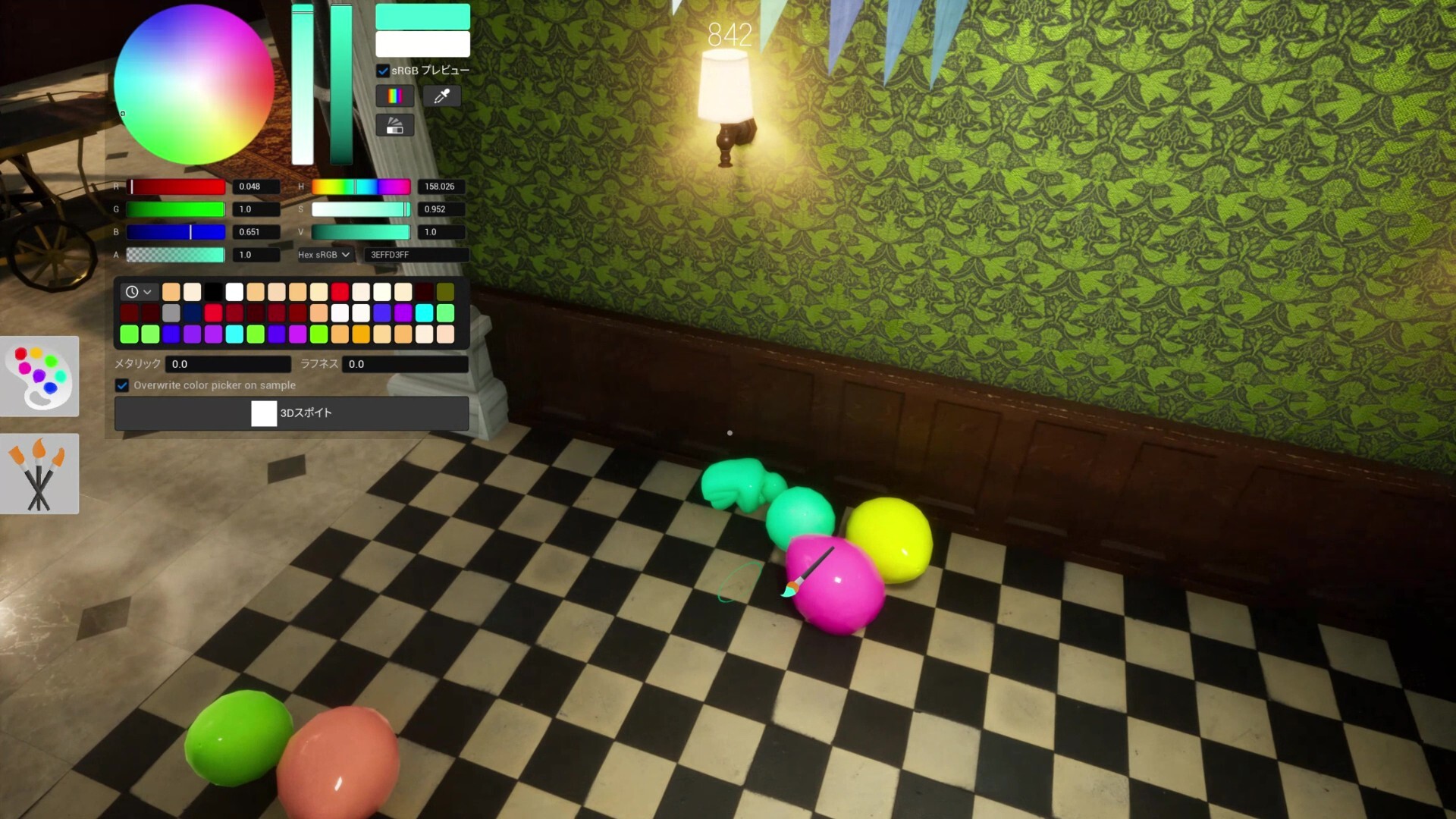
You are armed with an eyedropper tool, a color wheel, and a few basic poses (like curling up or lying flat).
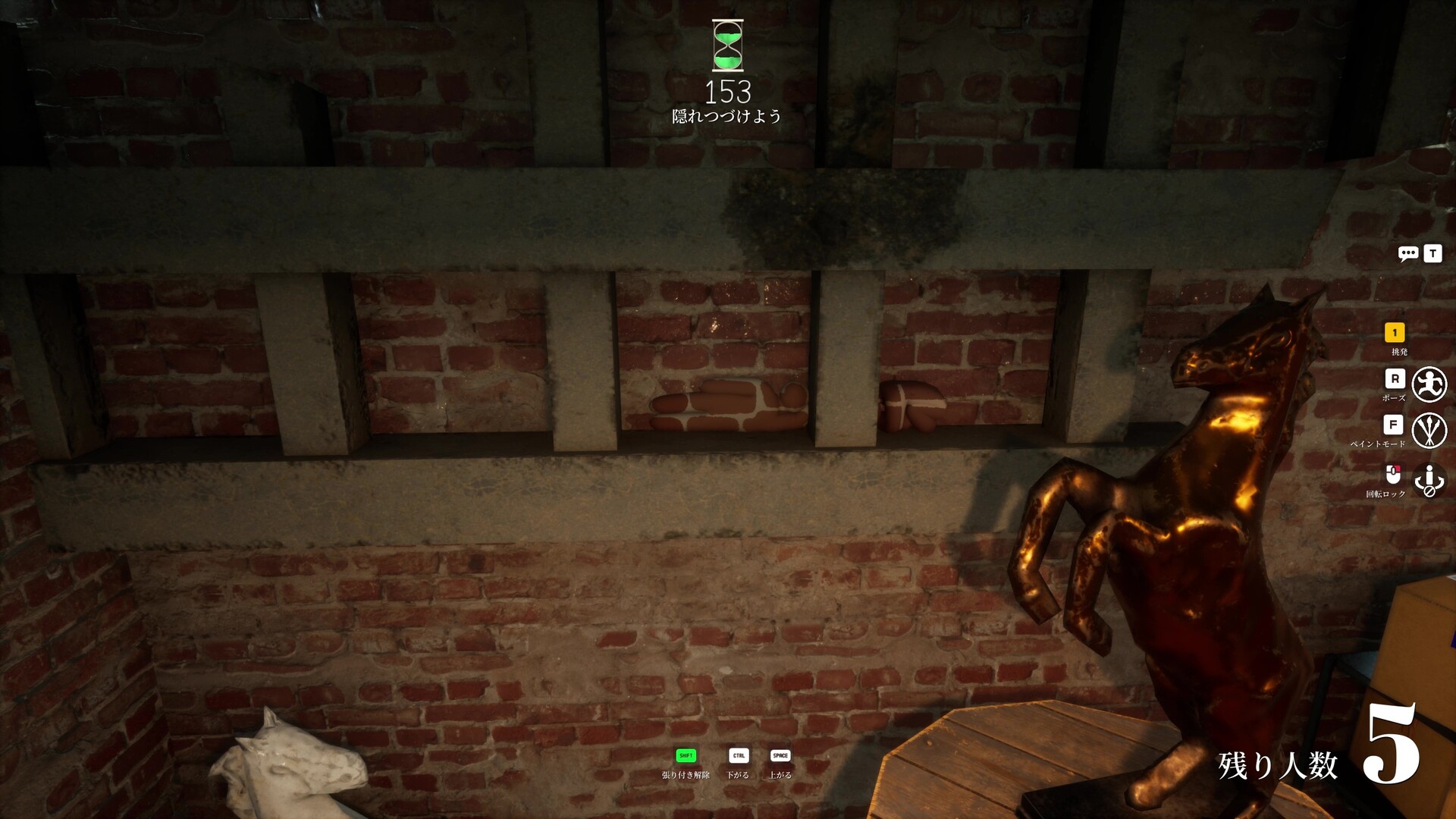
As the timer ticks down, you must find a spot, blend in, and literally paint your body to match your environment.
3D-Printed Blobs: Players are printing physical models of the game's blank characters.
Urban Camouflage: Fans are meticulously painting them to match real-world spots—like public subway tiles or the exact logo on a bag of potato chips—and hiding them in major cities like New York and Hong Kong.
This July 2026 insights article analyzes the commercial phenomenon of Meccha Chameleon, a $5.99 "friendslop" hide-and-seek game developed in just two months by Japanese indie duo Lemorion_1224 and Haganeiro. After selling over 15 million copies in a single month and topping Steam charts, the game serves as a case study in how mechanical novelty can revitalize a tired genre. By replacing traditional Prop Hunt object-transformation with an active eyedropper and body-painting toolset, the title forces players to physically paint their white blob characters to blend into their surroundings while managing panic, camera perspectives, and dynamic lighting. The post highlights how anti-camping mechanics like forced whistling and the game's high social-media visibility turned simple stealth mechanics into a viral content engine both online and in real-world urban camouflage communities.
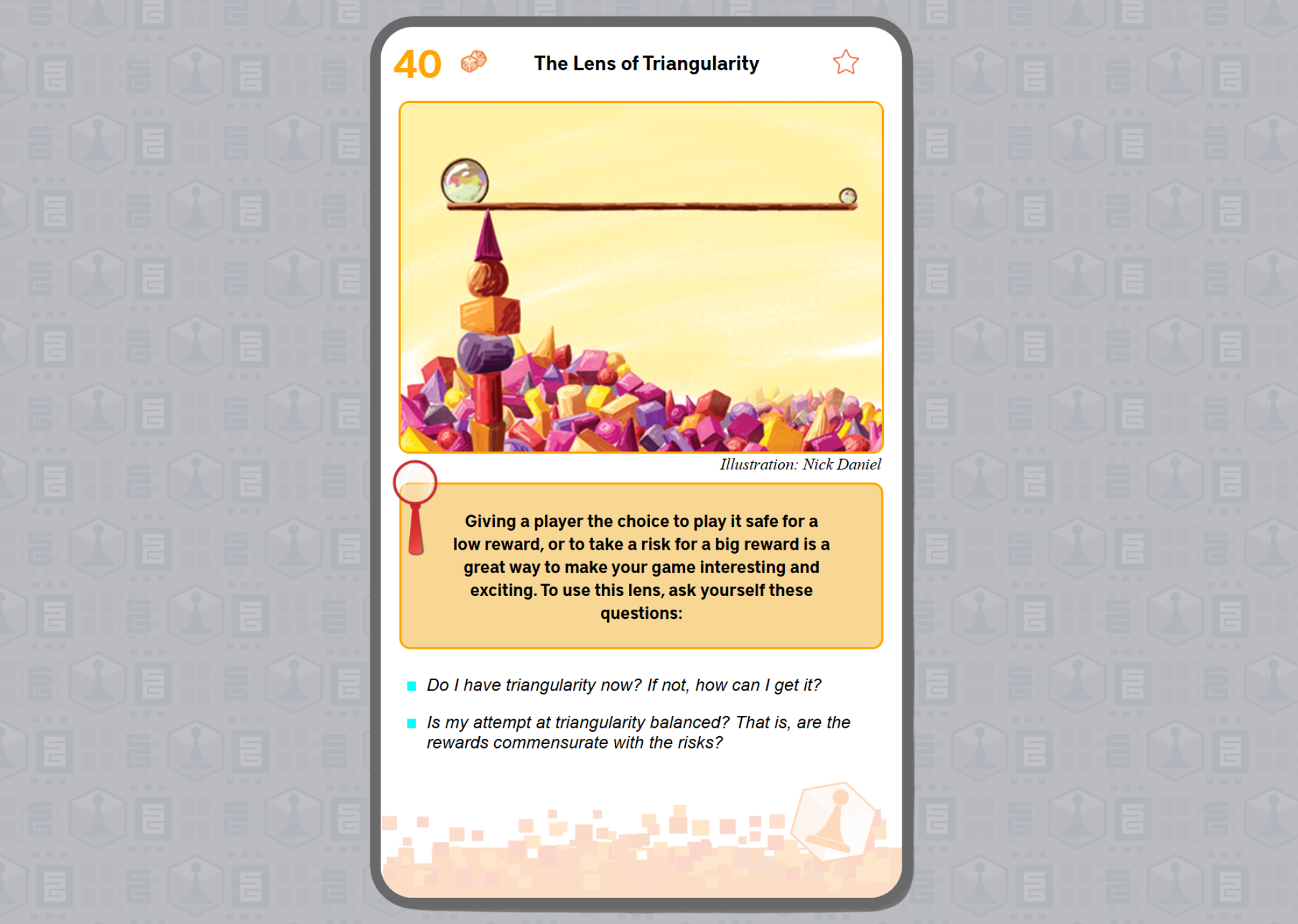
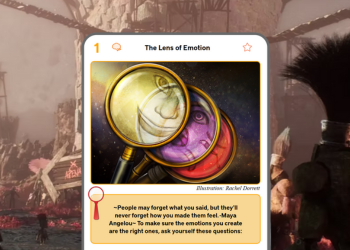
Lens #31: The Lens of Novelty (The Art of Game Design)
"Friendslop" / Casual party multiplayer
Active body-painting
eyedropper color matching
pose manipulation
forced whistling anti-camping
D-printed urban camouflage street art
stream spectator interactivity
Subversion of Prop Hunt tropes
low-budget high-novelty game loops
What does "Meccha" mean in the title Meccha Chameleon?
"Meccha" (pronounced meh-chuh) is Japanese slang meaning "super," "very," or "really". It does not refer to giant sci-fi robots (mecha); the title translates to "Super Chameleon," highlighting the extreme camouflage abilities required by players.
How does the game use the "Lens of Novelty" to solve player boredom in stealth games?
Traditional hide-and-seek games suffer from formulaic burnout once players memorize the best hiding spots and prop models. Meccha Chameleon introduces novelty by making stealth a live creative act under severe time pressure. Because every disguise is painted by hand in real time, no two hiding attempts are ever identical, producing continuous comedic failure and emergent moments.
How has the game's novelty impacted community activity outside of the video game itself?
The game's visual hook sparked a viral real-world trend. Fans 3D-print physical models of the blank white character blobs, meticulously paint them to match real-world urban backgrounds (such as subway tiles or store displays), and place them in public spaces in major cities like New York and Hong Kong as real-life hide-and-seek street art.
Why is the "Forced Whistle" mechanic considered a stroke of game design genius?
The forced whistle prevents players from finding a secret spot and passively waiting out the clock. By forcing hiders to periodically sound an alarm, the game creates intense psychological tension: hiders must bet their lives that their painted camouflage will hold up under direct, close-range scrutiny, while seekers experience extreme paranoia searching rooms they know contain an invisible player.