The Vibe: Educational, community-focused, and highly accessible.
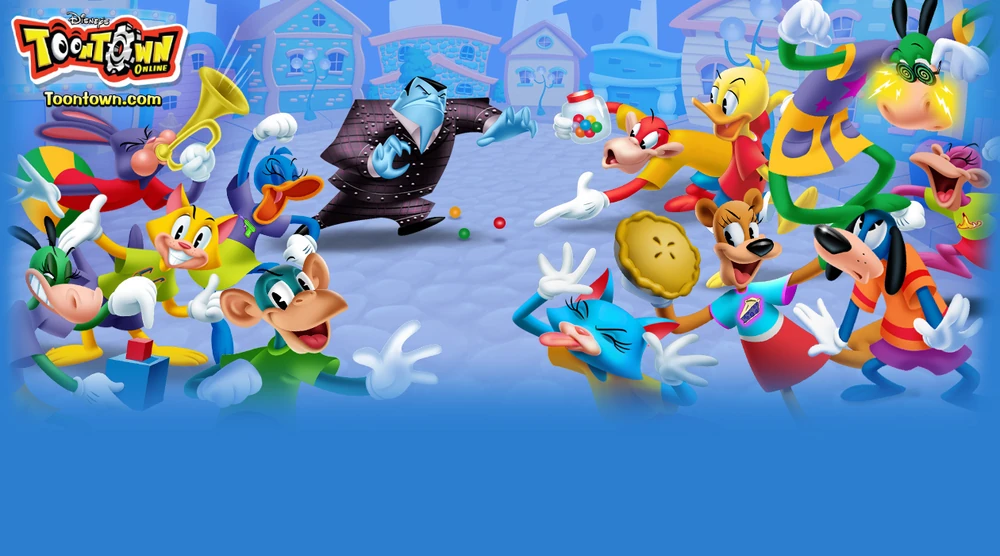
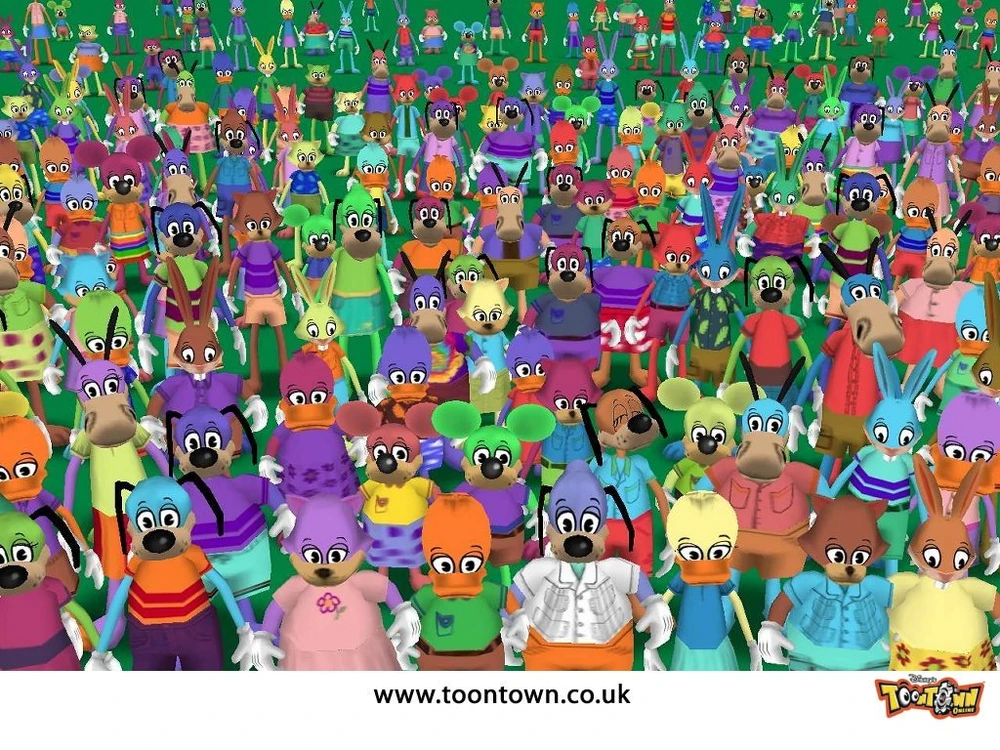
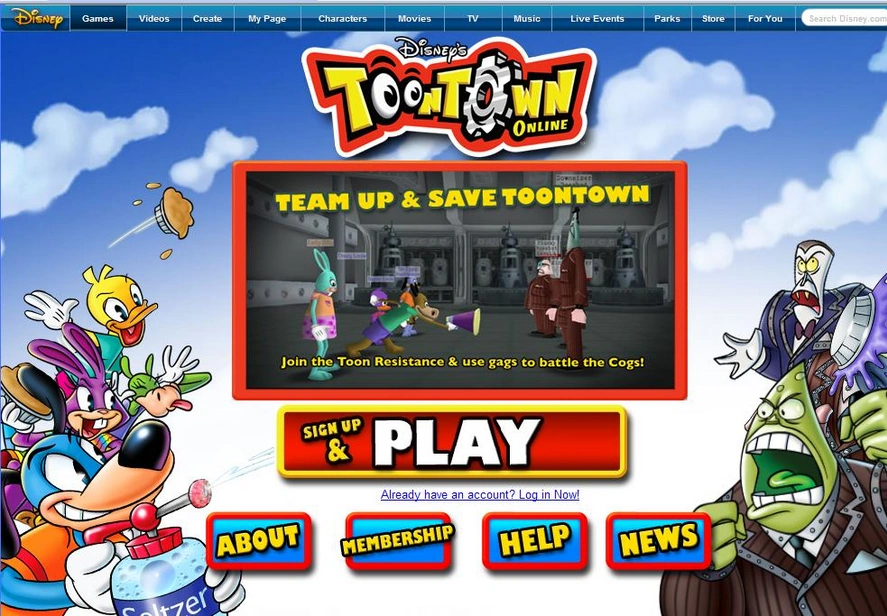
Innovation: We weren't just making games; we were building early social metaverses. Toontown was a pioneer in the family MMO space, proving that Schell knew how to keep players engaged in virtual worlds long before "the metaverse" was a buzzword.
The Lesson: This era established the studio's "Experience is King" philosophy. They learned that the most powerful tool in a designer's kit isn't a better engine; it’s a better understanding of human psychology.
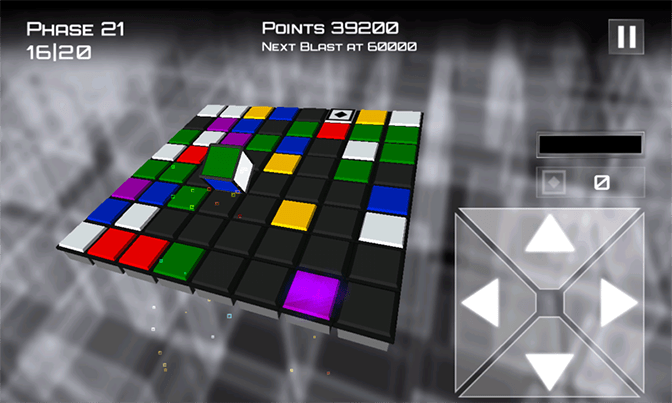
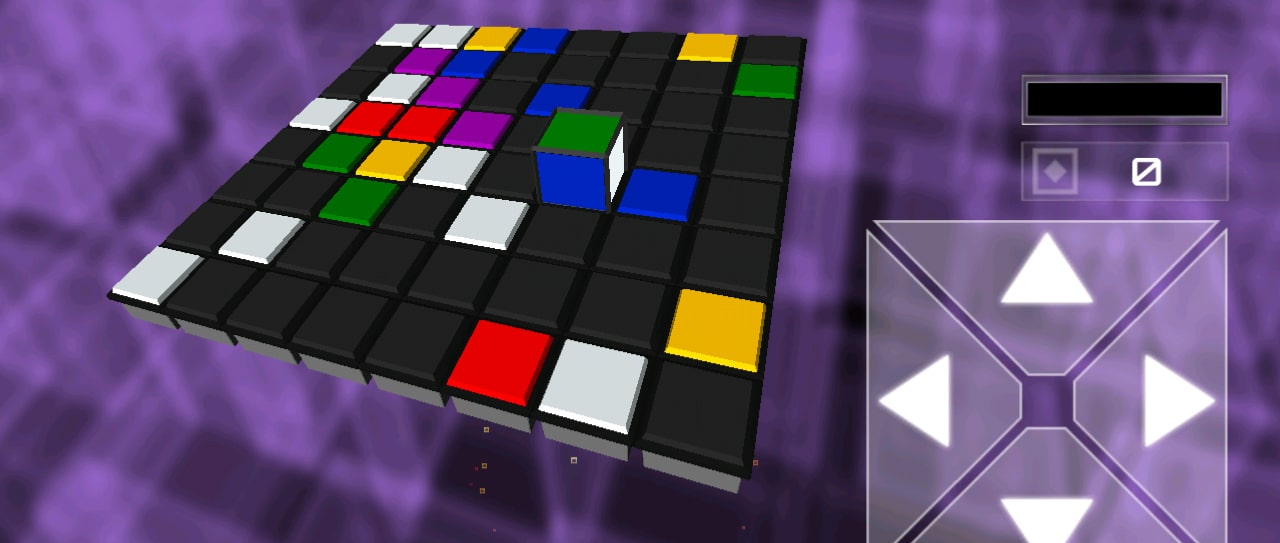
Key Titles:Enemy Mind (2014), Orion Trail (2015), Water Bears (2015), Happy Atoms (2016)
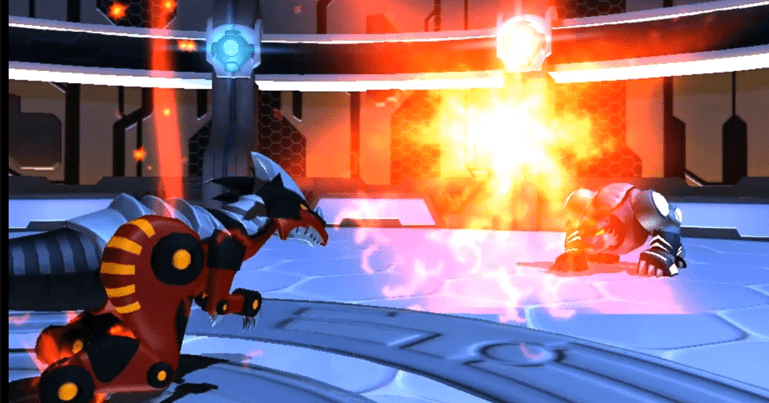
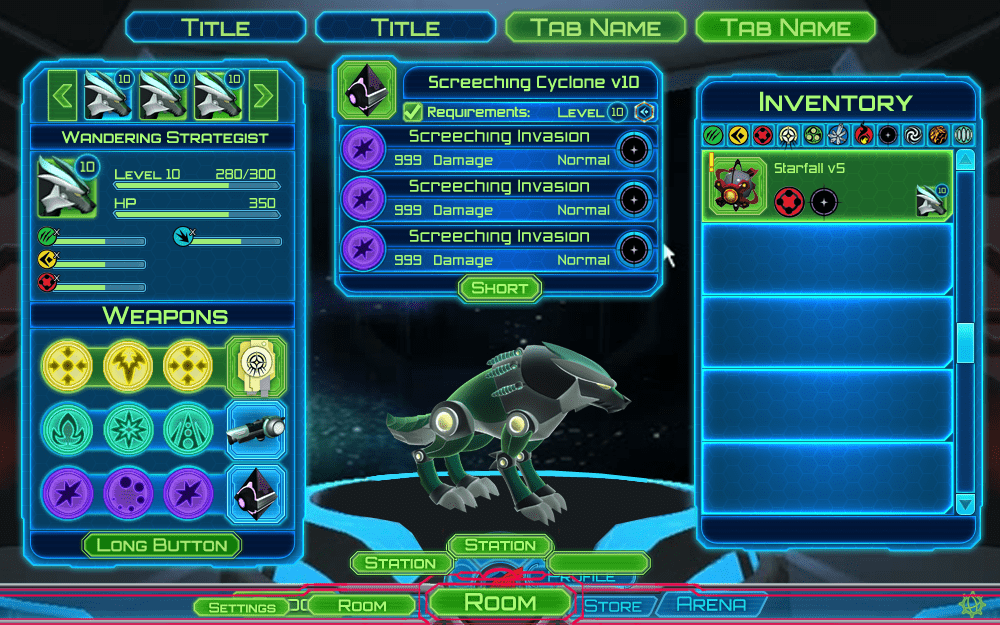
The Vibe: "Let's try everything." This era saw Schell Games moving into mobile (iOS/Android) and PC (Steam), often using Kickstarter to fund passion projects.
Innovation:Mechatars was a fascinating bridge between physical toys and digital battles, while Orion Trail showed off the studio’s quirky, narrative-driven humor. This era laid the groundwork for their transition into the most immersive medium of all: VR.
The Lesson: Tactility equals retention. Whether it was the chemistry-focused Happy Atoms or the decision-making sims like PlayForward, this era proved that games are the most effective teaching tools on the planet.
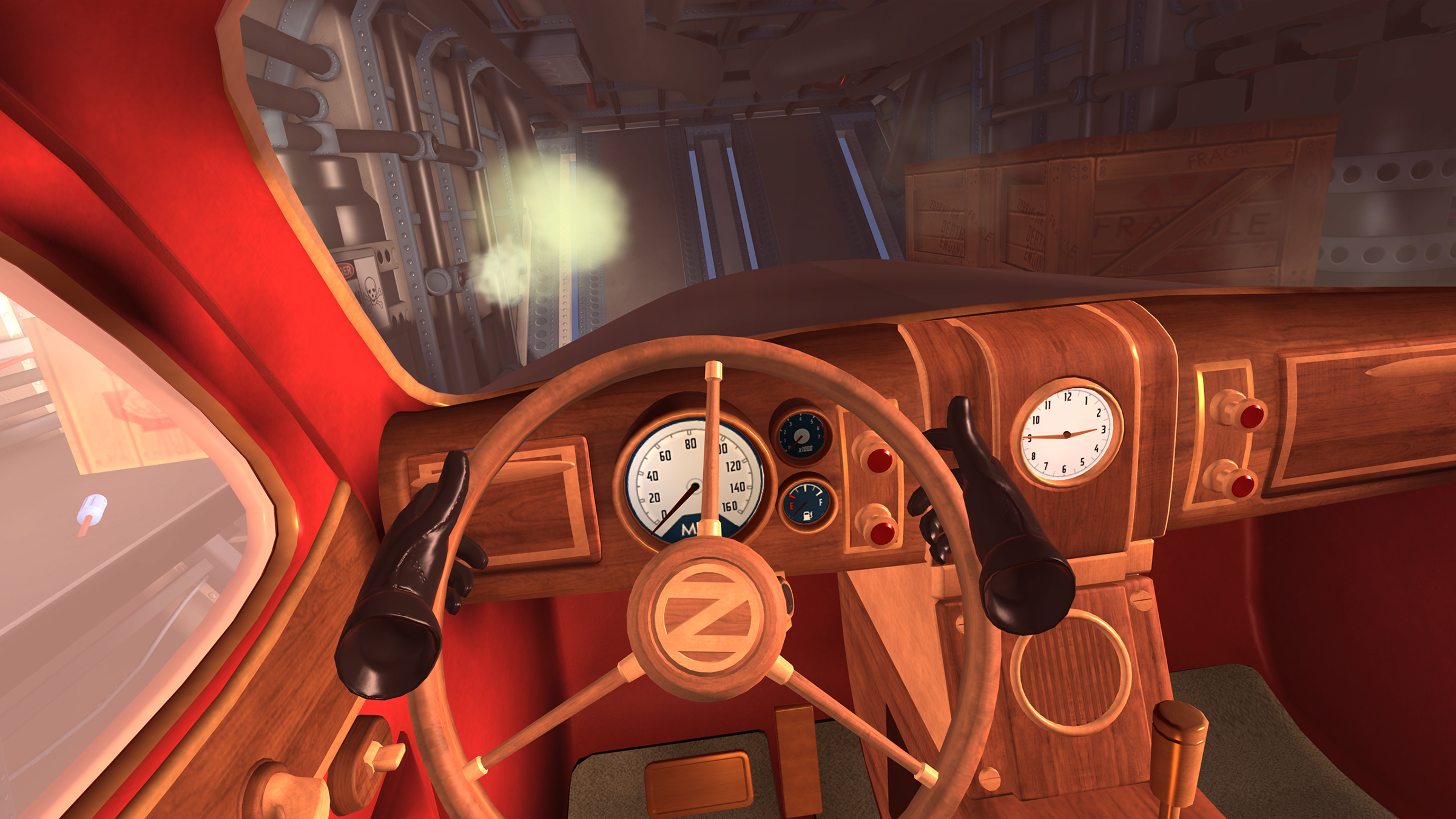
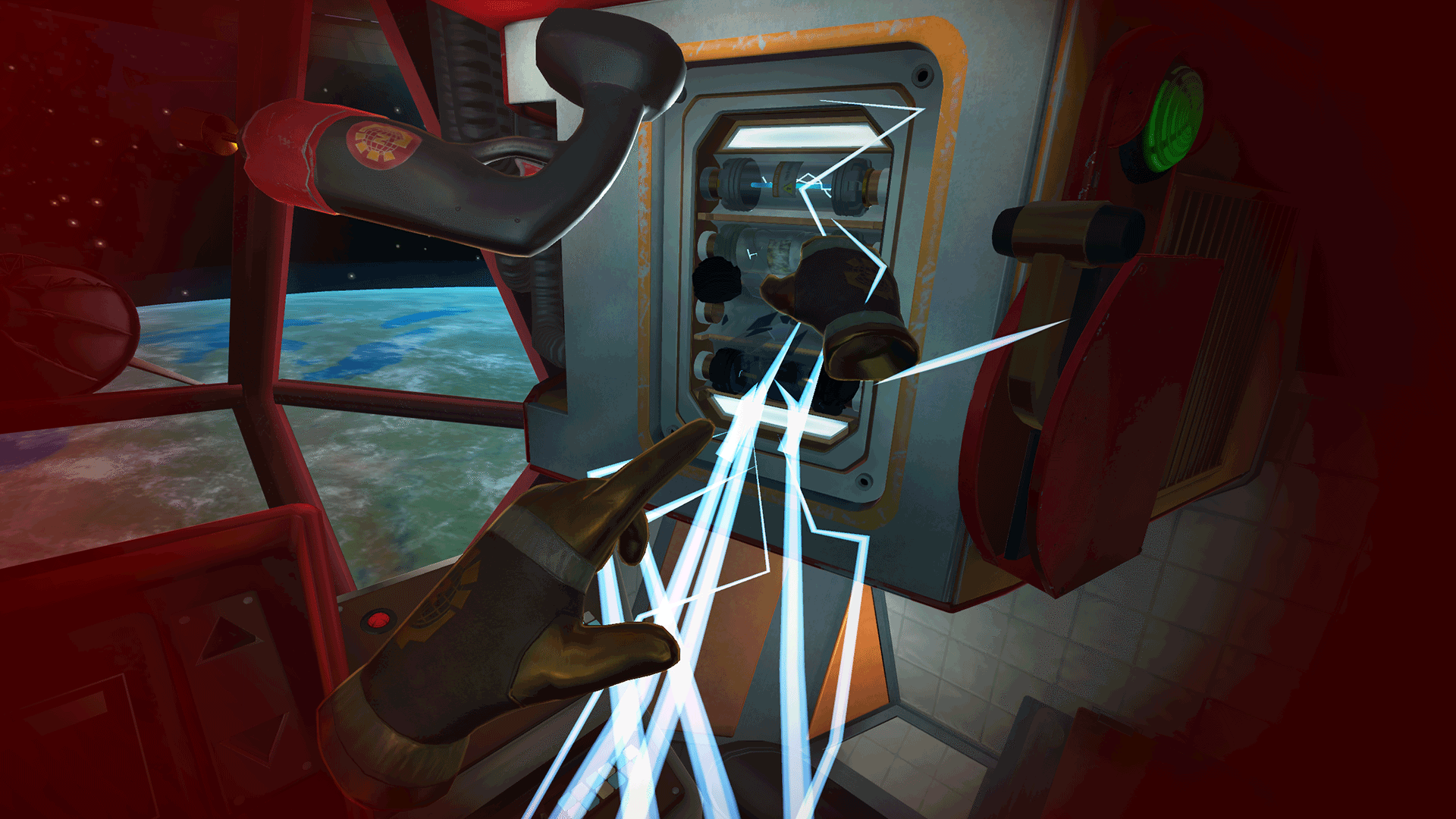
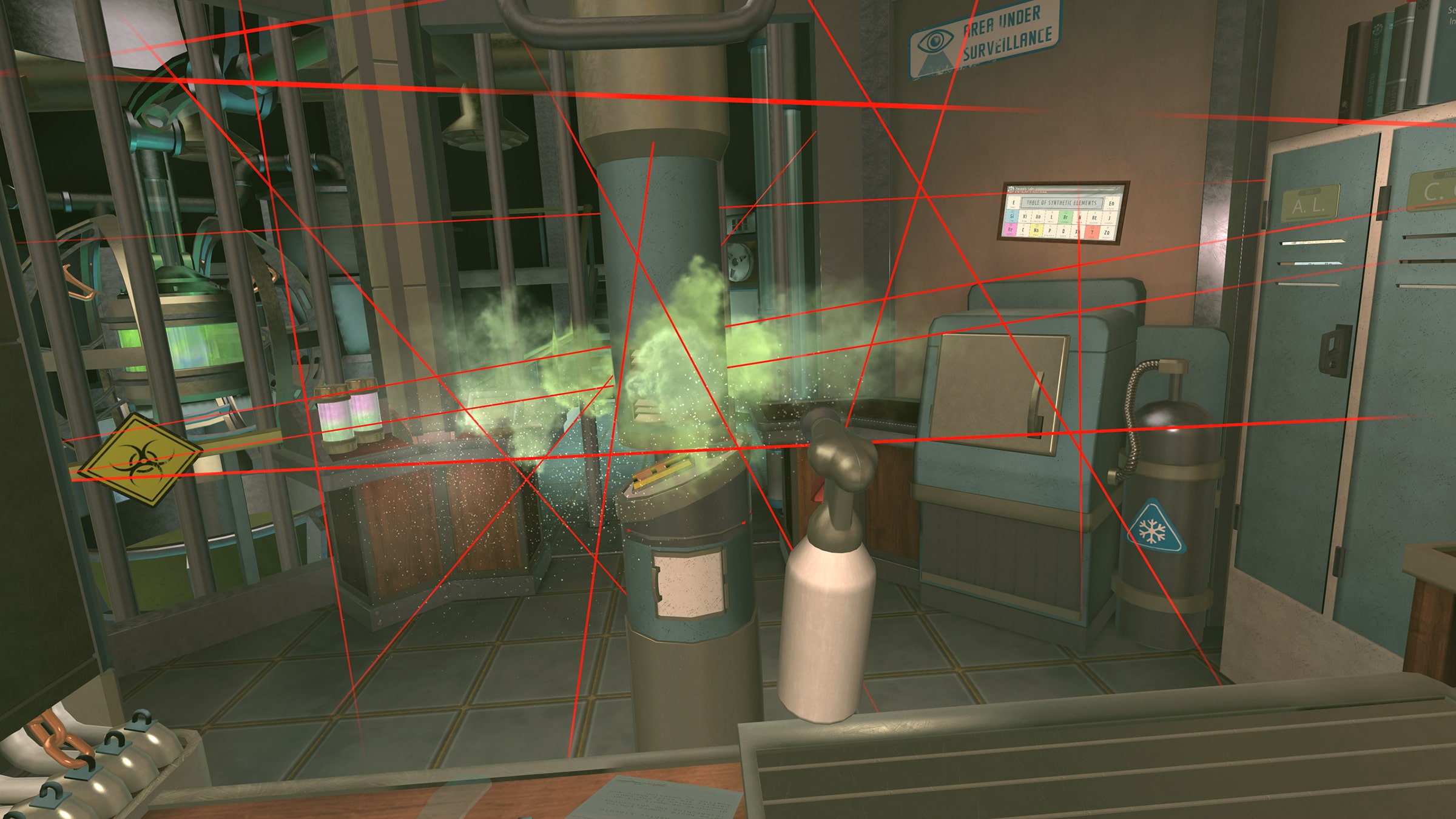
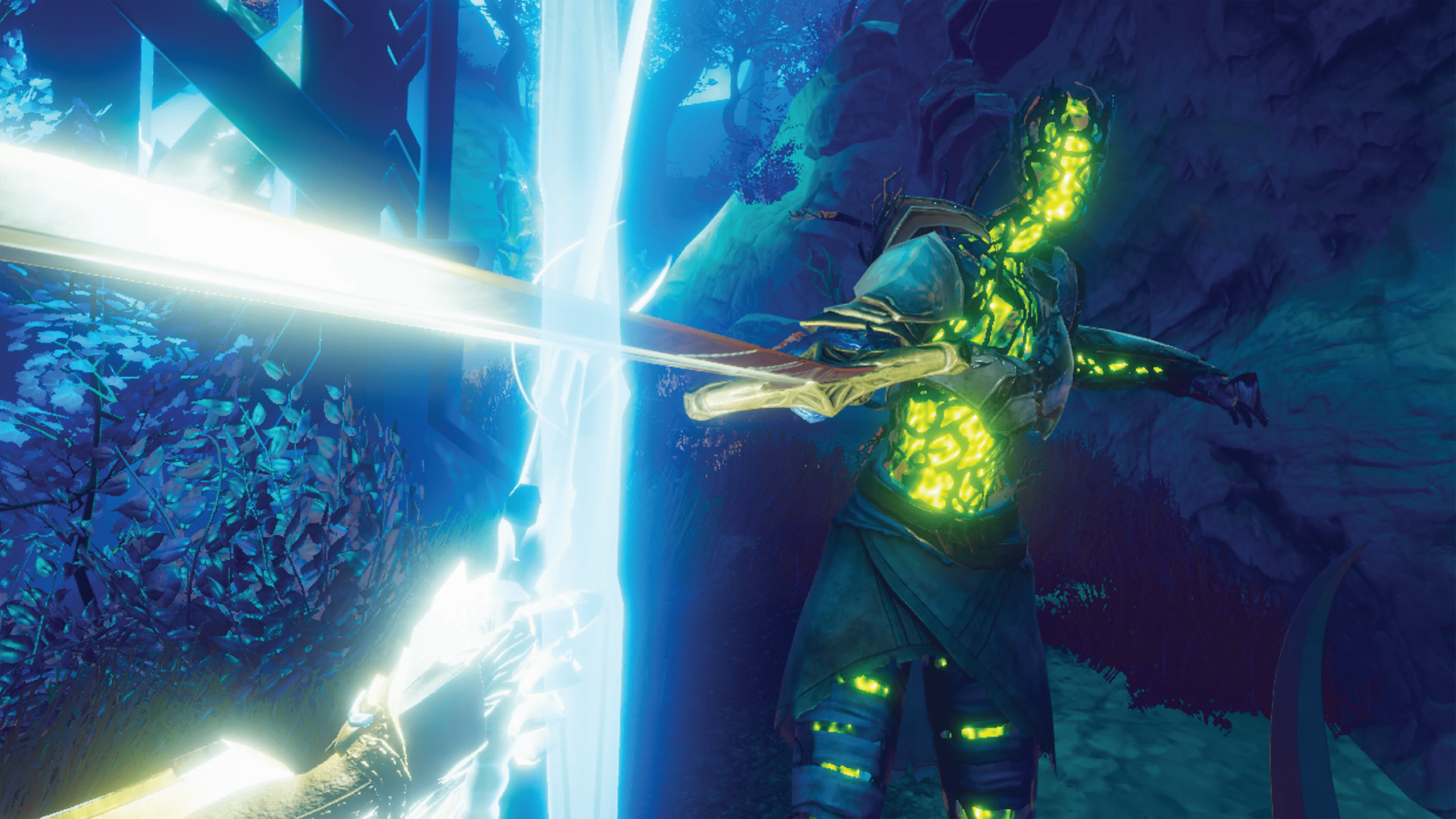
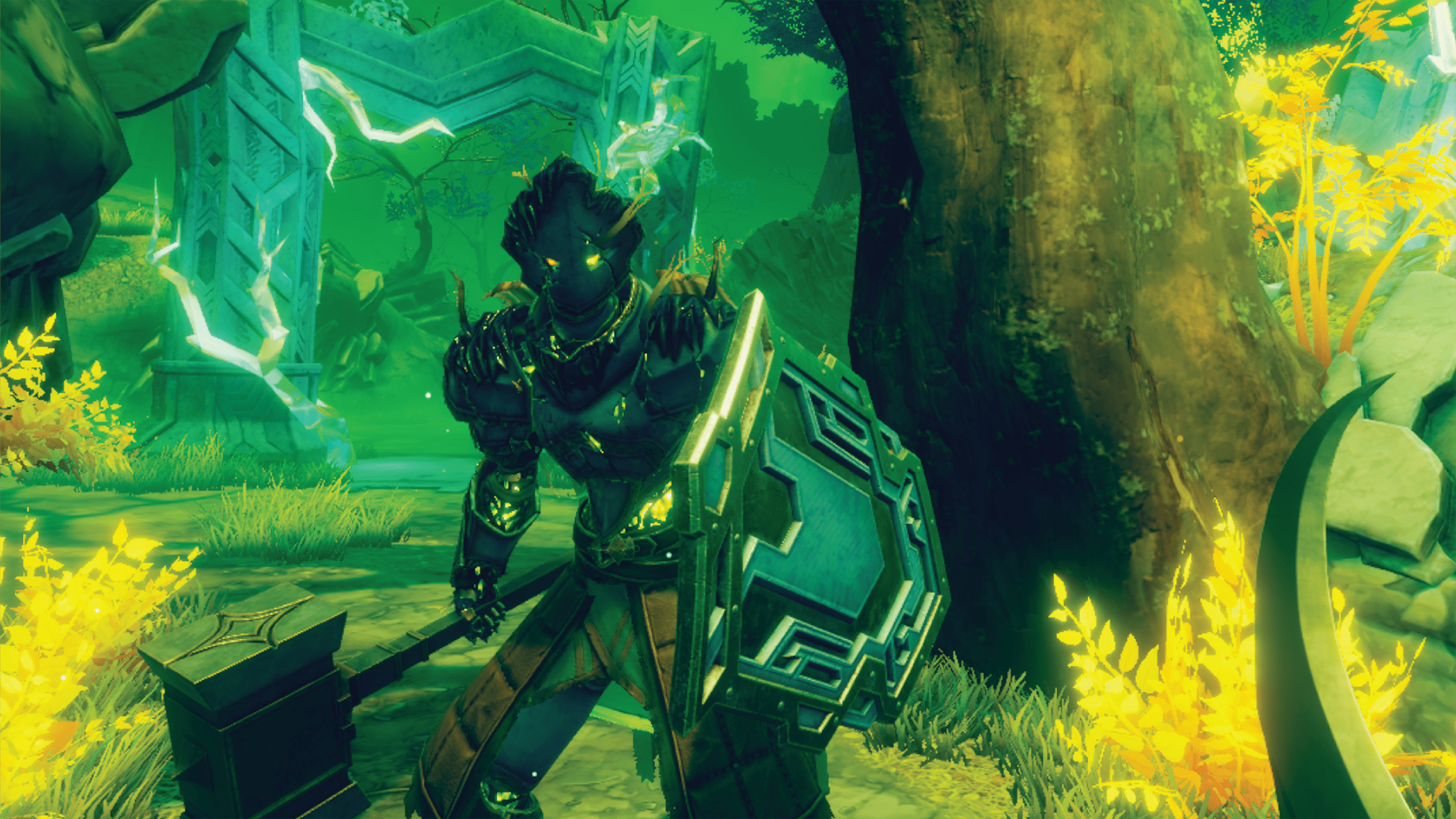
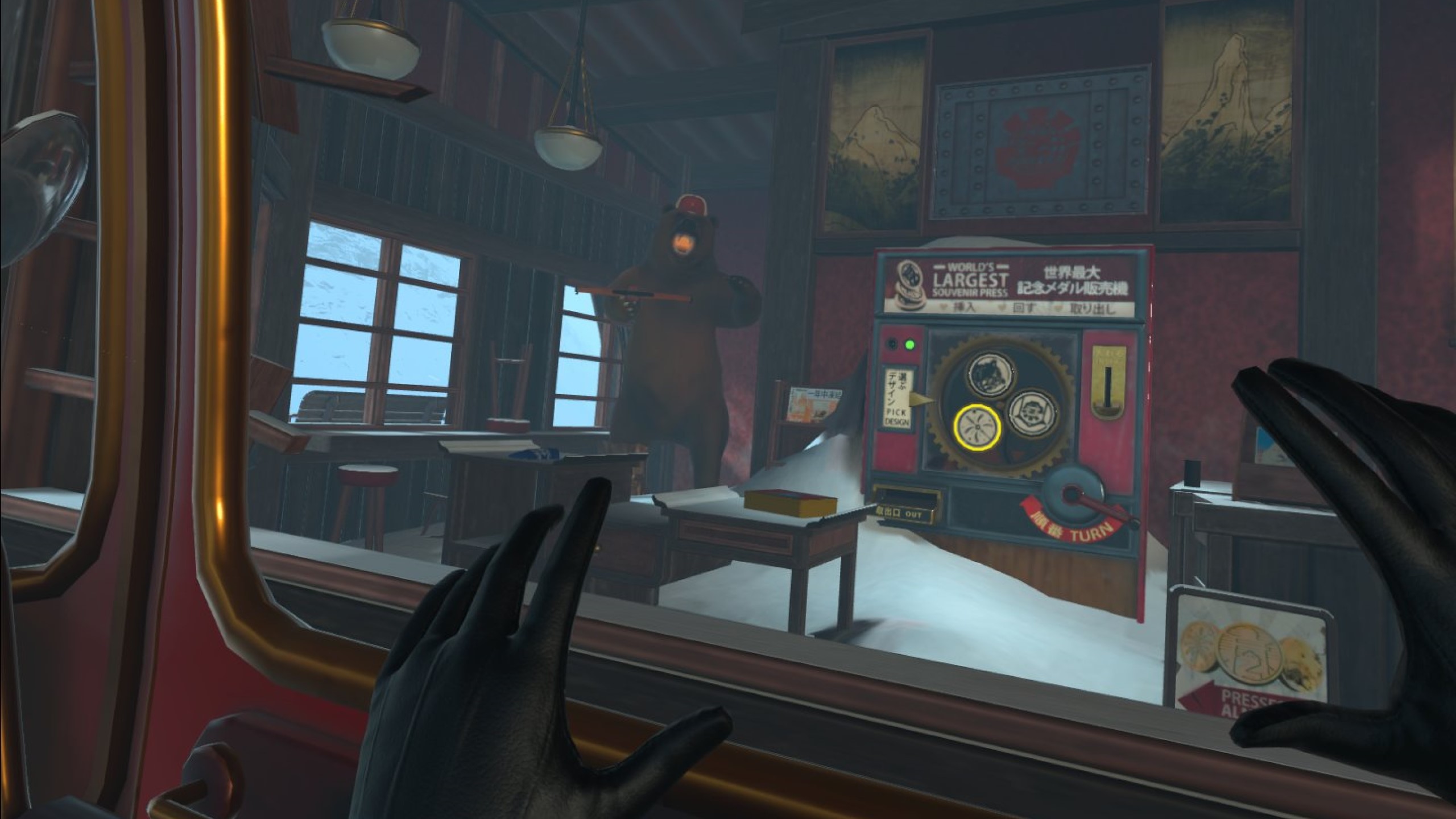
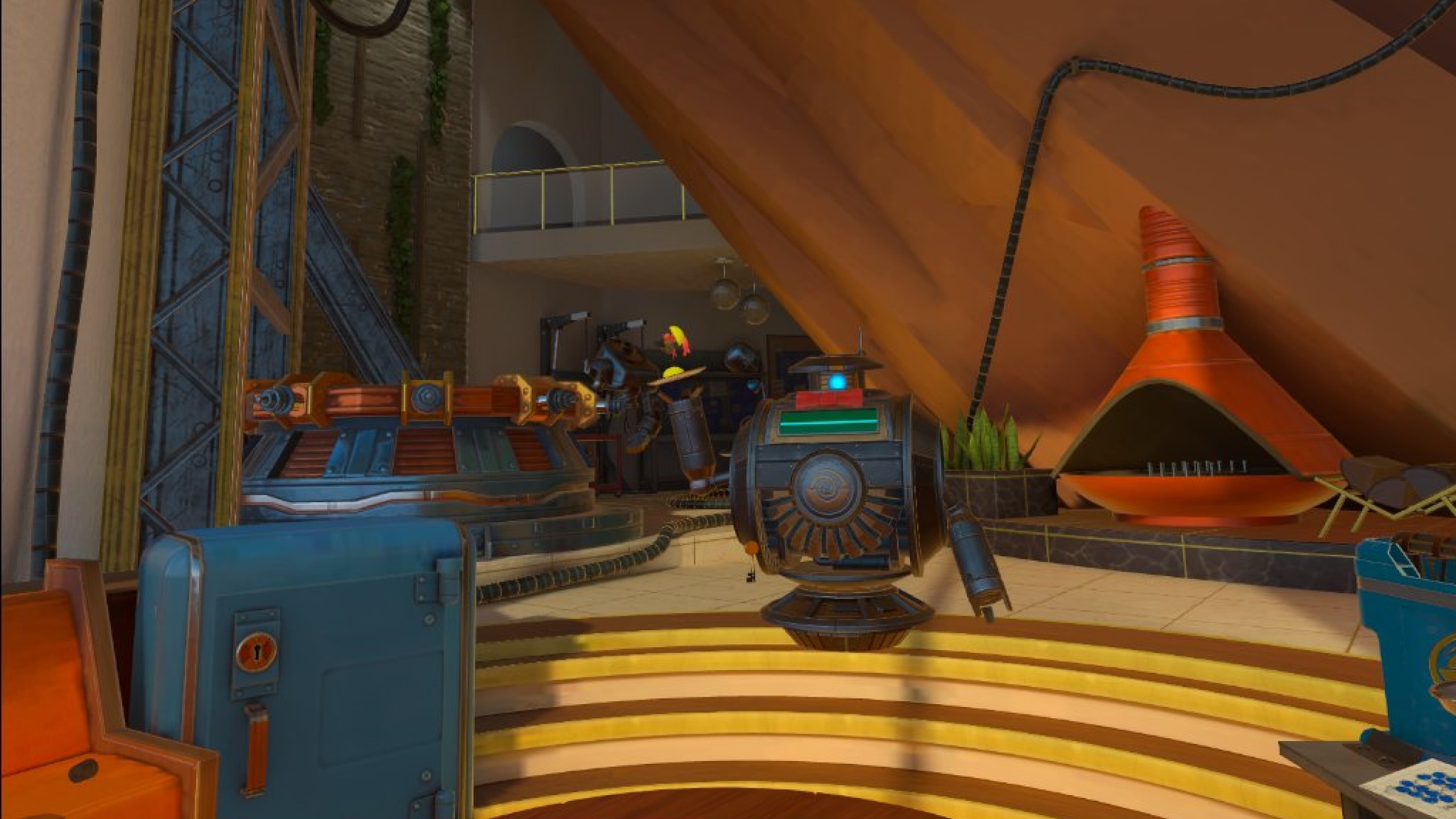
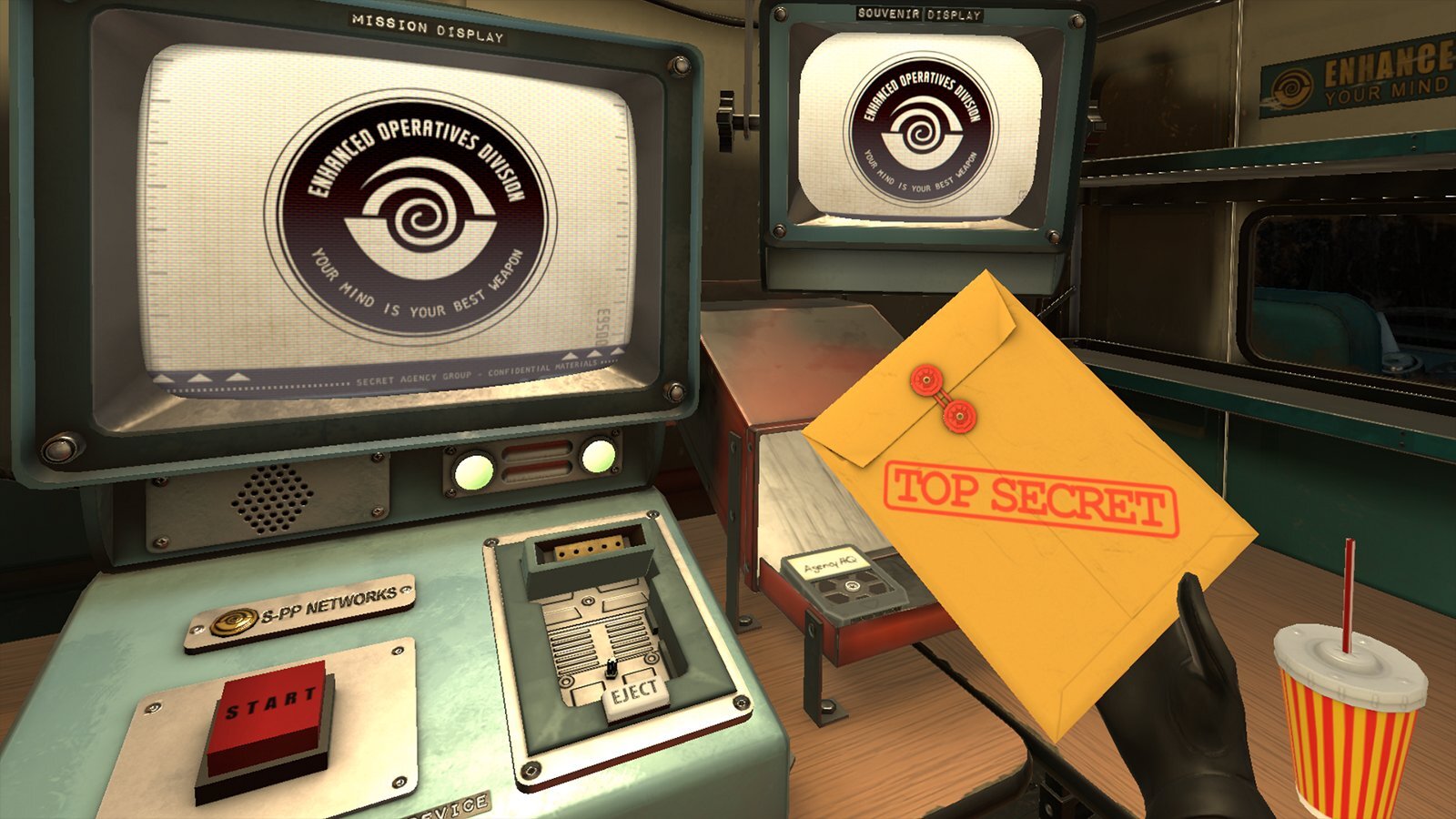
Key Titles:I Expect You To Die (2016), HoloLAB Champions (2018), Until You Fall (2019).
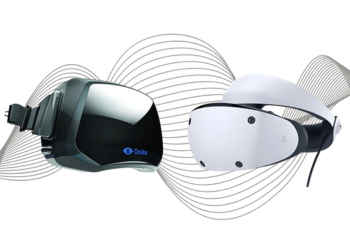
The Vibe: Polished, tactile, and revolutionary. This was when we became a go-to studio for making VR feel good.
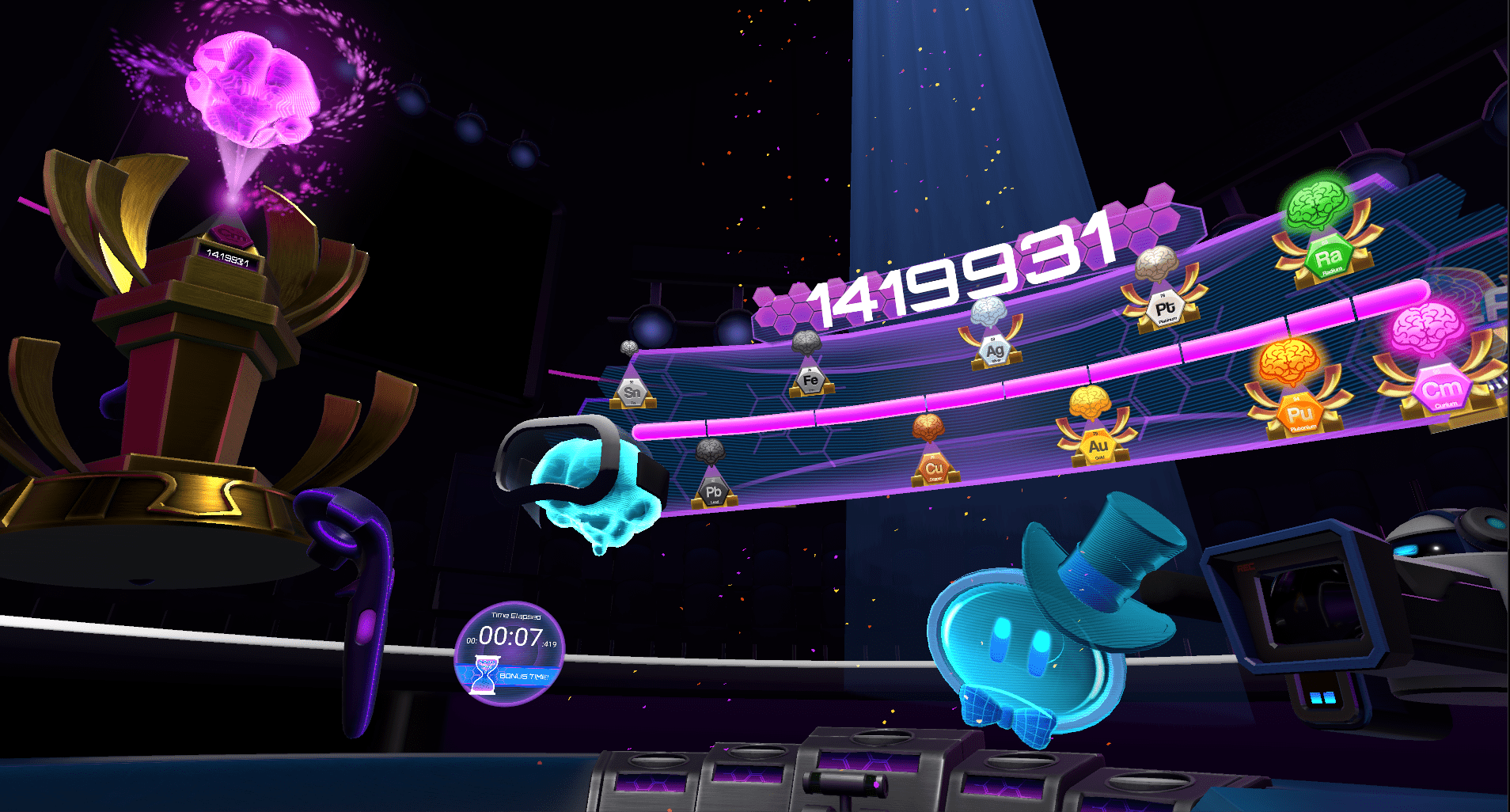
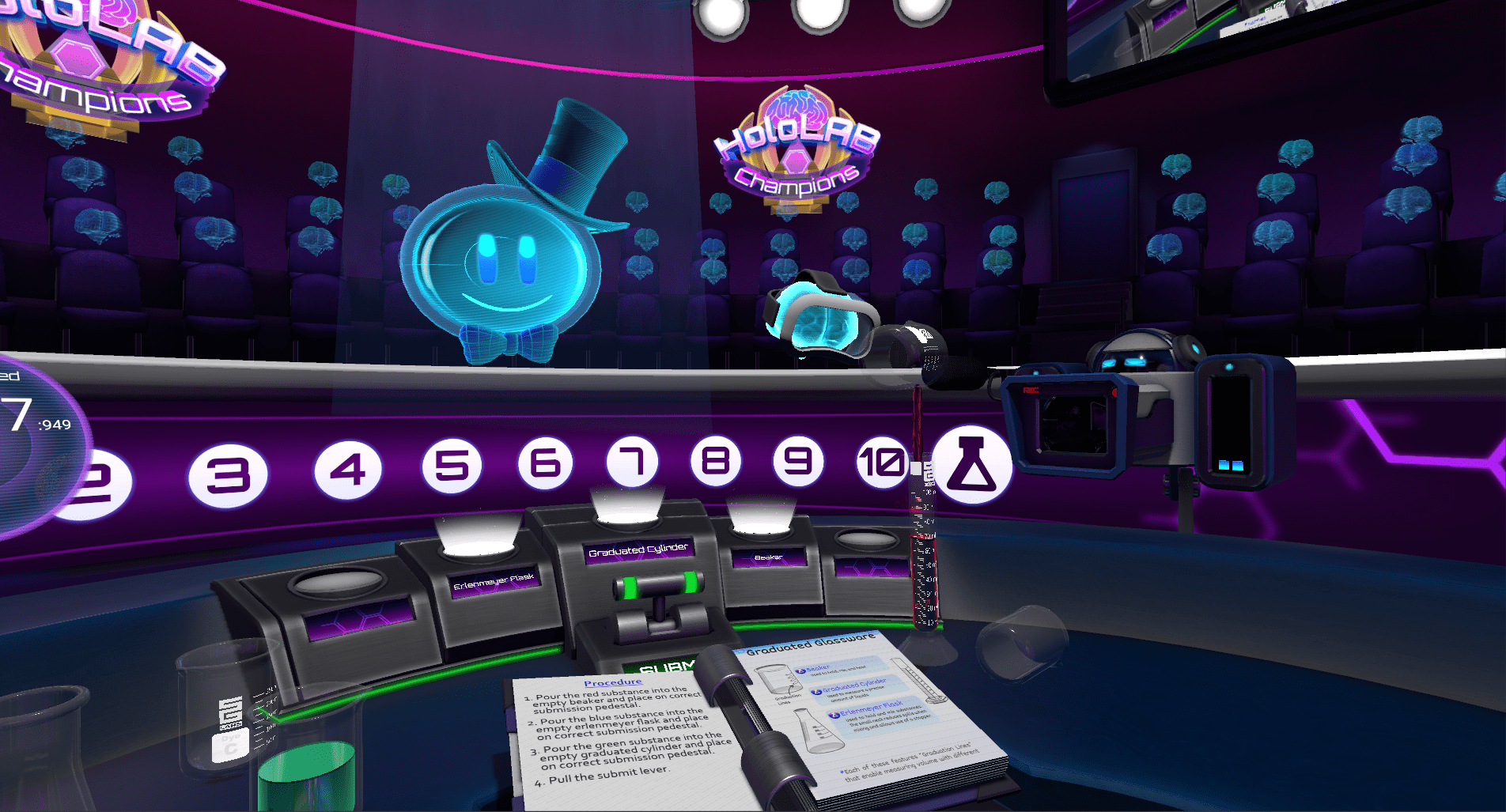
Innovation: This era solidified their "Transformational Games" philosophy—using games to teach (like the chemistry-focused HoloLAB) or to provide a specific, high-intensity experience (like the neon-soaked roguelike combat of Until You Fall).
The Lesson:Presence is the Ultimate Mechanic. In VR, if a player sees a button, they must be able to press it. This era solidified the studio’s reputation as the "Puzzle Experts" of the immersive world.
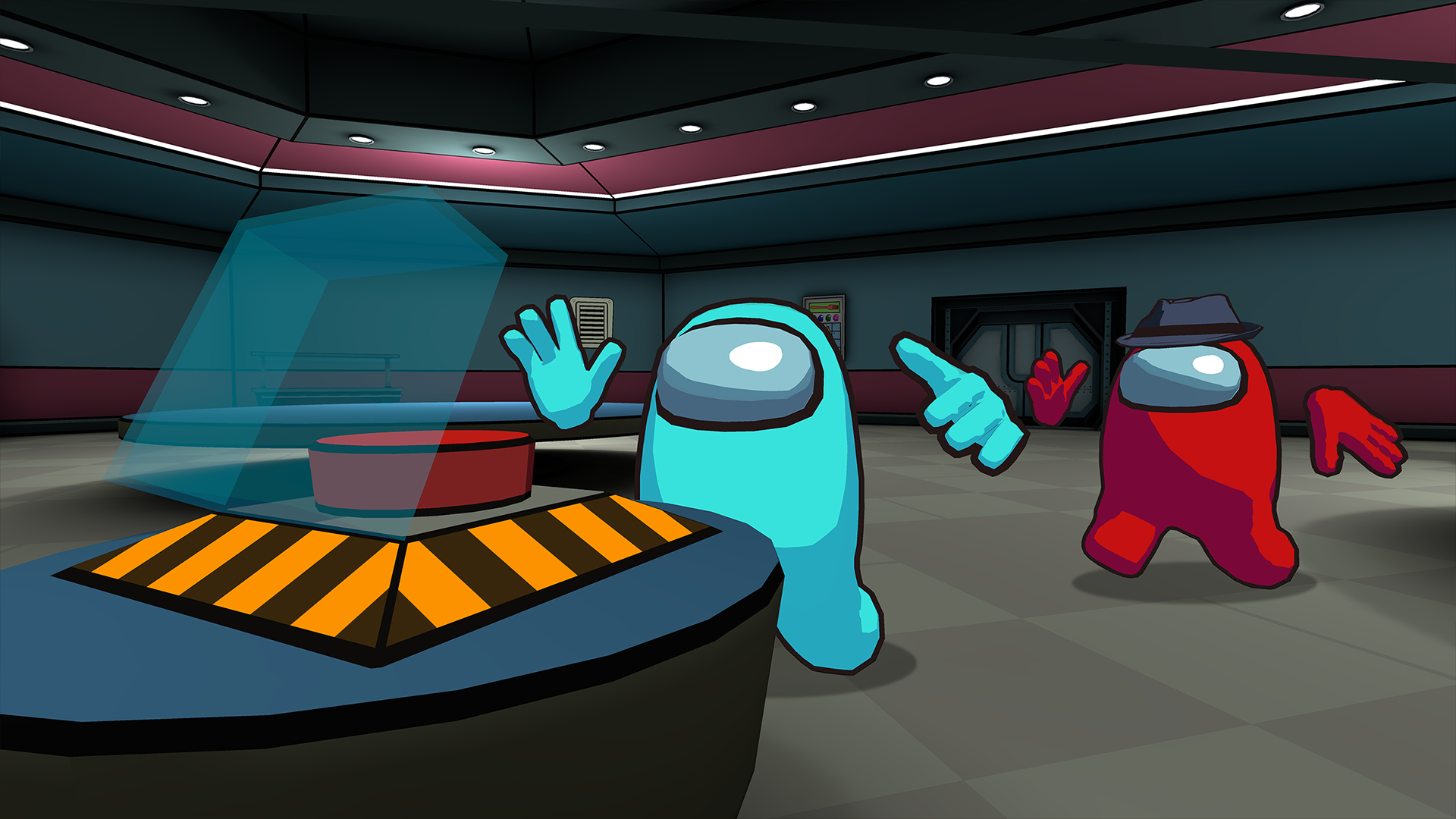
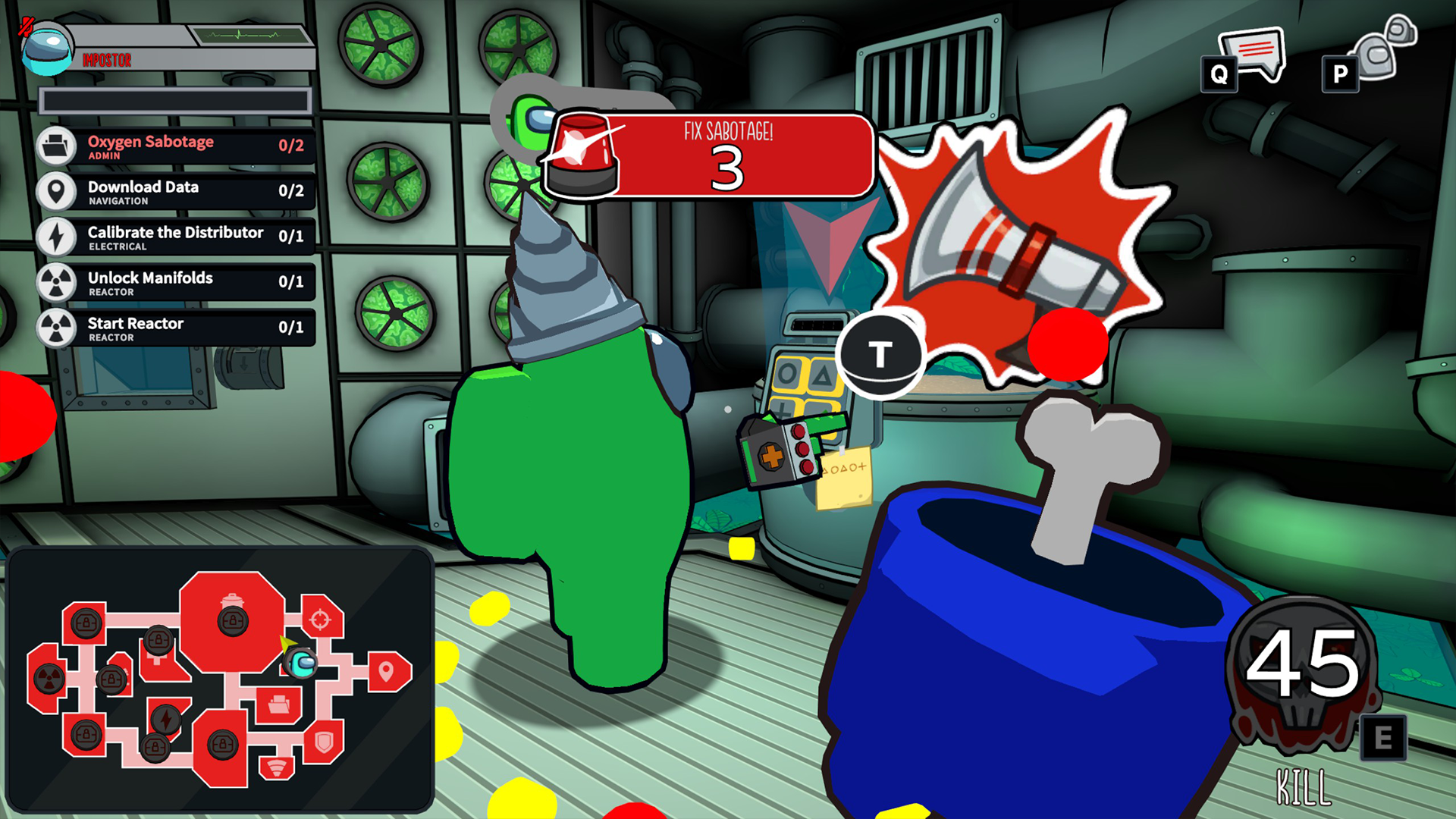
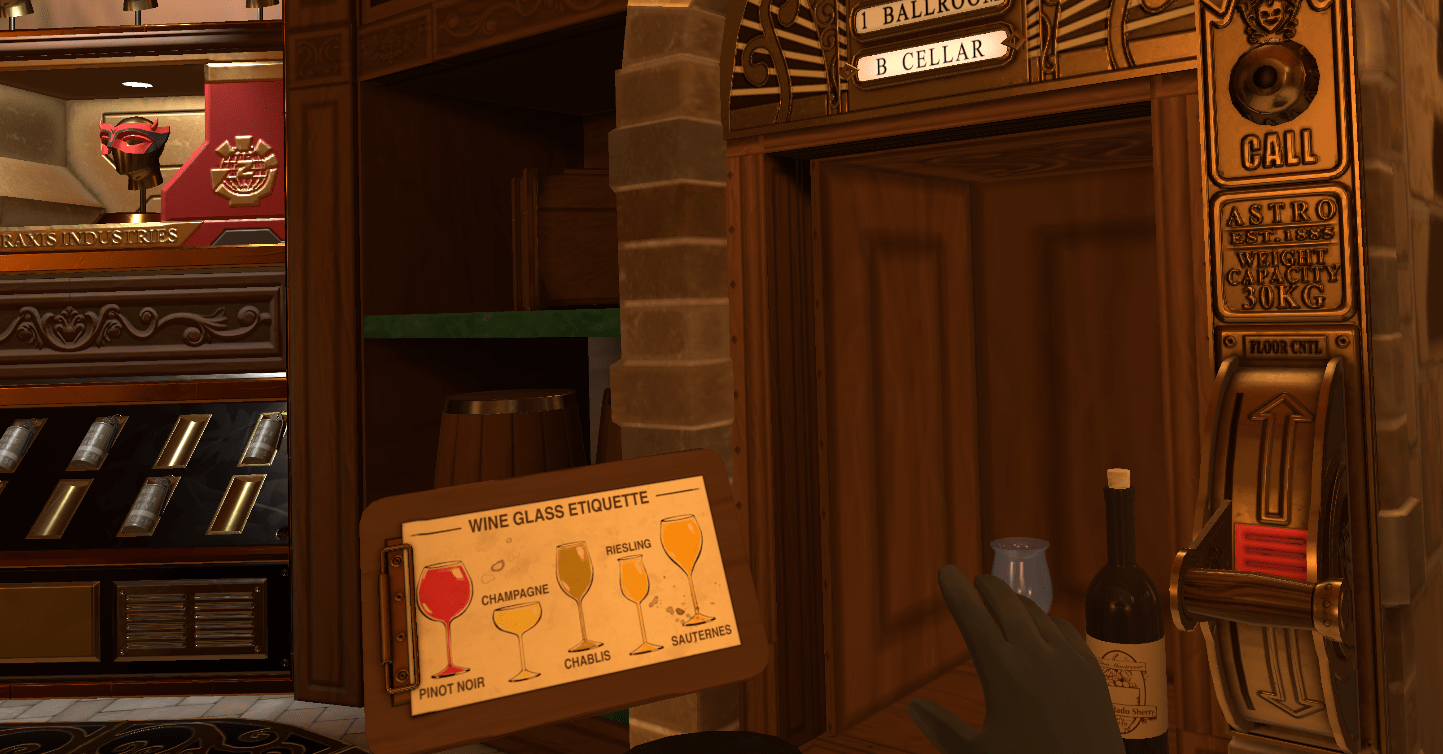
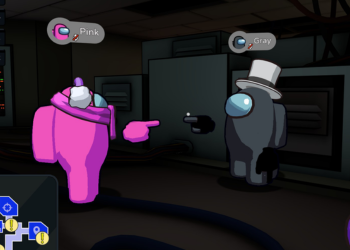
Key Titles:Among Us VR (2022), I Expect You To Die 2 & 3 (2021–2023), Among Us 3D (2025)
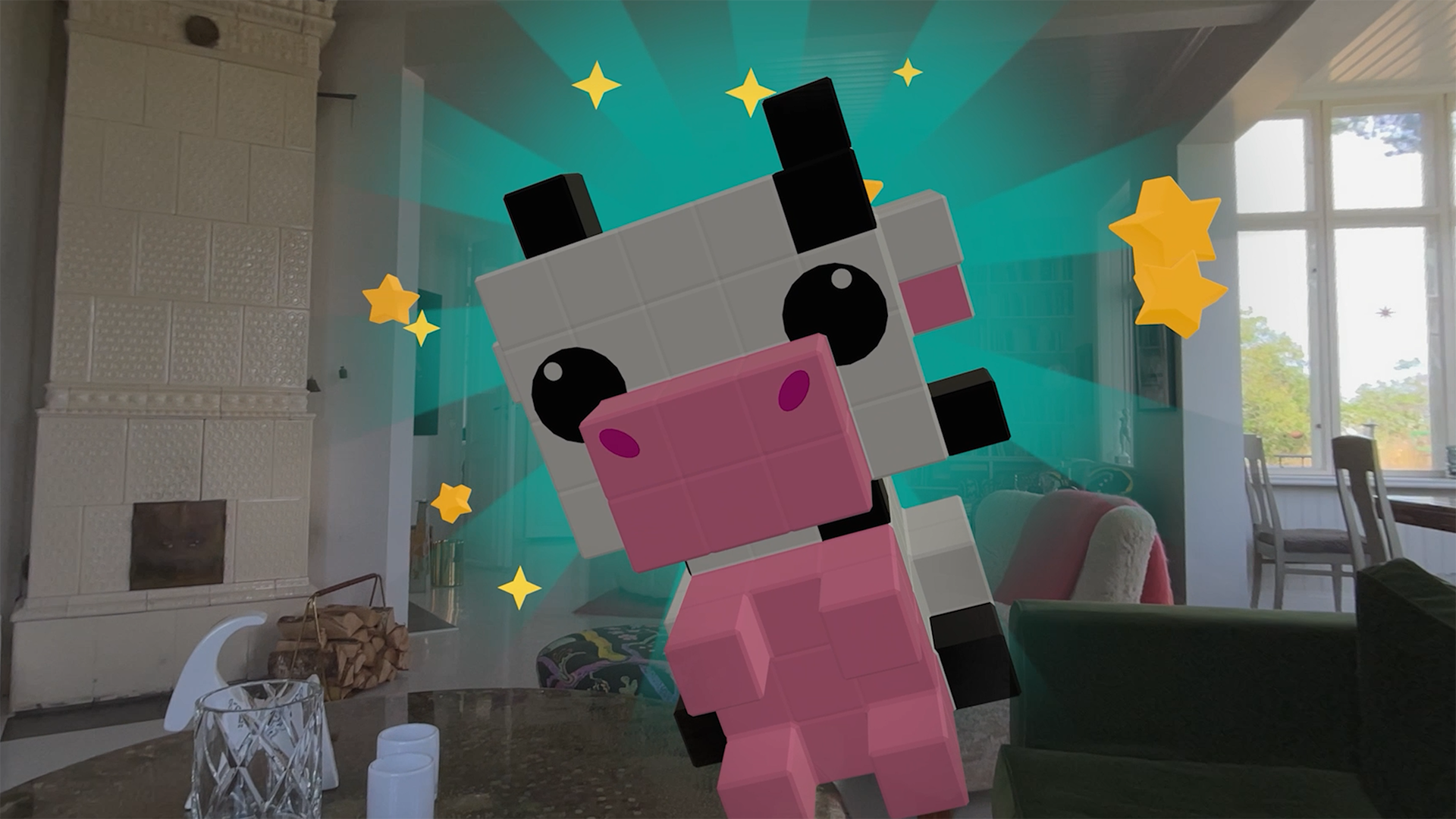
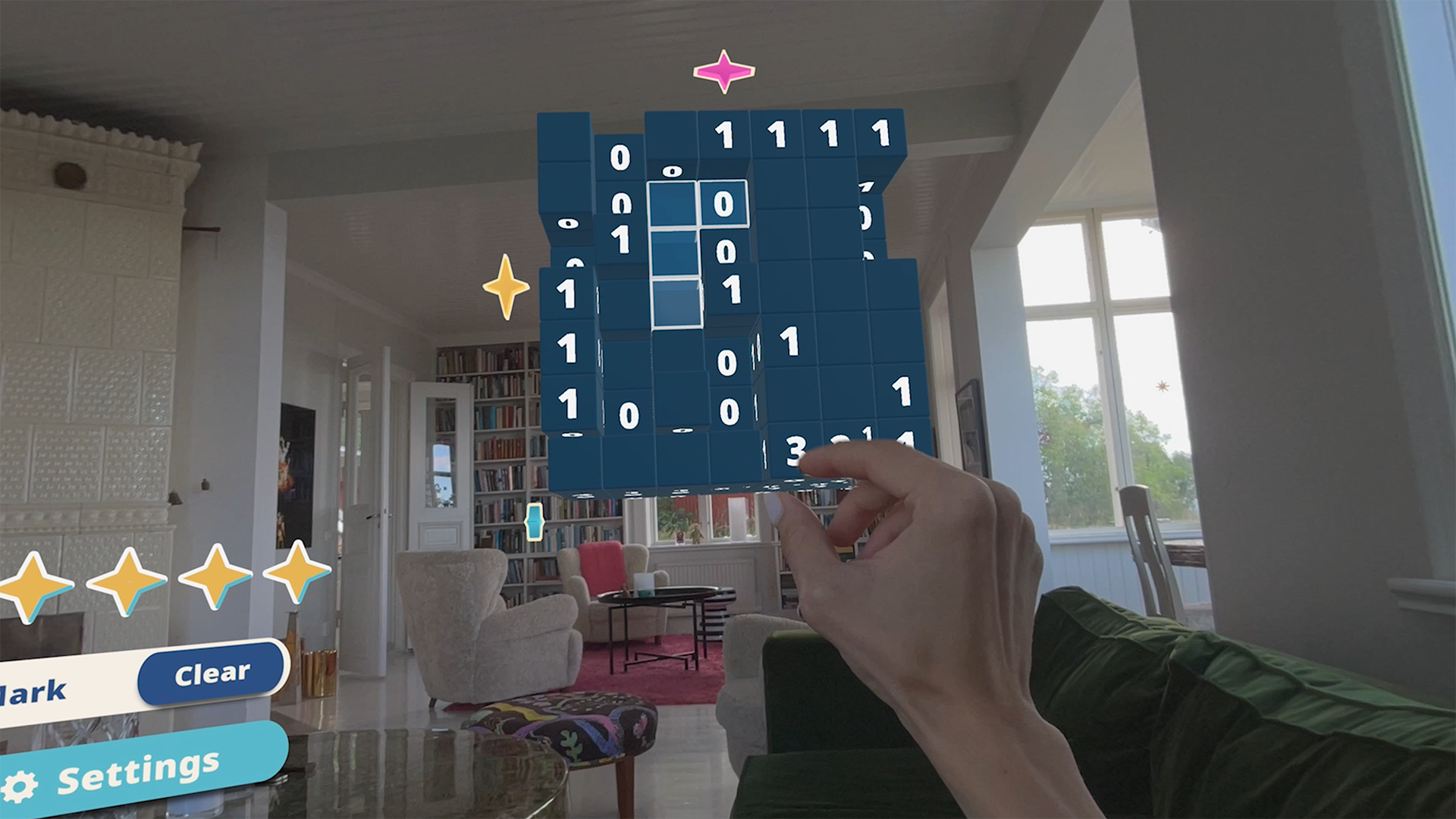
The Vibe: Masterful. Whether it’s the horror-tinged precision of Silent Slayer or the relaxing MR vibes of Puzzle Sculpt on the Apple Vision Pro, the studio is now operating at the peak of their craft.
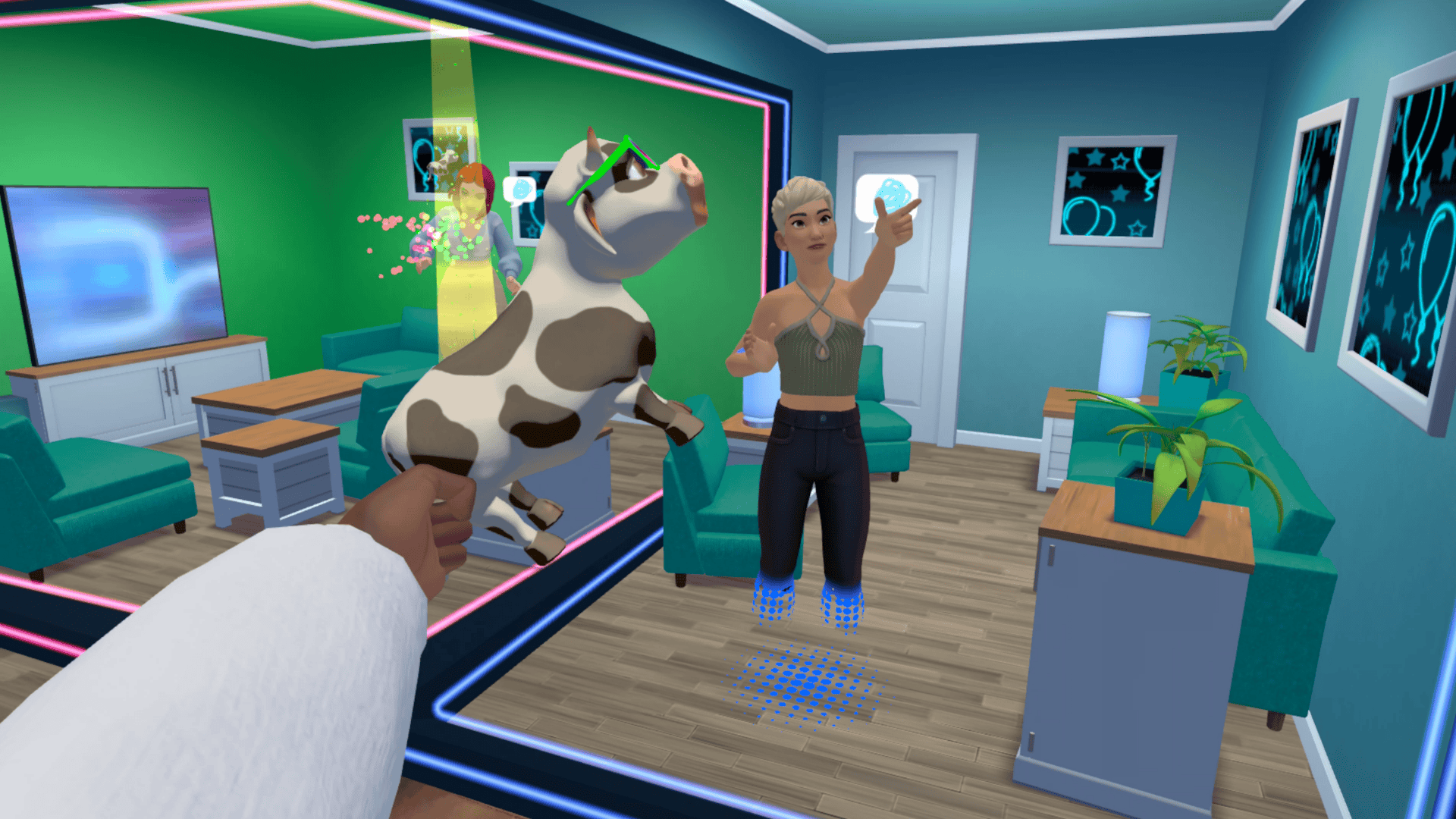
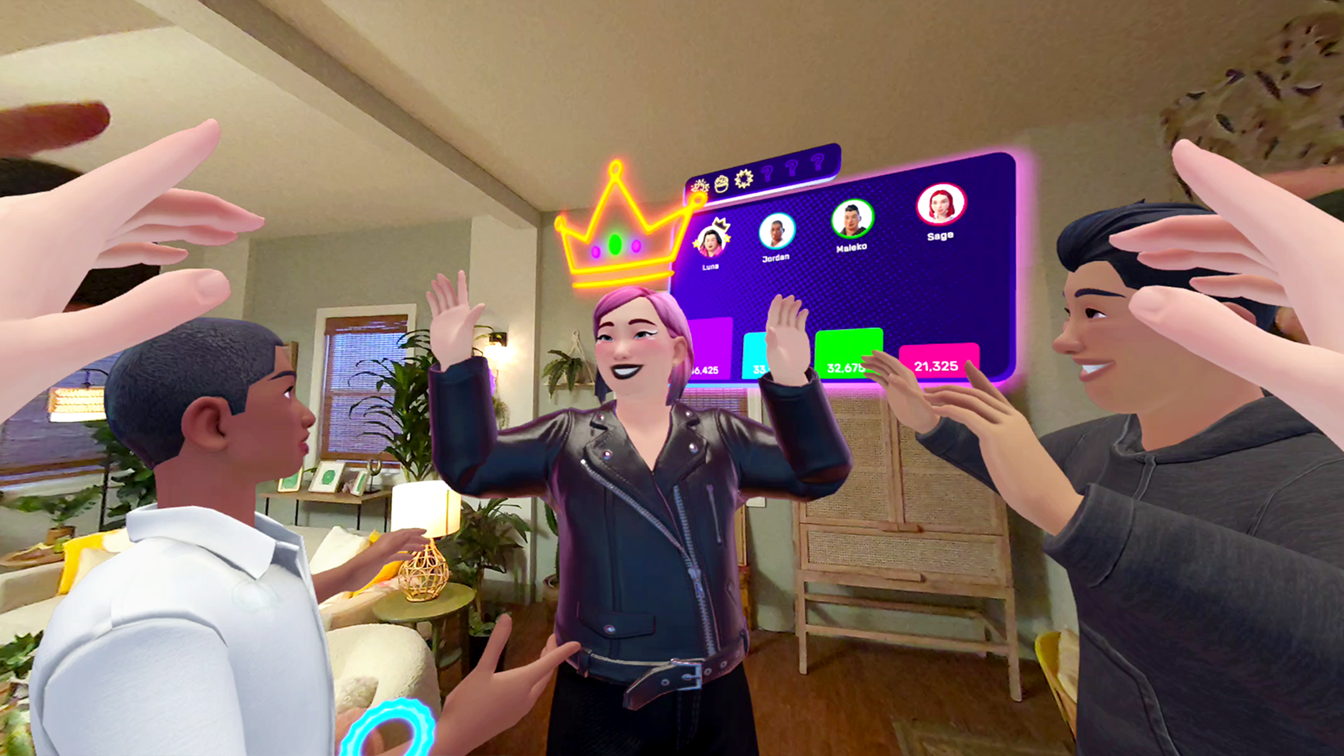
Innovation: They are currently leading the charge in Mixed Reality (MR), blending the digital and physical worlds in ways that feel intuitive rather than gimmicky.
The Lesson:The World is Your Game Board. The boundary between digital and physical is finally dissolving. The studio has moved from "taking you somewhere else" (VR) to "bringing the magic to you" (MR).
Schell Games, founded in 2002 by Jesse Schell, has evolved through four distinct technological eras to become a global leader in immersive and transformational entertainment. Starting with the MMO Foundation (2002–2010), the studio mastered social mechanics and "Indirect Control" through projects like Toontown Online. The Indie Experimentation (2011–2016) era introduced "Reflective AI" and connected play, blending physical toys with digital interfaces. The VR Pioneers (2016–2020) era redefined virtual reality with the seated-puzzle masterpiece I Expect You To Die, establishing the studio as "Puzzle Experts." Today, in the Modern Immersive Era (2021–2026), the studio scales massive IPs like Among Us VR and leads the industry in Mixed Reality (MR), transitioning from "taking players elsewhere" to "bringing magic into the home."
jesse schell
disney imagineering
meta
toontown online
pixie hollow
happy atoms
i expect you to die (IEYTD)
among us vr
experience is king
What is "Indirect Control" in the context of Era 1?
It is a design principle learned from Disney Imagineering where the environment guides the player without taking away their agency. In Toontown Online, this was used to create safe, engaging social behaviors in thousands of young players without heavy-handed moderation.
How did Schell Games solve the "VR Motion Sickness" problem in 2016?
By pioneering "Seated VR." In I Expect You To Die, the player is physically stationary (often "tied to a chair"), which aligns the inner ear with the visual horizon. This allowed for high-intensity puzzles without the physical discomfort often associated with early VR locomotion.
What is "Reflective AI"?
Introduced in the Indie Experimentation era with Mo the Monster, this used a mirror over an iPad camera to allow the software to "see" physical drawings on a table. This created a bridge where digital characters could interact with real-world objects.
How does the "Modern Era" differ from the "VR Pioneers" era?
While the Pioneer era was about proving VR worked, the Modern Era (2021–2026) is about Mixed Reality (MR) and scale. Using "Passthrough" technology (on headsets like the Quest 3 or Vision Pro), the studio now blends digital gameplay directly into the player's physical living room.
What are "Transformational Games"?
These are games designed to change the player for the better—whether by teaching chemistry (HoloLAB Champions), history (HistoryMaker VR), or improving physical fitness (Until You Fall).