![]()
![]()
![]()
![]()
- Expansion - We’d like to expand the game to allow four players to battle against each other. It could be total madness, but sometimes total madness is a lot of fun.
- Online Gameplay - The game is fun even when two players are sharing one computer to play it, but it’s certainly not an ideal situation. Once we feel that the core gameplay mechanics are solid, we’d like to work on online multiplayer options.
- Tutorial AI levels - We want to further mitigate newbie frustrations by having an option of learning the basics in a series of matches against a computer player.
- Player Co-op Mode vs AI - If we go through all the trouble to making an AI, why not play against it beyond the tutorials?
- Victory conditions - In its current form, the game ends when one side is completely wiped out, but other victory conditions could make things even more interesting (and require a change of tactics, which is what this game is all about). What if each party had a leader who had to be protected? What about king of the hill matches? Or a match timer and sudden death mechanics?
- Dynamic environments - What if casting an ice spell on a body of water caused it to freeze over? What if striking a tree with a lightning bolt could knock it down, creating a (potentially flaming) obstacle and crushing those who are beneath it as it falls? What if casting a fireball into a field of dry grass could start a brushfire that would continue to burn and spread?
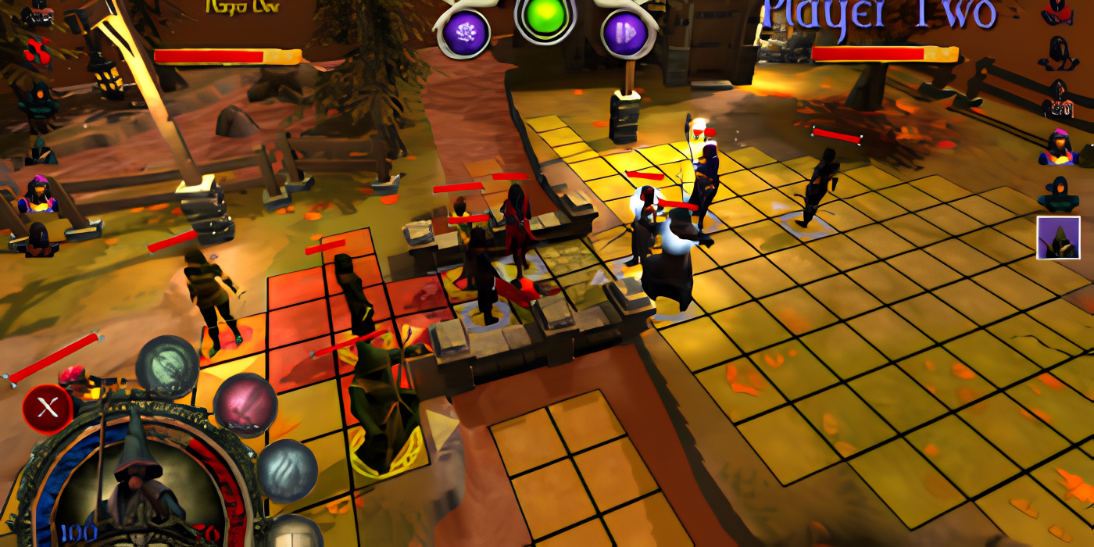
The article tracks the journey of Loreisle, a multiplayer turn-based tactical game born out of a desire to revive the psychological friction of classic single-player PlayStation-era strategy RPGs like Final Fantasy Tactics and Vandal Hearts. After an early, failed independent attempt using the Irrlicht Engine—where the developers fell into the common pitfall of focusing on graphical shaders over core game loop design—Braun successfully built a functional prototype at Schell Games using Unity. To maximize development efficiency under tight Game Jam time limits, the team stripped away standard narrative and progression systems, designing the title instead as a self-contained, high-stakes digital board game. The post details the mechanical balance challenges of a map-dependent tactical game, technical asset integration hurdles, and design methodologies centered around high-consequence player mistakes.
- Game Jam rapid-prototyping
- Turn-based tactical grid design
- Mechanical balancing methodologies
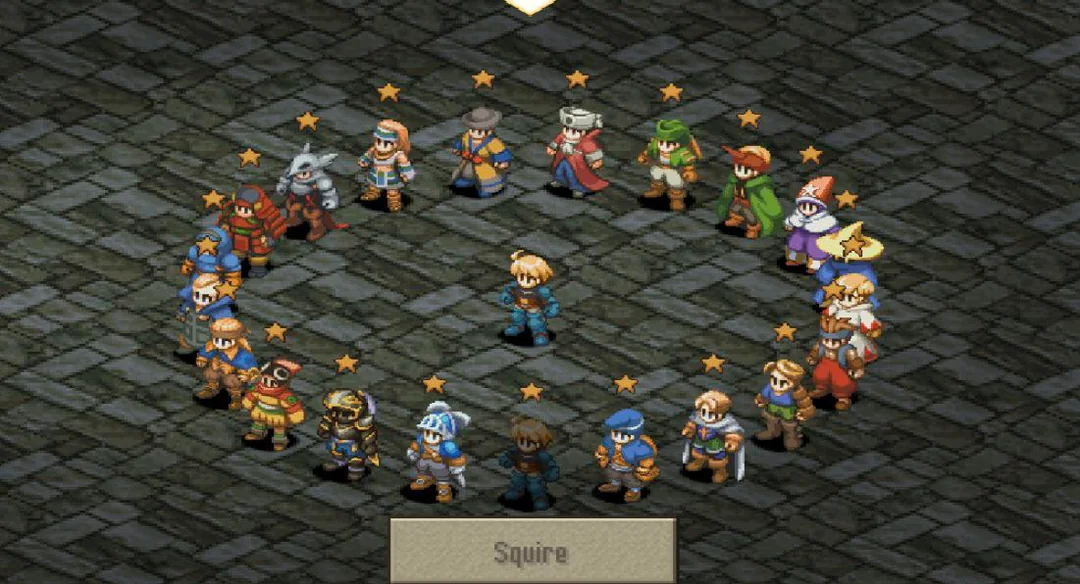
- Final Fantasy Tactics
- Vandal Hearts
- Stratego
- Chess design principles
- Unity Asset Store integration
- Path-finding automation
- Spatial targeting boundaries.
- What design pitfall caused the author's initial independent prototype of this game to fail?
- Years before bringing the project to Schell Games, the author attempted to build it using the Irrlicht Engine. The prototype failed because the development team succumbed to feature creep and visual bias—spending the majority of their time programming graphical shaders to make the game look impressive rather than executing and testing the gameplay loops to ensure it actually felt satisfying to play.
- How did the team bypass their lack of a dedicated artist and designer during the Game Jam week?
- To circumvent the absolute absence of an art department during the short development window, the team sourced, purchased, and integrated ready-made 3D models and character animations directly from the Unity Asset Store. To solve the lack of a designer, balancing was handled strictly through empirical intuition—relying on the developers' shared history with the strategy RPG genre—and continuous trial-and-error playtesting.
- What algorithmic challenges arose when designing the path-finding for Loreisle?
- The engineering team had to build a fast path-finding algorithm capable of dynamically differentiating between environmental line-of-sight and physical boundaries. The script had to allow physical terrain hazards (like mountains or walls) to block character walking paths and absorb arrows, while simultaneously allowing certain magical spells to pass through or bypass those obstacles entirely.
- What future "Dynamic Environment" mechanics did the team map out for later updates?
- The future scope blueprint focused heavily on cause-and-effect elemental interactions within the levels:
Casting ice magic onto water tiles to freeze them into navigable pathways.
Striking trees with lightning to create falling, burning roadblocks that crush units underneath.
Firing flame spells into dry grass to trigger a spreading, systemic brushfire that damages anything in its path.