


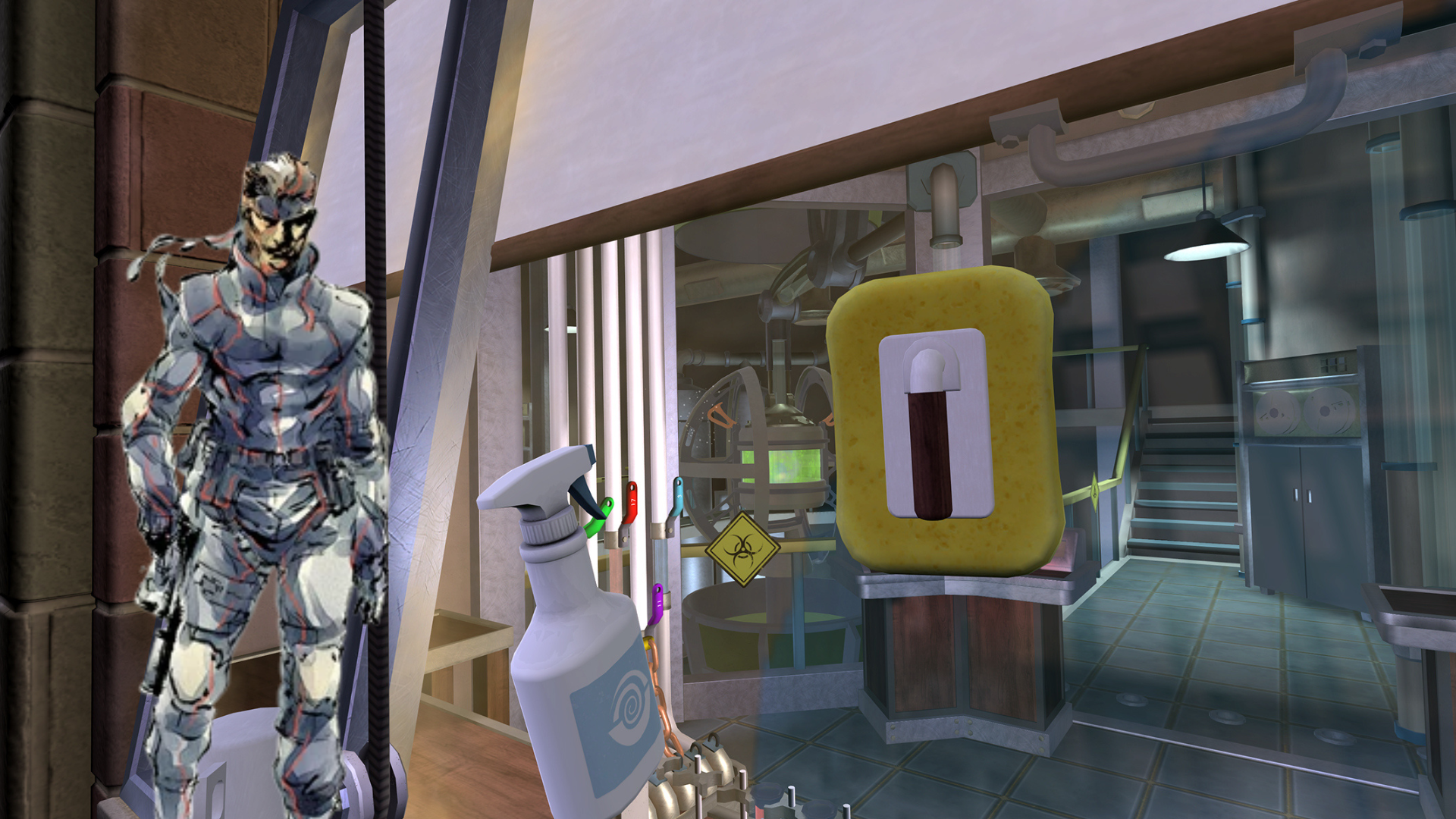
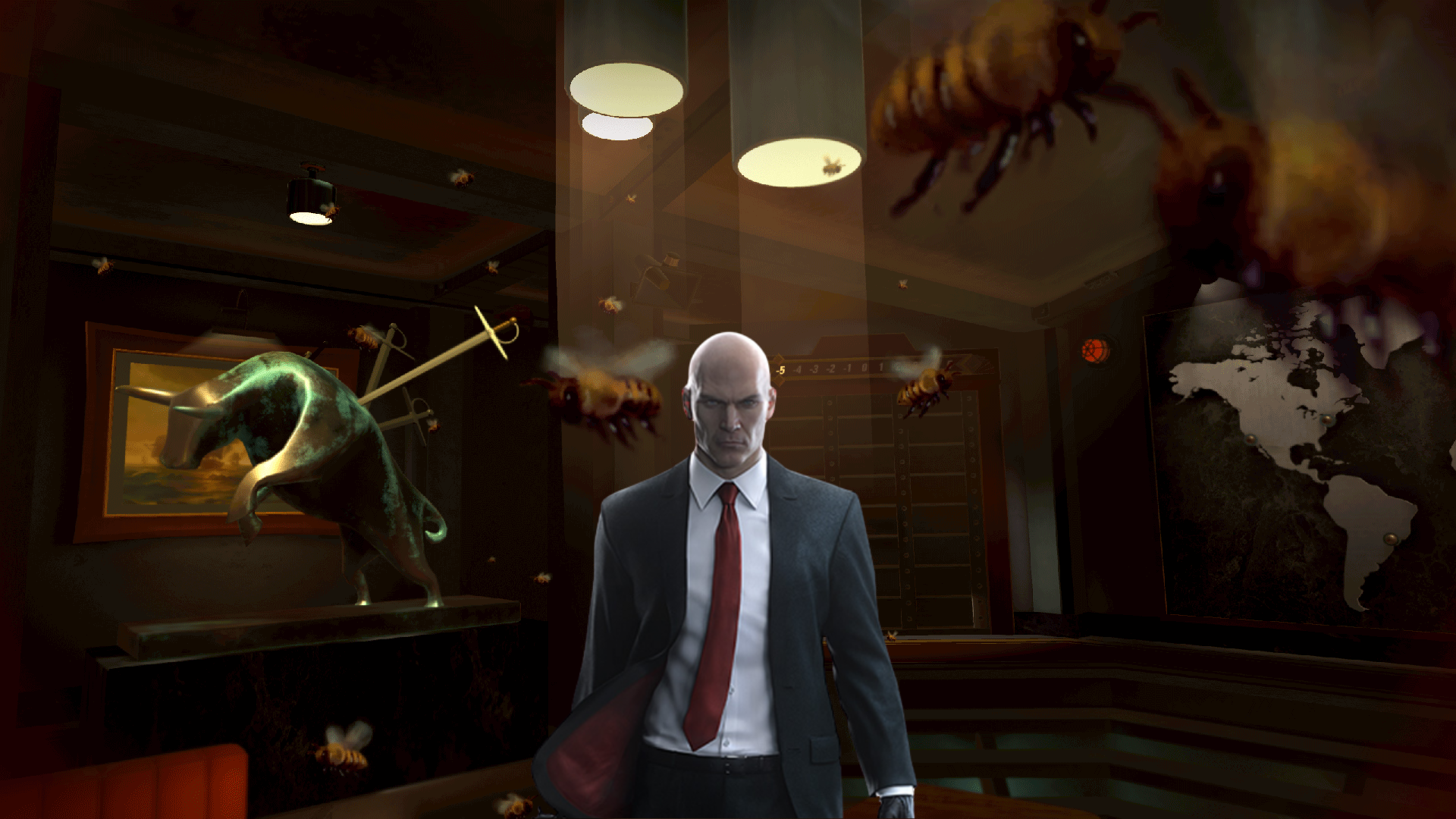
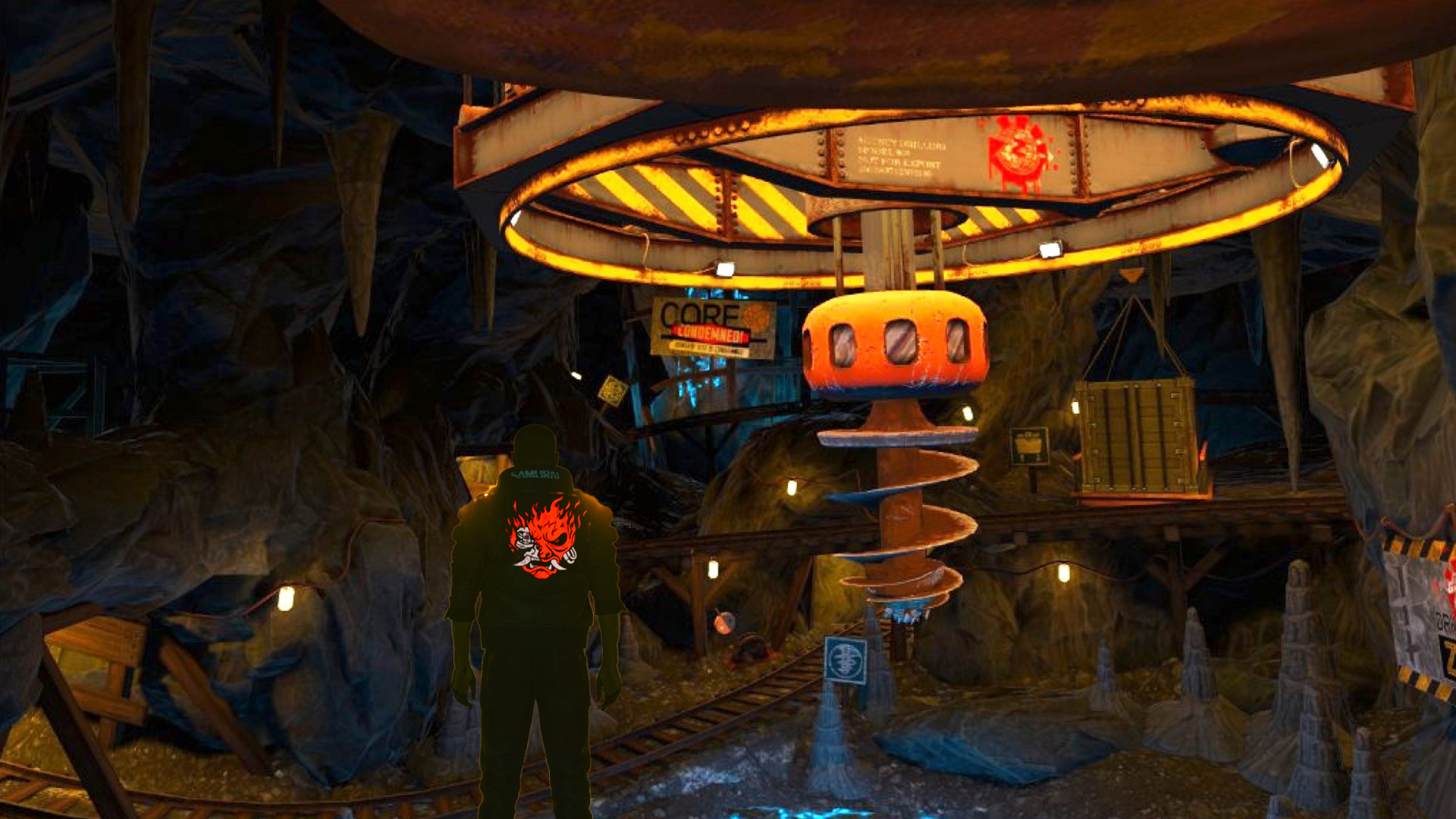

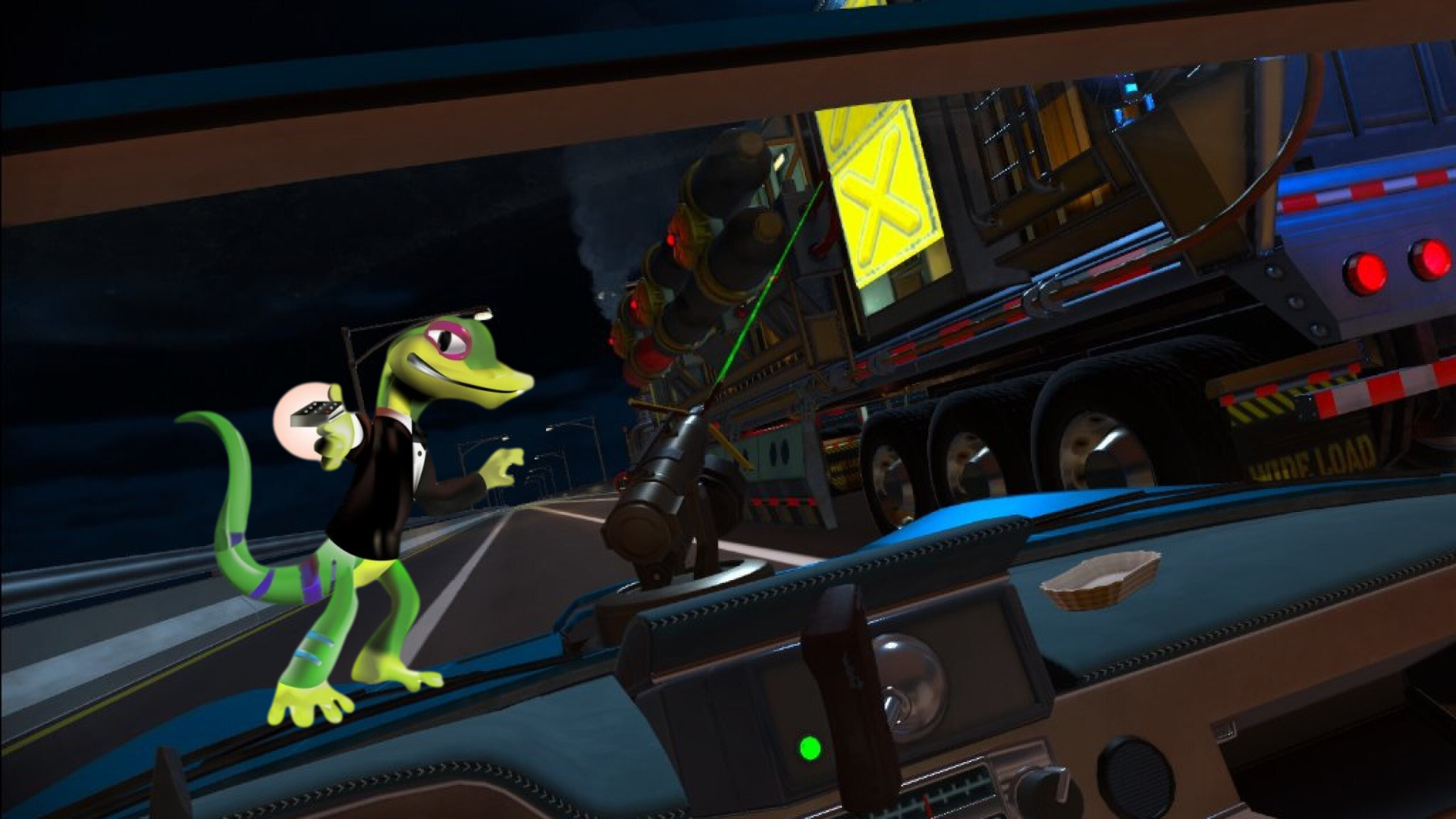
This June 2026 insights article addresses a core game design philosophy of the I Expect You To Die franchise: subverting standard video game power fantasies. While traditional gaming spies—ranging from Metal Gear Solid's Solid Snake to Hitman's Agent 47—rely on active escalation, physical combat, and digital shortcuts to control chaos, the post argues they would fail immediately within the ruthlessly analog death traps engineered by the Zoraxis Corporation. By evaluating nine distinct gaming protagonists across tailored IEYTD levels, the author highlights their fatal structural flaws, such as Solid Snake trying to put a sleeper hold on a chemical fire or Cyberpunk's V attempting to upload quickhacks to a clockwork 1960s gear grid. The piece concludes that the series' protagonist, Agent Phoenix, stands as the ultimate gaming spy due to an unmatched mechanical trait: the analytical patience to methodically think through a Rube Goldberg machine of doom while actively suffocating in a room filling with poison gas.
- I Expect You To Die 2
- I Expect You To Die 3
- Schell Games
- Metal Gear Solid
- GoldenEye 007
- Hitman
- Cyberpunk 2077
- Perfect Dark
- No One Lives Forever
- Spy Fox
- Team Fortress 2
- Gex
- Over-escalation
- cartoon logic dependency
- social engineering limitations
- digital-shortcut reliance
- What is the core thesis behind why Agent Phoenix succeeds where other gaming legends fail?
- The blog defines standard gaming spies as "creatures of escalation." If sneaking fails, they shoot; if a gadget fails, they punch. In contrast, Agent Phoenix survives because they lack physical escalation mechanics entirely. Bound to a seated position, Phoenix relies strictly on extreme patience and lateral thinking—such as utilizing a simple dining cloche to reflect a weaponized laser grid—proving that intellect beats brute force in a room filling with gas.
- Why does the author choose "Operation: Eaves Drop" to break Cate Archer from No One Lives Forever?
- Cate Archer is armed with magnificent 1960s spy-fi gadgets like explosive lipsticks and corrosive hairsprays. However, the biometric fabricator puzzle in IEYTD 2 demands strict, multi-step mechanical sequence mapping to forge identity masks. Instead of carefully executing the puzzle, her historical gameplay loop dictates melting the console down with chemistry gear, which immediately triggers the vault's automated security wipe.
- How does the article use Team Fortress 2's Spy to highlight the difference between social and mechanical puzzles?
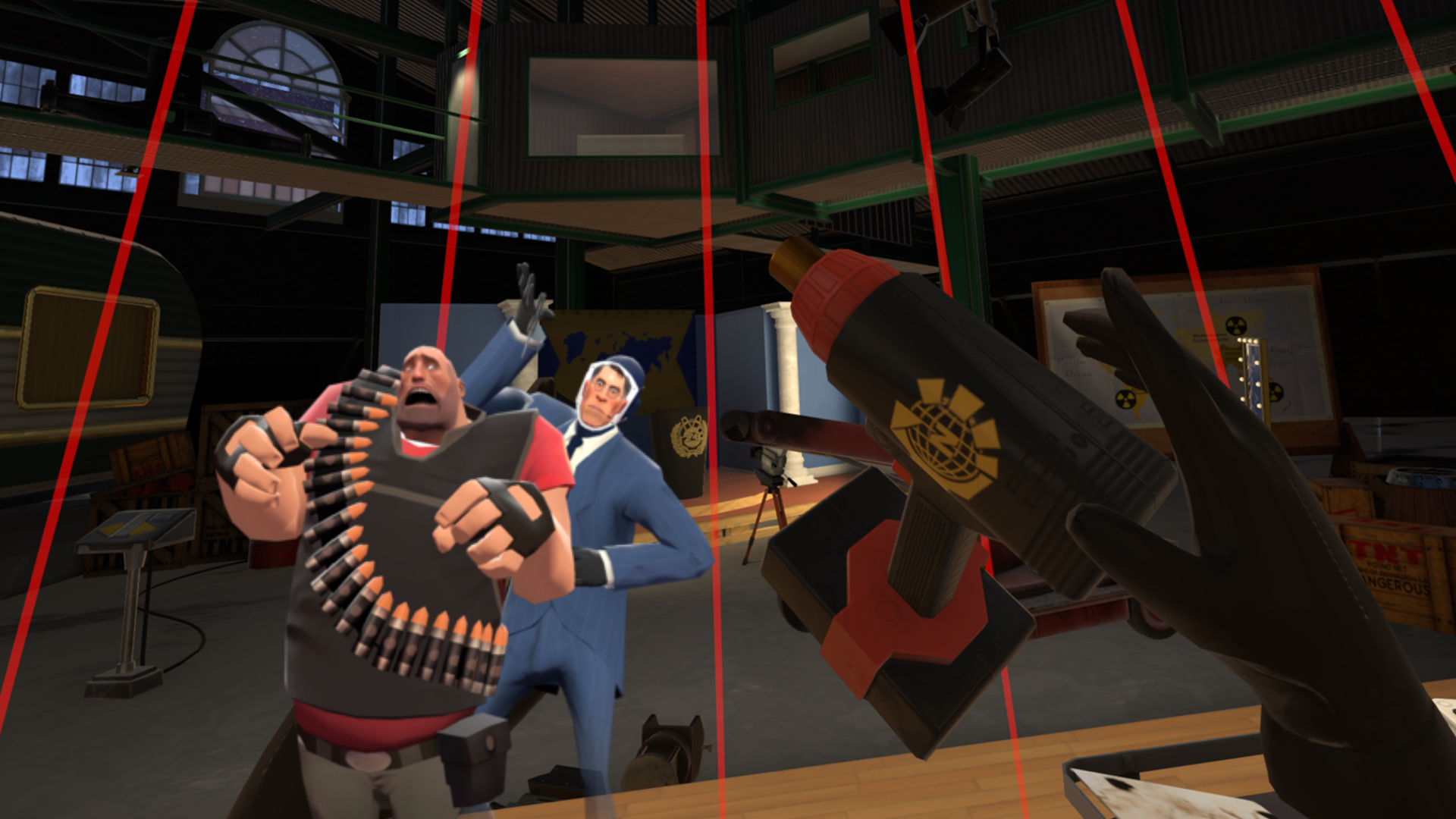
- The TF2 Spy is a master of human deception who utilizes paper masks and cloaking devices to trick active players. IEYTD's "Operation: Safe and Sound" features automated, uncaring defense logic. The post notes that the TF2 Spy would arrogantly slap a paper cutout of John Juniper over his face to fool the computer, forgetting that you cannot backstab a laser-guided missile.
- Why are the mechanics of Joanna Dark (Perfect Dark) and Gex deemed a liability in a Zoraxis sandbox?
- Both operatives suffer from extreme action over-escalation. Joanna Dark treats environmental puzzles as target practice, resulting in her firing rockets inside a delicate gondola and causing a structural collapse. Gex relies on 90s platformer physics; faced with a speeding vehicle dashboard filled with toggle switches and missile locks (Operation: Blind Spot), his instinct to tail-whip the gearshift immediately triggers an onboard defensive flamethrower.